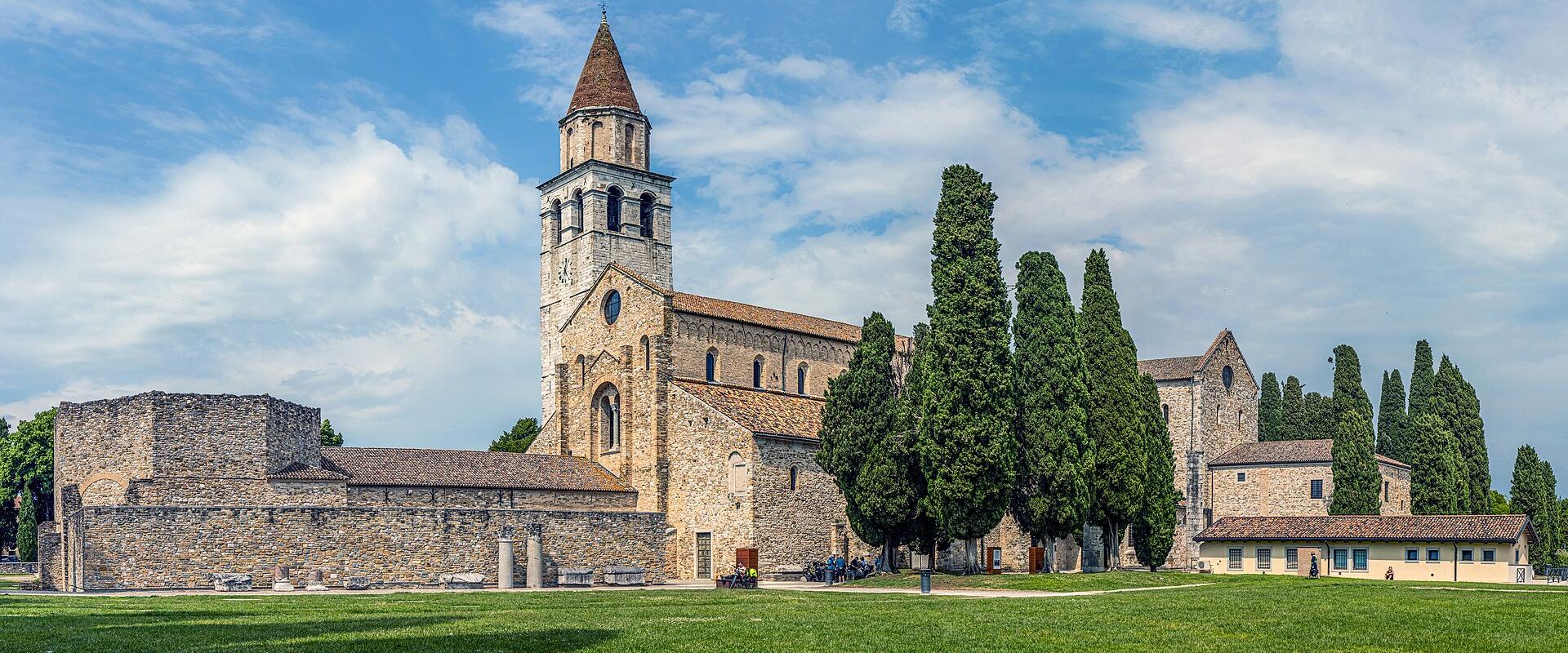
Aquileia
Ancient Roman city with UNESCO basilica and extensive archaeological ruins
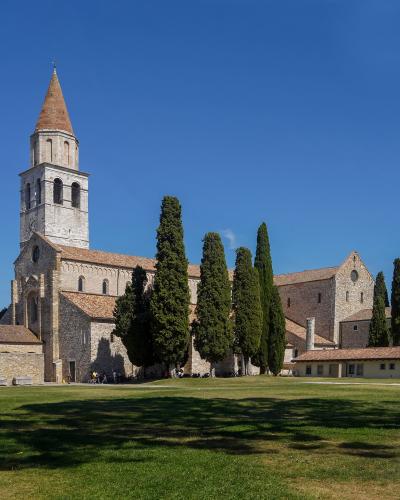
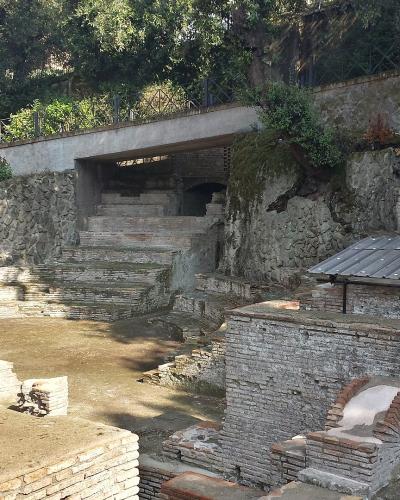
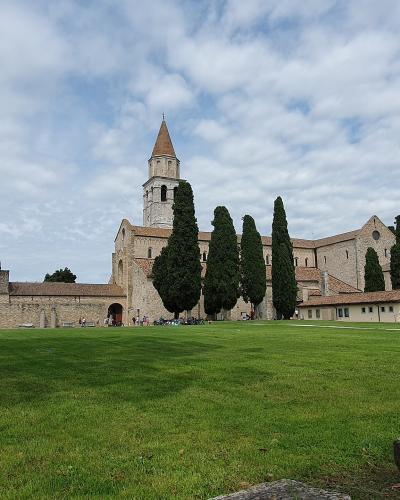
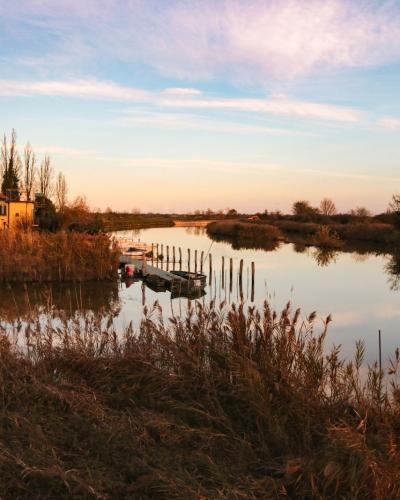
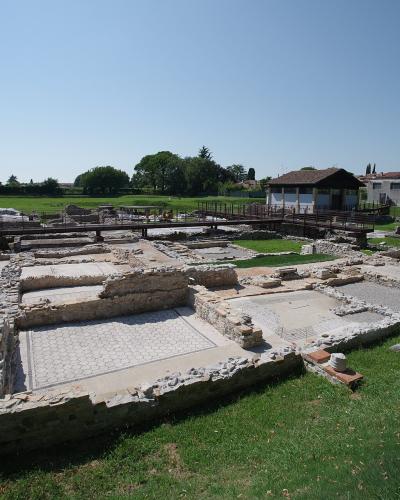
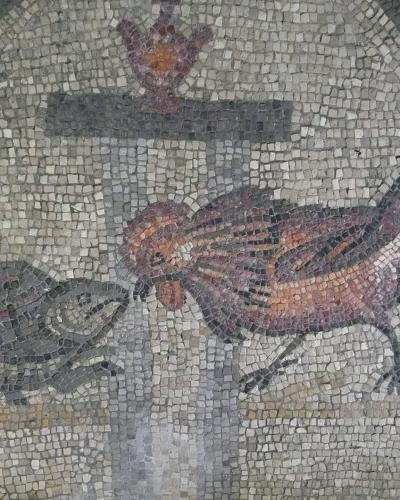
Aquileia, founded in 181 BC as a Roman colony, played a pivotal role in the expansion and administration of the Roman Empire. Located at the head of the Adriatic, it served as a crucial military and commercial hub, connecting Italy with the Balkans and the East. At its peak in the 2nd century AD, the city had a population of approximately 100,000, making it one of the largest cities in the empire. It was also a major center of early Christianity; the Bishop of Aquileia became the Patriarch, and the city was a key node in the spread of the faith across Europe. The city's decline began with invasions, notably by Attila the Hun in 452 AD, which led to the displacement of its population to the nearby lagoons, eventually contributing to the founding of Venice. Today, the Archaeological Area of Aquileia is one of the most important archaeological sites in the Mediterranean. The centerpiece is the Basilica of Santa Maria Assunta, built in the 5th century. Its interior is renowned for the largest early Christian mosaic floor in the world, covering 700 square meters and depicting geometric patterns, animals, and scenes from the New Testament. The basilica also houses the Pala d'Oro, a golden altarpiece, and the Baptistery, which features its own mosaic floor. The archaeological park includes the remains of the Roman Forum, the Capitolium, and several public baths. One of the highlights is the Villa of the Mosaics, a luxurious Roman residence with exceptionally preserved floors depicting mythological scenes. The Patriarch's Palace, adjacent to the basilica, now houses the National Archaeological Museum, which displays artifacts found in the area, including inscriptions, sculptures, and everyday objects that illustrate life in Roman Aquileia. Activities in Aquileia are primarily focused on historical and cultural exploration. Visitors can take guided tours of the archaeological site, visit the museum, and climb the bell tower of the basilica for panoramic views of the surrounding plain and the nearby lagoon. The town is also a gateway to the Friuli wine region and the nearby Grado lagoon. Getting to Aquileia is straightforward via car or train. The nearest major city is Udine, from which Aquileia is approximately 20 kilometers away. The A4 motorway provides easy access from Venice and Trieste. Public buses connect Aquileia to Udine and other nearby towns. The best time to visit Aquileia is from April to June and September to October. During these months, the weather is mild and pleasant, ideal for walking through the extensive archaeological site. Summer can be hot and humid, while winter is cool and sometimes foggy, typical of the Po Valley. Spring offers blooming landscapes, and autumn provides clear skies and harvest festivals in the surrounding countryside.
Best Time to Visit
Visit in April to June or September to October for mild weather and fewer crowds.
Did you know?
Interesting, verified facts about Aquileia
Aquileia Has a Distinct Local Story
HistoryAquileia is a historic comune in the Friuli-Venezia Giulia region of northeastern Italy, situated near the head of the Adriatic Sea.
Source: Aquileia - WikipediaAquileia Has Another Verifiable Detail
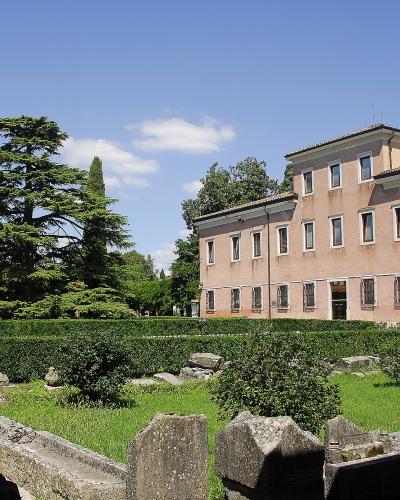
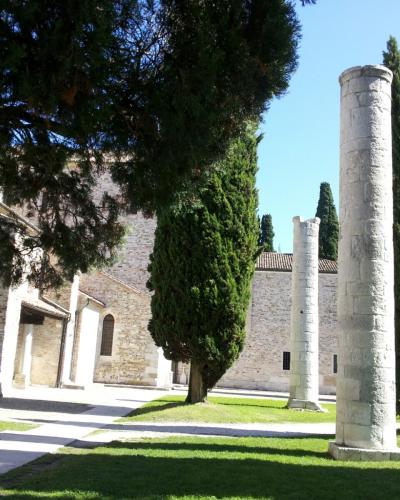
HistoryThe atmosphere is one of profound historical depth, where the ruins of forums, baths, and villas lie adjacent to the magnificent Basilica of Santa Maria Assunta.
Source: Aquileia - WikipediaAquileia Keeps Roman-Era Traces
RecordOnce one of the largest and most wealthy cities of the Early Roman Empire, it now serves as a quiet modern town built upon layers of ancient history.
Source: Aquileia - WikipediaPlan Your Visit to Aquileia
Essential travel tips and information for your trip to Aquileia.
Suggested Itineraries
Travel Tips
Currency
EUR • Cards widely accepted
Language
Italian • English in tourist areas
WiFi
Free WiFi in cafes and hotels
Explore Aquileia by Interest
Discover attractions and experiences in Aquileia organized by your interests and travel preferences.

All attractions in Aquileia
Sorted by our recommendation score
Quick Facts
Book your stay
Frequently Asked Questions
More destinations in Friuli Venezia Giulia
Explore other amazing places in the Friuli Venezia Giulia region