
Grado
Historic Adriatic island town with Roman ruins and sandy beaches
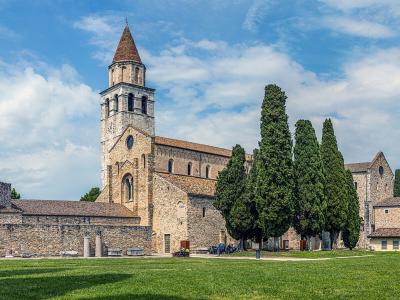
Grado’s history dates back to Roman times, when it was known as Gradus and served as a strategic port and military base. The town flourished during the Roman Empire, leaving behind significant archaeological remains, including the Basilica of Euphrasius, a 6th-century UNESCO World Heritage Site with stunning mosaics. After the fall of the Roman Empire, Grado became the seat of the Bishop of Aquileia and a center of religious and political power in the region. During the Middle Ages, the town was contested by various powers, including the Republic of Venice, which eventually incorporated Grado into its domain. This period saw the construction of defensive walls and towers to protect against pirate attacks. In the 19th and 20th centuries, Grado transformed from a fishing village into a major tourist destination, known for its mild climate and therapeutic mud baths. Today, the town preserves its historic center, with narrow streets, Romanesque churches, and the iconic lighthouse, reflecting its layered past as a Roman port, medieval bishopric, and modern spa town.
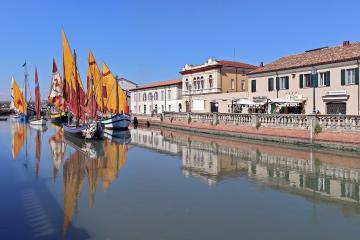
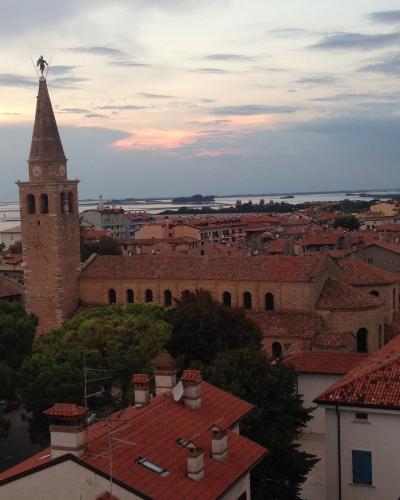
The main attractions in Grado are centered around its historic center and coastal amenities. The Basilica of Euphrasius is the most significant landmark, featuring a tri-apsidal design and intricate mosaics that depict biblical scenes. The Cathedral of Santa Eufemia, located on the island, is another notable religious site with a bell tower offering panoramic views. The Roman Archaeological Park, situated near the lighthouse, showcases excavated Roman villas and mosaics. The historic center is a pedestrian-friendly area with narrow streets, artisan shops, and cafes. The Lighthouse of Grado, built in the 19th century, is a symbol of the town and offers views of the Adriatic. The surrounding beaches are extensive and well-maintained, with shallow waters ideal for swimming and sunbathing. The town also offers access to the nearby Grado Lagoon, a protected nature reserve rich in birdlife.
Activities in Grado include exploring the historic sites, visiting the beaches, and enjoying the local cuisine. The town is known for its fresh seafood dishes, including local fish and shellfish, as well as traditional Friulian cuisine. Visitors can take guided tours to learn about the town’s Roman and medieval history. The surrounding area offers opportunities for cycling and walking, with numerous bike paths connecting the island to the mainland. Grado also hosts various festivals and events throughout the year, including the Grado Jazz Festival and the Feast of Santa Eufemia. Shopping includes local ceramics, textiles, and food products. For those interested in history, guided tours are available to explore the Roman ruins and the Basilica of Euphrasius.
Getting to Grado is convenient via road. The town is accessible by car from Trieste, approximately 30 kilometers away, via the SS14 road. Grado does not have a railway station; the nearest stations are in Monfalcone and Trieste, with bus connections to Grado. For those traveling by air, the nearest airports are Trieste Airport and Venice Marco Polo Airport. The best time to visit Grado is from May to June or September to October, when the weather is warm and pleasant, ideal for beach activities and sightseeing. July and August are peak tourist months, with higher temperatures and larger crowds. Winter is mild but can be windy. Despite the seasonal variations, Grado’s rich history and beautiful coastline make it a rewarding destination year-round.
Best Time to Visit
Visit between May and June or September and October for warm weather and fewer crowds.
Did you know?
Interesting, verified facts about Grado
Grado Has a Distinct Local Story
HistoryGrado is a historic town in the Friuli-Venezia Giulia region of northeastern Italy, located on an island and adjacent peninsula in the Adriatic Sea between Venice and Trieste.
Source: Adriatic SeaGrado Keeps Roman-Era Traces
HistoryIt serves as a premier tourism destination where Roman antiquity meets the gentle rhythm of coastal life.
Source: Grado, Friuli Venezia Giulia — GrokipediaGrado Preserves Medieval Heritage
HistoryThe town is renowned for its extensive sandy beaches, shallow waters, and well-preserved historic center, which includes Roman ruins and medieval architecture.
Source: Grado, Friuli Venezia Giulia - WikipediaGrado Has Another Verifiable Detail
HistoryGrado offers a distinct atmosphere of tranquility and family-friendly relaxation, characterized by its lack of heavy traffic in the old town, numerous bike paths, and a strong tradition of wellness and spa tourism.
Source: What is the difference between Old Town and Ban Heavy Traffic policies ...Plan Your Visit to Grado
Essential travel tips and information for your trip to Grado.
Suggested Itineraries
Grado Weekend Getaway
2 days2-day Grado itinerary: historic center, beaches, and lagoons
View ItineraryTravel Tips
Currency
EUR • Cards widely accepted
Language
Italian • English in tourist areas
WiFi
Free WiFi in cafes and hotels
Explore Grado by Interest
Discover attractions and experiences in Grado organized by your interests and travel preferences.

All attractions in Grado
Sorted by our recommendation score
Quick Facts
Book your stay
Frequently Asked Questions
More destinations in Friuli Venezia Giulia
Explore other amazing places in the Friuli Venezia Giulia region