
Udine
Venetian-style historic city in Friuli with elegant piazzas and castles
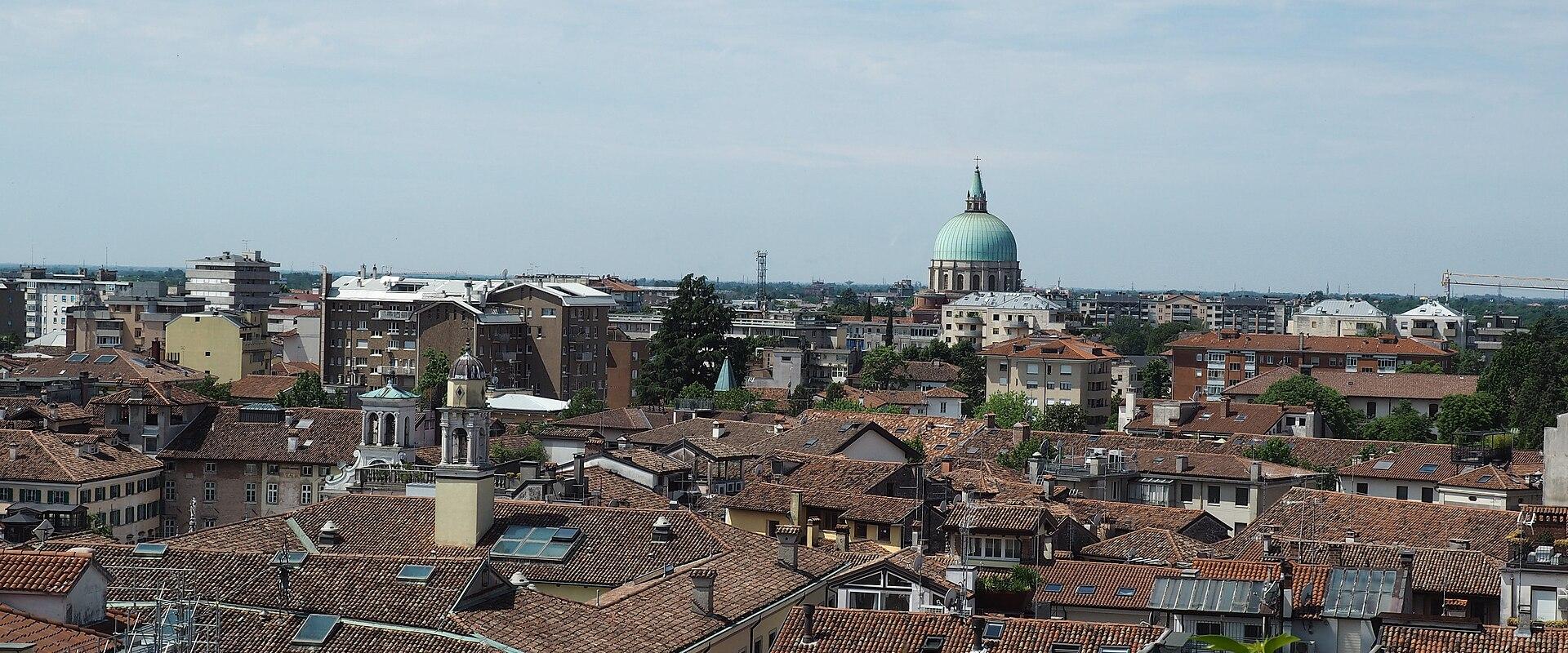
Udine's history is deeply intertwined with the political shifts of Northern Italy. Originally a settlement of the Carni, a Celtic tribe, the city was later influenced by the Romans. In the Middle Ages, Udine emerged as a powerful commune, often rivaling nearby Aquileia. The turning point in its history came in 1420 when it fell under the control of the Republic of Venice. This period, lasting nearly five centuries, profoundly shaped Udine's identity. The Venetians introduced their architectural style, administrative systems, and cultural norms, transforming Udine into a center of art and learning. The city became known for its palaces, churches, and public squares, many of which still stand today. After the fall of Venice in 1797, Udine passed through various hands, including Austrian and French rule, before joining the Kingdom of Italy in 1866. This complex history has left a unique cultural fingerprint, blending Italian, Venetian, and Central European influences.
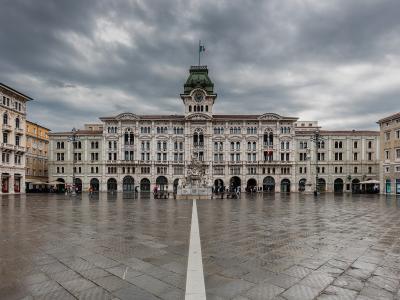
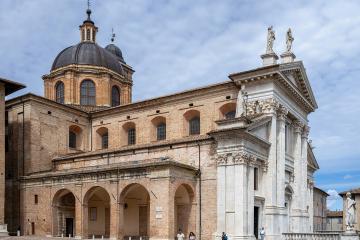
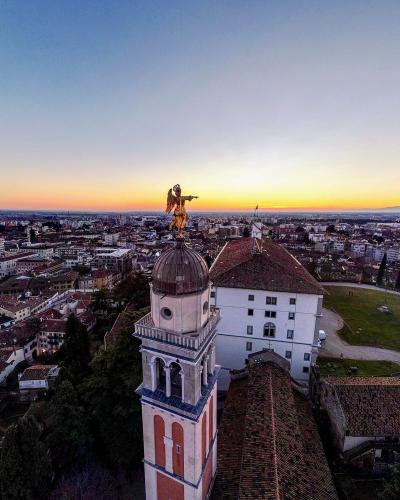
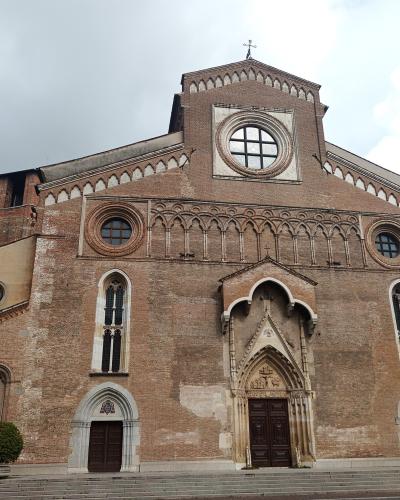
The main attractions in Udine are concentrated in its historic center, which is a masterpiece of Renaissance and Venetian architecture. The Piazza della Libertà is the heart of the city, dominated by the Lion of Saint Mark, a symbol of Venetian rule, and the Loggia del Lionello, a beautiful Gothic loggia designed by Antonio da Ponte. Nearby stands the Palazzo dei Provveditori, now housing the Civic Museum, which contains a rich collection of art and artifacts. The Udine Castle, perched on a hill overlooking the city, offers panoramic views and houses the Regional Gallery of Fine Arts, featuring works by Titian, Tintoretto, and other masters. The Cathedral of Udine, with its Romanesque and Baroque elements, is another key site, housing the tomb of Saint Francis of Paola. The city also boasts numerous elegant palaces, such as Palazzo Giraldi and Palazzo Brunod, which line the narrow streets of the old town.
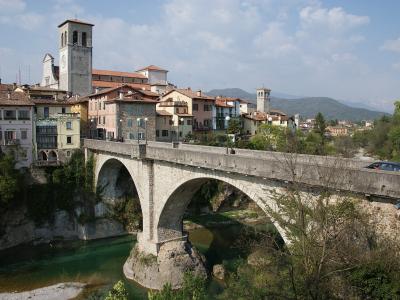
Activities in Udine range from cultural exploration to culinary experiences. Visitors can stroll through the pedestrianized center, admiring the architecture and visiting boutique shops. The city is a hub for wine tasting, with many enotecas offering local Friulian wines like Friulano and Ribolla Gialla. Food enthusiasts should try local specialties such as frico (a cheese and potato dish), prosciutto di San Daniele, and muset (a type of sausage). Udine is also a gateway to the Carnic Alps, making it a base for hiking, skiing, and mountain biking. Day trips to nearby towns like Cividale del Friuli, a UNESCO World Heritage site with Lombard heritage, or the coastal town of Grado, are popular options. The city also hosts various festivals and events throughout the year, celebrating its artistic and culinary traditions.
Getting to Udine is convenient via road and rail. The city is well-connected by the A4 motorway, linking it to Venice, Trieste, and Austria. Udine has a railway station with regular connections to major Italian cities like Milan, Rome, and Venice. For those traveling by air, the nearest international airports are in Venice, Trieste, and Ljubljana, Slovenia. The best time to visit Udine is from April to June or September to October, when the weather is mild and pleasant, ideal for exploring the city's outdoor attractions and historic sites. Summer can be hot, while winter is cold and rainy, with Udine being one of the rainiest cities in Italy. Despite the weather, the city's indoor attractions and cozy cafes provide a welcoming refuge year-round.
Best Time to Visit
Visit between April and June or September and October for mild temperatures and fewer crowds.
Did you know?
Interesting, verified facts about Udine
Udine Has Another Verifiable Detail
Notable PersonThe city is renowned for its elegant piazzas, including the Piazza della Libertà, which features the iconic Lion of Saint Mark and the Loggia del Lionello.
Source: Udine - WikipediaPlan Your Visit to Udine
Essential travel tips and information for your trip to Udine.
Suggested Itineraries
One Day in Udine
1 dayPerfect for a quick visit. See the main highlights and get a taste of local culture.
Extended Udine Experience
2-3 daysComprehensive exploration including nearby attractions and cultural experiences.
Travel Tips
Currency
EUR • Cards widely accepted
Language
Italian • English in tourist areas
WiFi
Free WiFi in cafes and hotels
Explore Udine by Interest
Discover attractions and experiences in Udine organized by your interests and travel preferences.
All attractions in Udine
Sorted by our recommendation score

Quick Facts
Book your stay
Frequently Asked Questions
More destinations in Friuli Venezia Giulia
Explore other amazing places in the Friuli Venezia Giulia region