







- Admission
- Mixed-fare ticket
- Where
- Trieste, Friuli Venezia Giulia
- Directions
- Directions
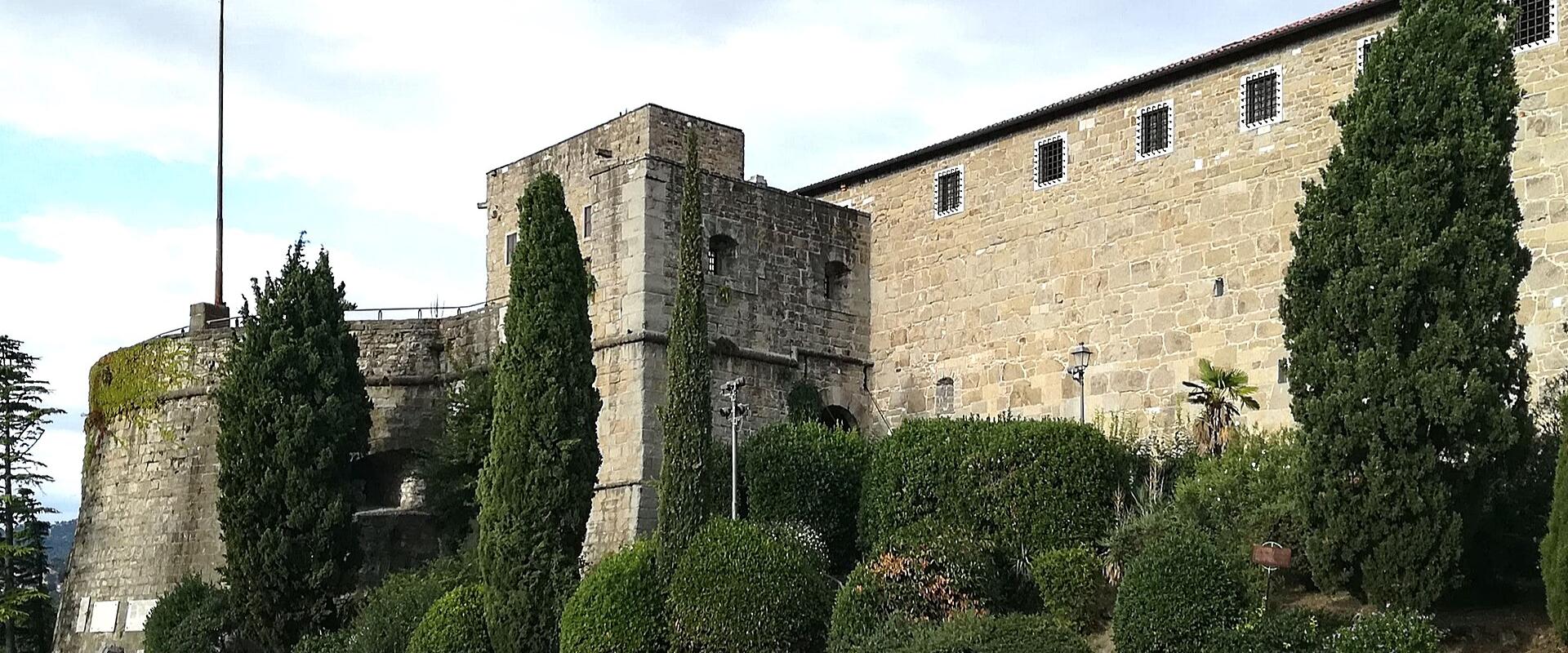
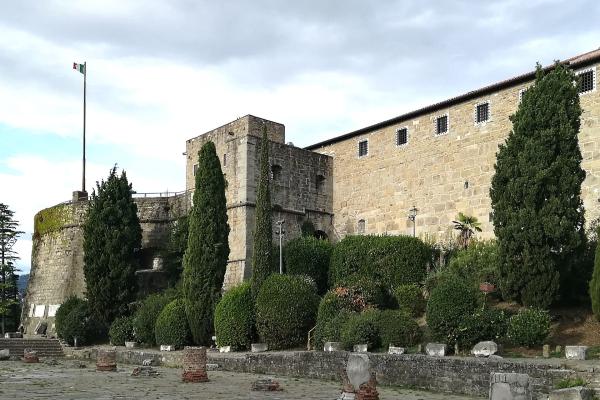
The Castello di San Giusto crowns the hill of San Giusto, the old acropolis of Trieste, and from its bastions you see the whole city spread down to the port and the Adriatic Sea. The hill has been the centre of Trieste, in the region of Friuli-Venezia Giulia, since Roman times, when a forum and a temple stood here, and it was later chosen as the site for the cathedral and for the castle that protected it. The fortress was begun in the 15th century by the Habsburgs, who ruled the city, partly in response to Venetian threats, and was completed in the early 17th century. Its massive walls with angular bastions, in the style of the time, show how military engineering changed in the age of cannon, and the whole building has a commanding presence.
The castle is entered through a drawbridge, and then across courtyards and passages that lead to the inner parts of the complex. Today it houses the Civic Museum, which displays an armoury with weapons and armour from many periods, as well as furniture, paintings, tapestries and objects from the history of the city and the surrounding region. The collections give a picture of the castle’s life as a residence and a garrison, and the rooms with their stone vaults and carved details have a strong atmosphere. The Bastione Fiorito, the Flowering Bastion, has a garden on the walls where open-air concerts and events are held in summer. Visitors should expect some effort, because the site has slopes, uneven floors and changes of level, and accessibility is only partial.
The walk around the walls rewards the effort. From the ramparts you can see the Gulf of Trieste, the long line of the waterfront, the great square of Piazza Unità d’Italia opening onto the water, and, on clear days, the white Miramare Castle on its promontory to the north and the mountains of Istria to the south. The sea and the hills together define Trieste, a city that was for centuries the main port of the Austro-Hungarian empire, and the view brings that history to life. It is especially beautiful at sunset.
The castle stands next to the Cattedrale di San Giusto, a church that was formed in the 14th century by joining two earlier basilicas, and which contains Byzantine mosaics in its apses. From the hill, you can walk down to the Teatro Romano, the Roman theatre, on the side facing the sea, and then into the Borgo Teresiano and the Caffè San Marco, a famous literary cafe. A mixed ticket gives entry to the museum and the castle grounds, and opening times change with the season. The castle suits history lovers, families, photographers and anyone interested in the layered past of Trieste. The Museo Revoltella and the Orto Botanico di Trieste are other places to see.
More photos coming soon
Admission Fees
- Admission
- Mixed-fare ticket
Hours and prices change, especially out of season. Check with the venue before you go.
Nearby Attractions
Other places to visit in Trieste
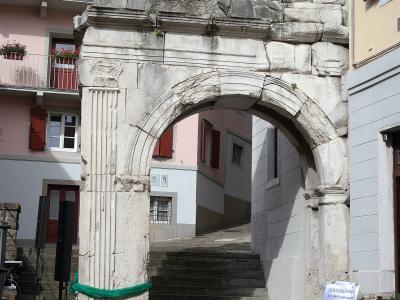
Arco di Riccardo
1st-century Roman arch in Trieste's old town lanes
Ancient Ruins · Historic Districts
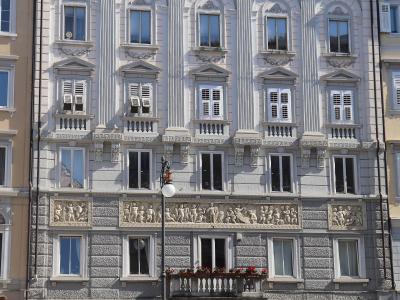
Borgo Teresiano
Habsburg-era merchant quarter with canals
Architectural Monuments · Harbor Views
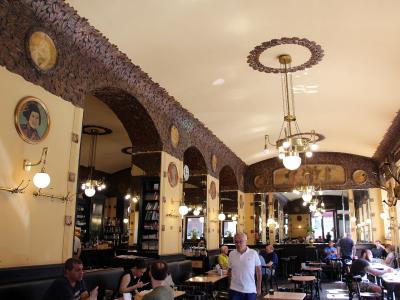
Caffè San Marco
1914 Viennese Secession café, James Joyce hub
Food & Gastronomy · History & Heritage
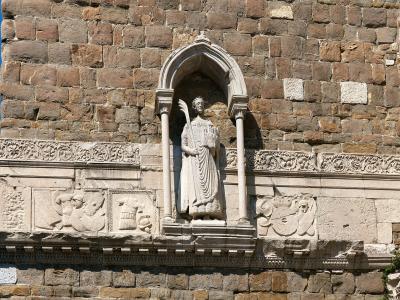
Cattedrale di San Giusto
13th-century Romanesque-Gothic cathedral with 12th-centur...
Free Architectural Monuments · Historic Churches
Questions people ask
Quick Facts
Best Time to Visit
Visit between April and June or September and October for mild temperatures and fewer crowds.