







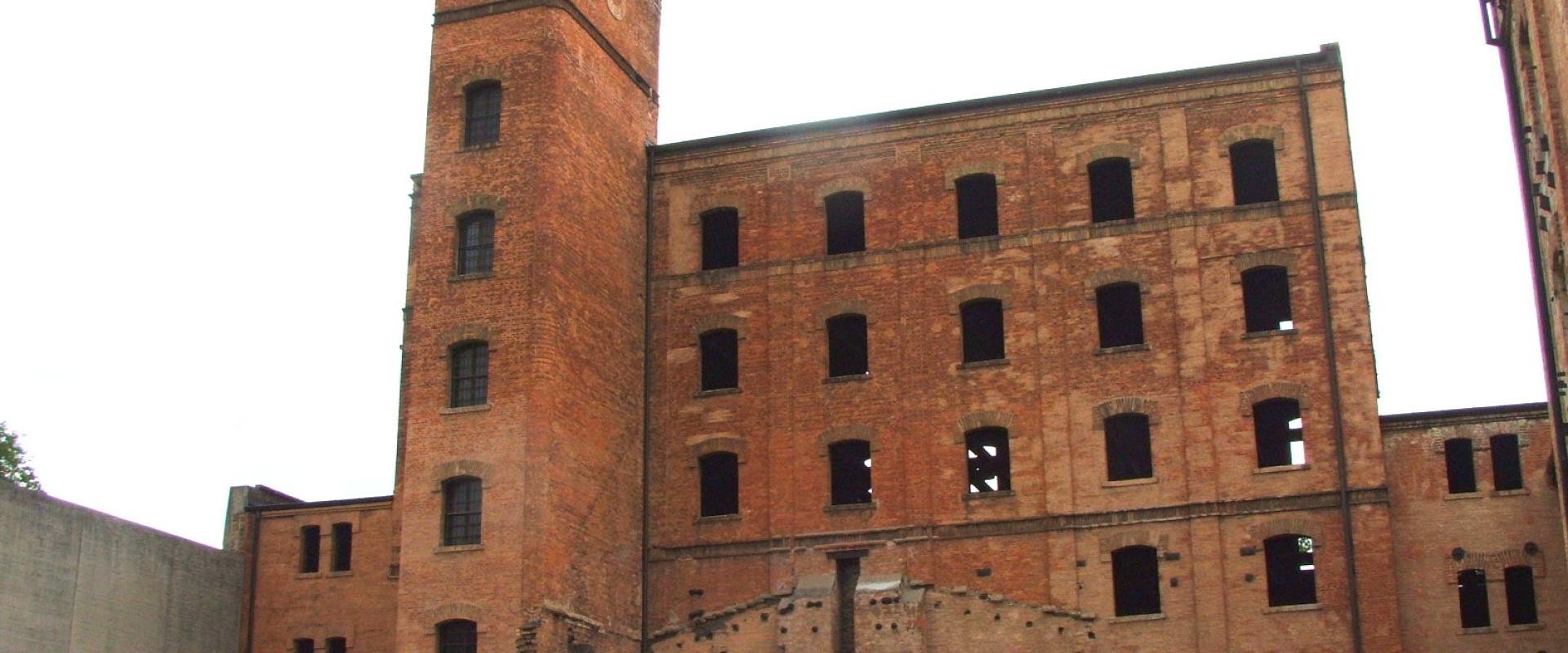
Risiera di San Sabba
Former rice mill used as a Nazi camp, now a national monument
- Admission
- Free
- Where
- Trieste, Friuli Venezia Giulia
- Directions
- Directions
The Risiera di San Sabba is a group of brick industrial buildings in the San Sabba district on the southern edge of Trieste. The complex was built between 1898 and 1913 as a plant for husking rice, which is where the name risiera, rice mill, comes from. After the Italian armistice of 8 September 1943, when the German army occupied north-eastern Italy and made Trieste part of the Operational Zone of the Adriatic Littoral, the buildings were turned into a prison camp.
At first the site held captured Italian soldiers as a transit prisoner-of-war camp, Stalag 339. From late October 1943 it became a Polizeihaftlager, a police detention camp, under SS commandant Josef Oberhauser, with men of the Einsatzkommando Reinhard, the unit linked to the Operation Reinhard extermination camps in occupied Poland. It was the only camp on Italian territory with a crematorium, built in the first months of 1944 and first used on 6 April 1944. Partisans, political prisoners, Slovenes, Croats, Jews and Jehovah's Witnesses were held here. Estimates of the number killed in the camp range from about 2,000 to 5,000. Thousands more prisoners, including about 1,450 Jews, passed through on their way to Auschwitz, Dachau, Buchenwald and other camps. On the night of 29 to 30 April 1945, as they withdrew, the Germans blew up the crematorium and the chimney to hide what had happened.
President Giuseppe Saragat declared the Risiera a national monument on 15 April 1965, and it opened as a museum in 1975, after a redesign by the Trieste architect Romano Boico. His project is part of the experience. Visitors enter through a narrow passage between tall, bare concrete walls, which opens into the courtyard. In the inner courtyard, facing the cells, a metal plate on the ground marks where the building with the furnace stood, a steel strip traces the underground channel to the chimney, and a sculpture of three metal profiles rises over the chimney's footprint. The cell of death, where condemned prisoners were held before execution, is preserved. Since 2016 the museum has included a multimedia section with photographs, documents, personal objects and video testimony from former deportees.
A visit here is sombre and quiet, and it is one of the most important places in Italy for understanding the Nazi occupation and the violence of the border region in the Second World War. It suits anyone with an interest in twentieth-century history, and older school-age children who have some background on the period. Ceremonies are held here each year on 25 April, Liberation Day.
Categories
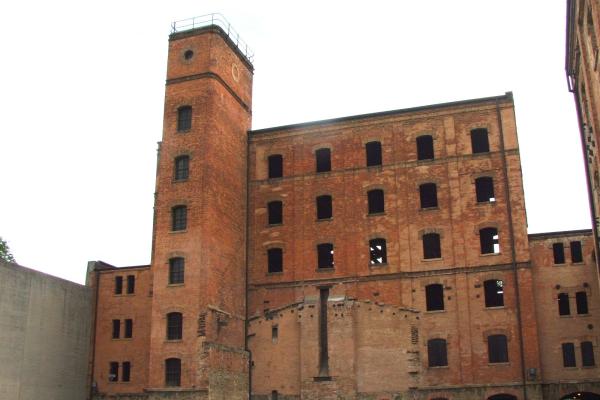
More photos coming soon
Admission Fees
- Admission
- Free
Hours and prices change, especially out of season. Check with the venue before you go.
Nearby Attractions
Other places to visit in Trieste
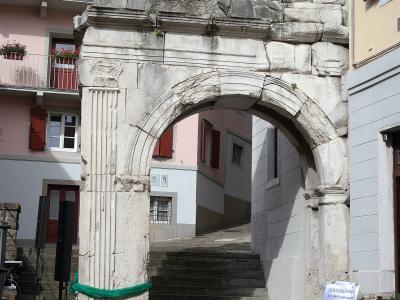
Arco di Riccardo
1st-century Roman arch in Trieste's old town lanes
Ancient Ruins · Historic Districts
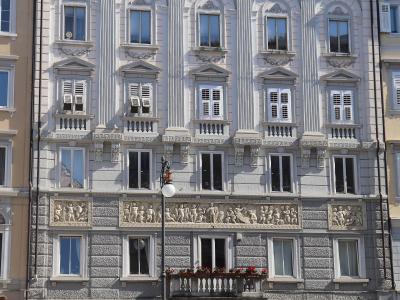
Borgo Teresiano
Habsburg-era merchant quarter with canals
Architectural Monuments · Harbor Views
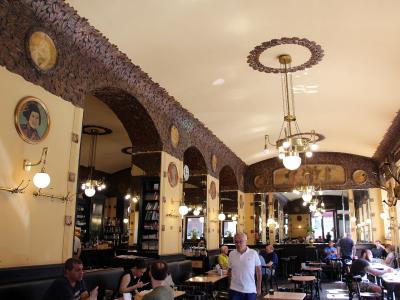
Caffè San Marco
1914 Viennese Secession café, James Joyce hub
Food & Gastronomy · History & Heritage
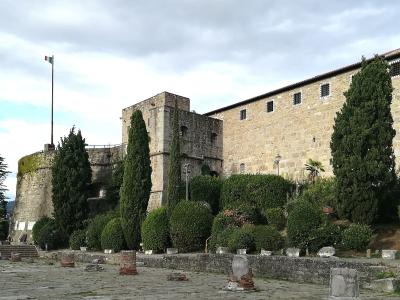
Castello di San Giusto
Medieval fortress housing a civic museum in Trieste
Archaeological Museums · Castles & Fortresses
Questions people ask
Quick Facts
Best Time to Visit
Visit between April and June or September and October for mild temperatures and fewer crowds.