







- Where
- Trieste, Friuli Venezia Giulia
- Directions
- Directions
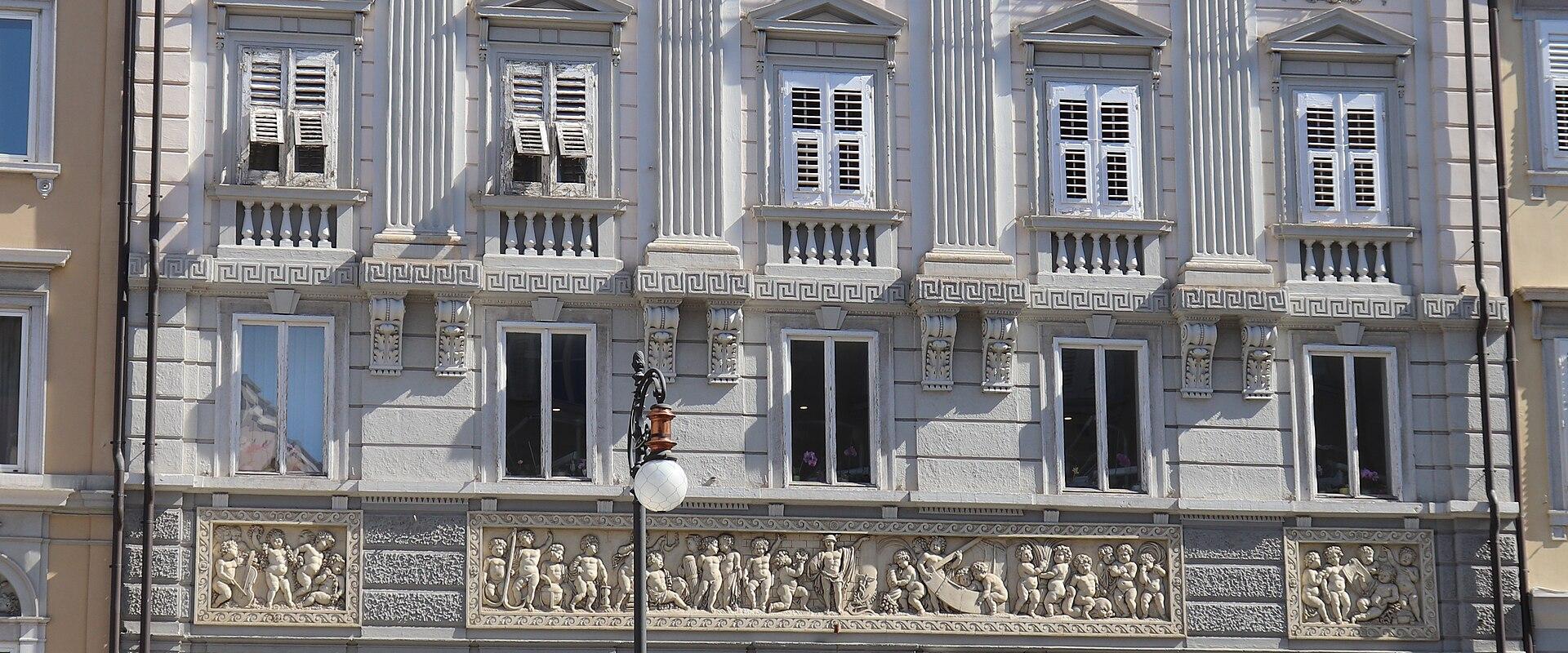
The Borgo Teresiano is a historic district of Trieste, in the north-east of Italy, with Habsburg origins, established as a merchant quarter during the reign of Empress Maria Theresa. It lies on the waterfront, to the north-west of Piazza Unità d'Italia, and it was laid out from the 1740s on land that had been salt pans and marshes, as a planned extension of the city, in a strict grid of straight streets, with a canal at its centre. The quarter was a product of Austrian policy. In 1719 the Habsburg emperor Charles VI declared Trieste a free port, and the city, which had been a small town, grew rapidly as a centre of trade and shipping for the empire, and the new quarter housed its merchants, bankers, shippers and shopkeepers.
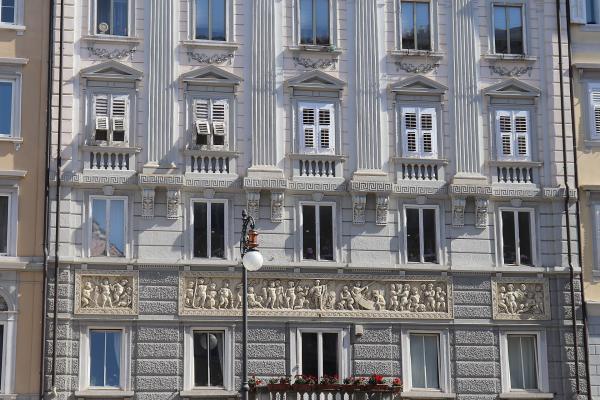
Today it remains a vibrant area that blends historical architecture with modern life. The neighbourhood is characterised by its unique layout, featuring canals and bridges that reflect its past as a bustling port and trade hub. The Canal Grande, built in the 1750s to allow ships to unload their goods directly at the warehouses, cuts into the district from the sea, and it is lined with elegant neoclassical buildings and a few cafes. Visitors can explore the narrow streets lined with palaces and warehouses, many of which have been restored to house shops, restaurants and cultural venues. The buildings are of the eighteenth and nineteenth centuries, painted in soft colours, with iron balconies.
The district offers a glimpse into Trieste’s multicultural heritage, shaped by its history as a free port and a meeting point for Italian, Slavic and Austrian cultures, a place where East meets West. Greeks, Serbs, Jews, Armenians, Germans and Italians settled here, and each community built its own place of worship, so that within a few streets you find a neoclassical Catholic church, the church of Sant'Antonio Taumaturgo, which closes the canal, the Serbian Orthodox church of San Spiridione, with its blue domes, a Greek Orthodox church and a synagogue. Key points of interest include the historic canals, which add a Venetian-like charm to the urban landscape, and the surrounding architecture that showcases various styles from the eighteenth and nineteenth centuries. A statue of the writer James Joyce, who lived in Trieste for many years, stands on one of the bridges.
While the district is a pleasure to walk in, it also has the Teatro Verdi, the opera house, and Piazza Ponterosso, where a small market is held beside the canal. The Piazza Unità d'Italia, the great square open to the sea, and the Castello di San Giusto and the Cattedrale di San Giusto on the hill above, are a short walk. The cafes, among them the historic Caffè San Marco, are a part of the city's literary tradition.
Exploring the Borgo Teresiano takes about an hour, and a walk at dusk along the canal is the most atmospheric. The wind, the bora, can be strong in winter. Wear comfortable shoes.
More photos coming soon
Nearby Attractions
Other places to visit in Trieste
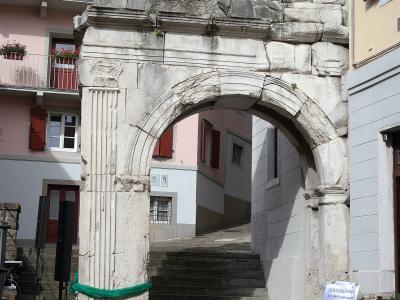
Arco di Riccardo
1st-century Roman arch in Trieste's old town lanes
Ancient Ruins · Historic Districts
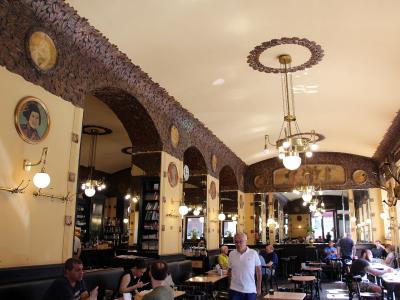
Caffè San Marco
1914 Viennese Secession café, James Joyce hub
Food & Gastronomy · History & Heritage
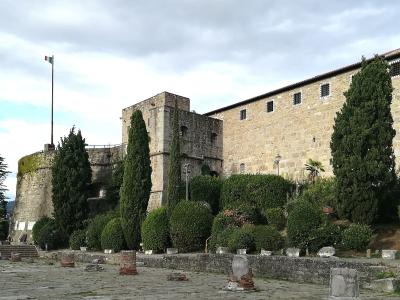
Castello di San Giusto
Medieval fortress housing a civic museum in Trieste
Archaeological Museums · Castles & Fortresses
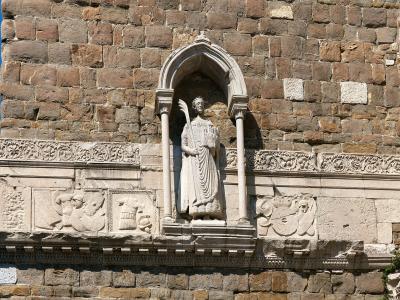
Cattedrale di San Giusto
13th-century Romanesque-Gothic cathedral with 12th-centur...
Free Architectural Monuments · Historic Churches
Questions people ask
Quick Facts
Best Time to Visit
Visit between April and June or September and October for mild temperatures and fewer crowds.