







- Where
- Trieste, Friuli Venezia Giulia
- Directions
- Directions
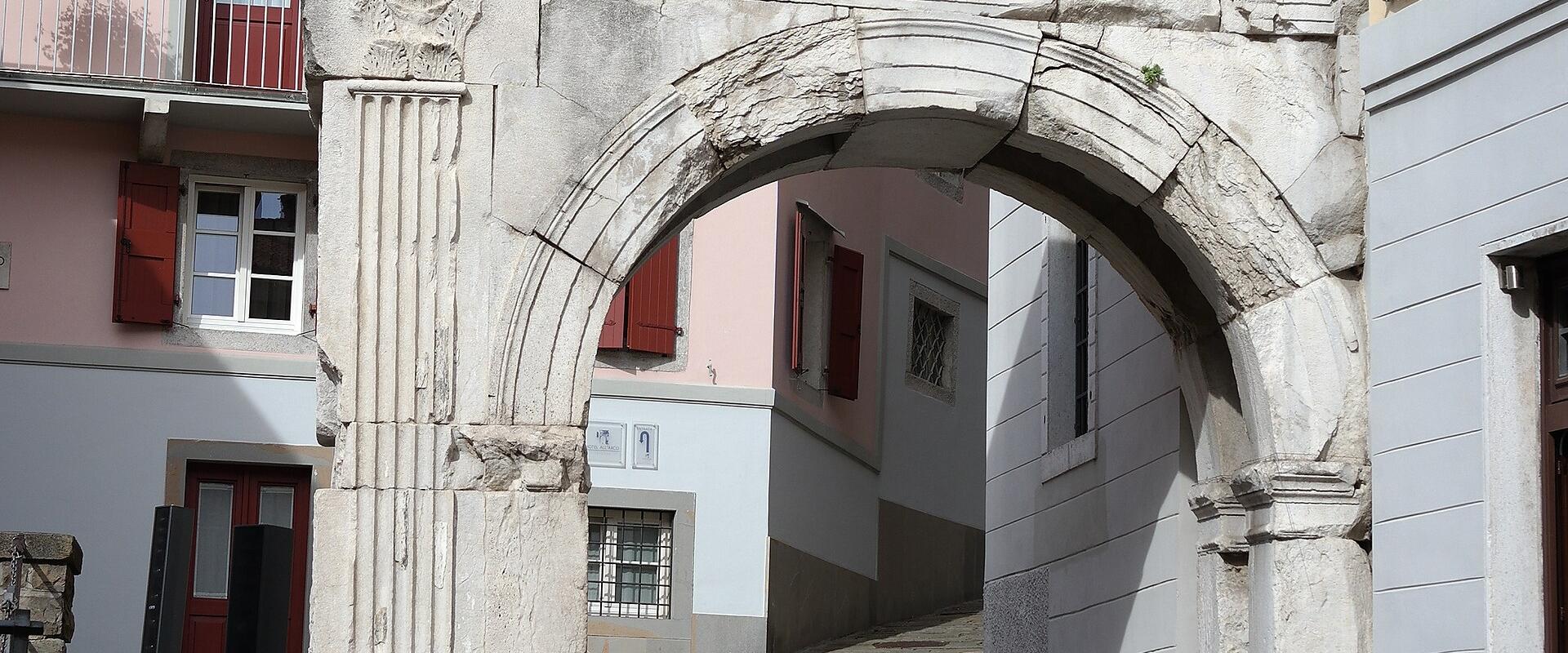
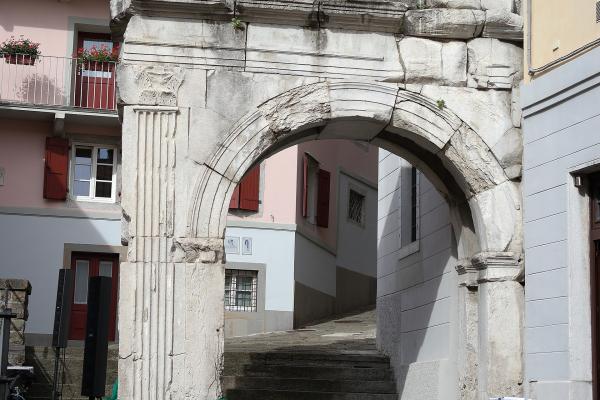
The Arco di Riccardo is a Roman arch tucked into the lanes of Città Vecchia, Trieste's old town, on the slope below the cathedral of San Giusto. It is the most visible survivor of Roman Tergeste above ground after the theatre, and because buildings have grown up around it on both sides, many visitors walk past it before they notice it.
Its age is a matter of debate. It has traditionally been linked to the reign of Augustus and dated to 33 or 32 BC, when the emperor had walls built around the colony, but the style of its decoration points to a later date, between about AD 50 and 75, under Claudius, Nero or the Flavians. The arch has a single opening, 7.2 metres high, 5.3 metres wide and 2 metres deep. The top is plain, the ceiling of the passage was coffered, and of the two Corinthian pilasters that framed the opening only one is still visible.
What the arch was for is also discussed. Some see it as one of the gates of the Roman town, others as the entrance to a sanctuary of the Magna Mater, the mother goddess Cybele. The name has a better story than either. A popular legend says it recalls Richard the Lionheart, the English king, who was supposedly held prisoner in Trieste on his way home from the Third Crusade. Historians prefer a plainer explanation: the arch probably stood at the entrance to the cardo maximus, the main north to south street of the Roman town, and Arco del Cardo, the arch of the cardo, gradually became Arco di Riccardo. Another theory links it to a medieval office called the ricario, whose seat was nearby.
The arch stands at the corner of a small square, Piazzetta Barbacan, with houses built against its sides, and the surrounding streets of Città Vecchia have been restored, with small bars and shops. Seeing it takes only a few minutes, so it works best as a stop on the walk between the seafront and the hill of San Giusto. The Teatro Romano is a short walk below, and the cathedral, the castle and the Roman forum ruins are above. It suits anyone interested in Roman history and anyone who enjoys finding old stones in everyday streets.
Categories
More photos coming soon
Nearby Attractions
Other places to visit in Trieste
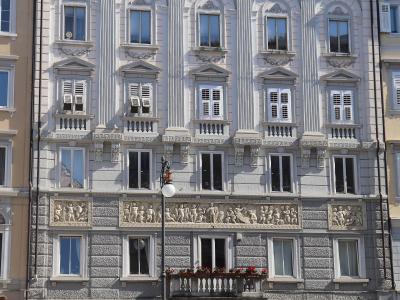
Borgo Teresiano
Habsburg-era merchant quarter with canals
Architectural Monuments · Harbor Views
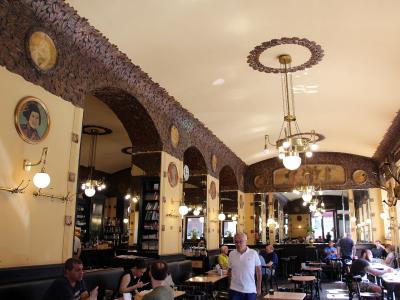
Caffè San Marco
1914 Viennese Secession café, James Joyce hub
Food & Gastronomy · History & Heritage
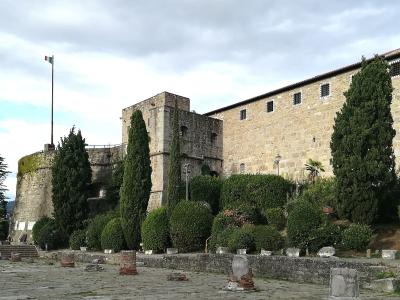
Castello di San Giusto
Medieval fortress housing a civic museum in Trieste
Archaeological Museums · Castles & Fortresses
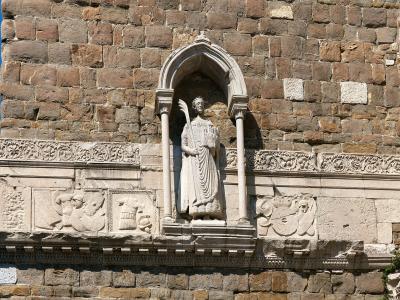
Cattedrale di San Giusto
13th-century Romanesque-Gothic cathedral with 12th-centur...
Free Architectural Monuments · Historic Churches
Questions people ask
Quick Facts
Best Time to Visit
Visit between April and June or September and October for mild temperatures and fewer crowds.