







- Where
- Trieste, Friuli Venezia Giulia
- Directions
- Directions
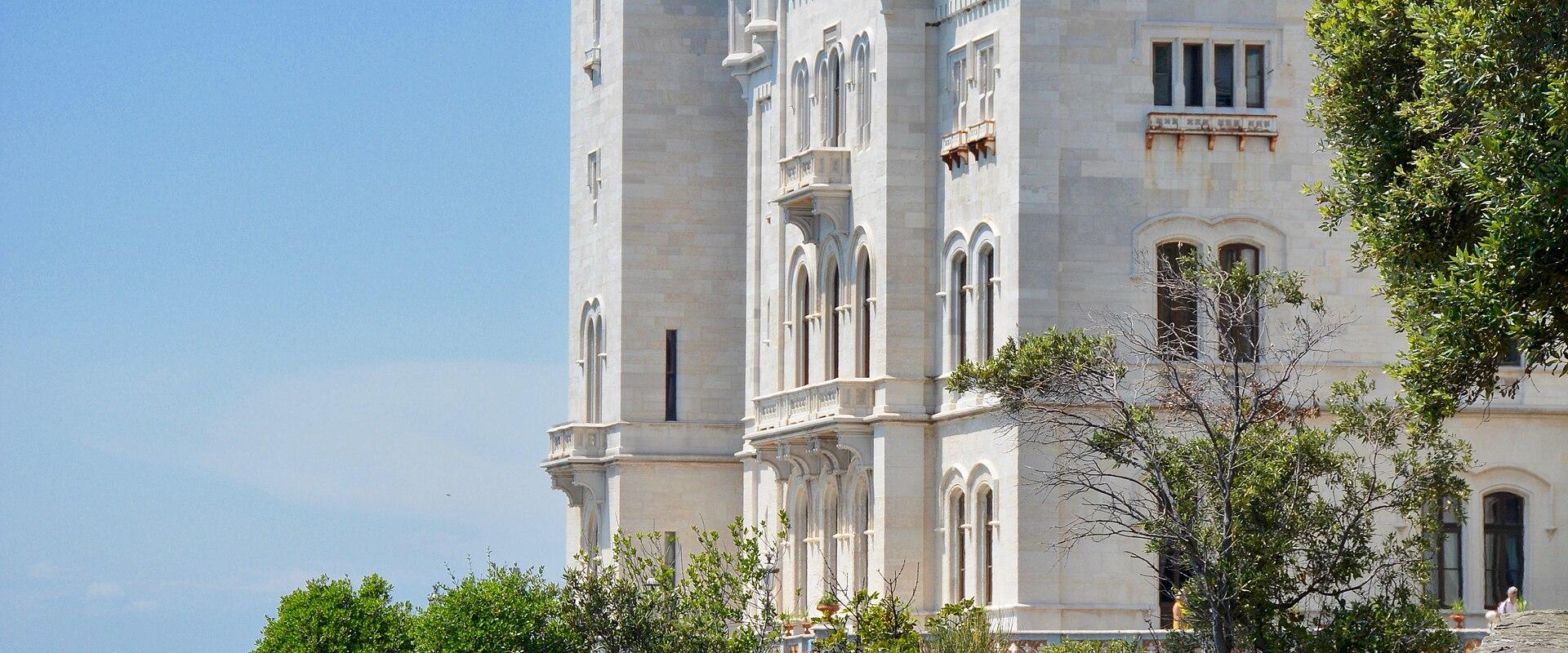
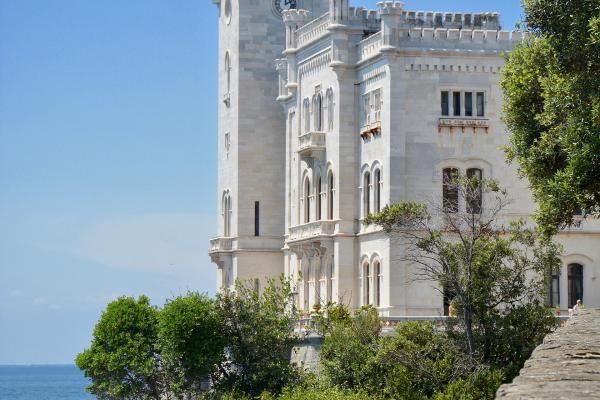
Miramare Castle is a historic residence on a rocky promontory about 8 kilometers northwest of Trieste, Italy, perched at the edge of the Adriatic with the sea on three sides. Built in the 19th century for Archduke Ferdinand Maximilian of Habsburg and his wife Charlotte of Belgium, the castle and its surrounding 22-hectare park offer a blend of historical architecture and natural beauty. Work took place in the late 1850s to a design by the Austrian architect Carl Junker, in an eclectic romantic style with Gothic, medieval and Renaissance elements, built of white stone. Ferdinand Maximilian, the younger brother of the Austrian emperor Franz Joseph, was a naval officer who loved the sea and botany, and he conceived the castle and its gardens as a home and a refuge, naming it Miramare, which means look at the sea.
The archduke’s story is a dramatic one. He lived at Miramare only for a few years before accepting the crown of Mexico in 1864, offered by Napoleon III and a group of Mexican conservatives. The adventure ended badly: Maximilian was captured and executed by firing squad in 1867, and Charlotte, who had gone to Europe to seek help, lost her reason and lived for decades in seclusion in Belgium. The castle, still furnished as it was, passed to the Habsburgs and later to the Italian state, and a persistent story says that it is cursed. During the Second World War and after, the castle served as a headquarters for Allied forces administering Trieste.
Today the castle is a museum, preserved with the furniture, paintings and decoration of the 1860s. Visitors walk through the archduke’s apartments, with their paneled ceilings, naval motifs and views over the water, and the Charlotte’s rooms and the throne room, before the guided areas such as the Castelletto, the small castle near the entrance where the couple lived while the main building was being completed, the Historic Kitchens and the Ducal Bath require guided tours. The BioMa marine museum, devoted to the marine life of the Gulf of Trieste, is located in the old stables, and the waters in front of the castle are protected as a marine reserve.
The park is as much of an attraction as the castle. Ferdinand Maximilian planted it with exotic trees brought from around the world, including cedars, cypresses and ginkgoes, and laid out terraces, ponds and avenues that lead to the sea, so the grounds are shady and pleasant even on hot days. The park is free and open year-round, with hours varying according to the month. The museum has set opening hours, with longer days in summer, and admission is charged, with reduced rates for young people and free entry for children under 18 and on the first Sunday of every month; audio guides are available. The ticket office closes before the castle does. Facilities include Caffè Massimiliano, a bookshop and electric shuttles for people who find the paths tiring.
Visitors are advised to book timed entry slots online, especially in summer, and to wear proper footwear for potentially slippery paths. Exploring Miramare Castle offers insight into the Habsburg history of the region. It is an essential stop to appreciate the architectural and natural heritage of Trieste, and it can be reached by bus or by a scenic walk along the coast road, with views of the gulf.
Categories
More photos coming soon
Nearby Attractions
Other places to visit in Trieste
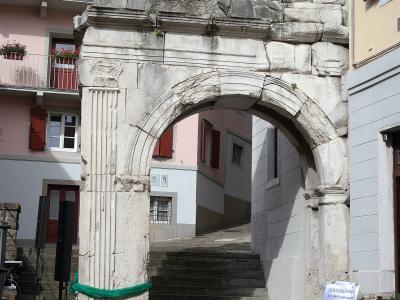
Arco di Riccardo
1st-century Roman arch in Trieste's old town lanes
Ancient Ruins · Historic Districts
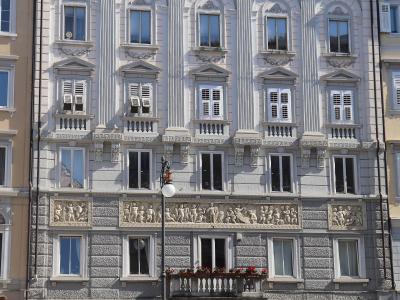
Borgo Teresiano
Habsburg-era merchant quarter with canals
Architectural Monuments · Harbor Views
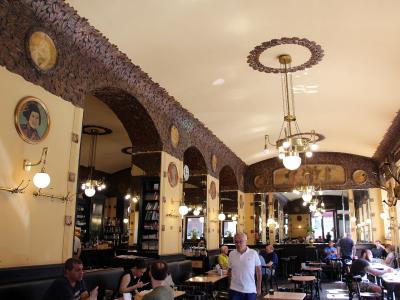
Caffè San Marco
1914 Viennese Secession café, James Joyce hub
Food & Gastronomy · History & Heritage
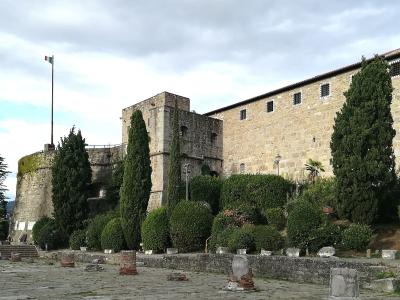
Castello di San Giusto
Medieval fortress housing a civic museum in Trieste
Archaeological Museums · Castles & Fortresses
Questions people ask
Quick Facts
Best Time to Visit
Visit between April and June or September and October for mild temperatures and fewer crowds.