







- Admission
- Free admission
- Hours
- Generally open during daylight hours; check the Trieste municipality website for current a...
- Where
- Trieste, Friuli Venezia Giulia
- Directions
- Directions
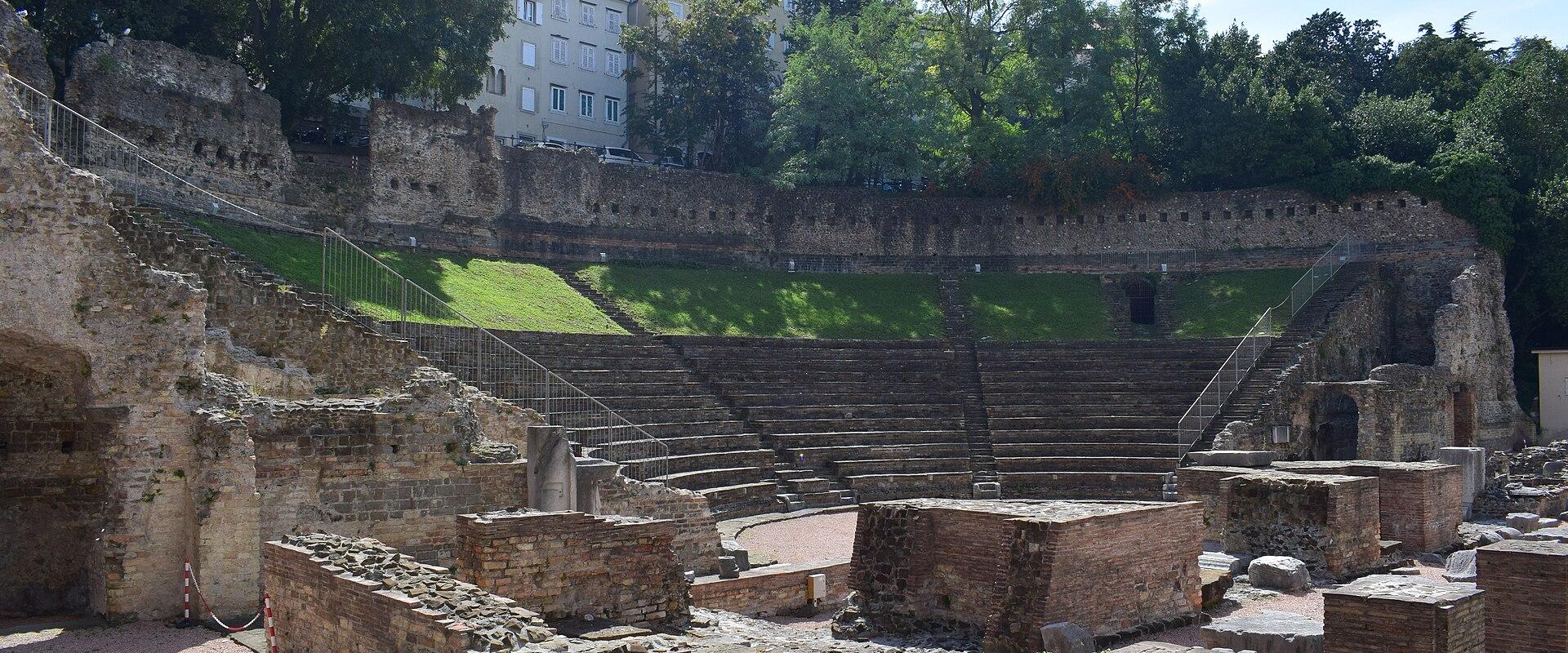
The Roman Theatre of Trieste, the Teatro Romano, in Italy, is one of the most evocative classical monuments of the city, set at the foot of San Giusto hill on Via del Teatro Romano, a short distance from the sea. In Roman times Trieste was Tergeste, a colony on the northern Adriatic that served as a port and a gateway to the Alpine passes and the Balkans, and its citizens built the usual public buildings of a Roman town, among them a forum, baths and a theatre. The theatre was constructed against the slope of the hill, so that the seats of the auditorium rose naturally up the hillside, with the stage facing the sea. It is generally dated to the end of the 1st century AD or the beginning of the 2nd, a period associated with Emperor Trajan, though some scholars point to the time of Augustus, and its exact date remains debated.
It was a place of entertainment and civic life, where citizens gathered to watch plays, mimes and musical performances, and the theatre could hold several thousand spectators, which gives an idea of the size of the Roman town. After the end of the empire, the theatre fell out of use and was gradually buried under later buildings, as the medieval and modern city grew over it. Houses were built into the ruins, and only the outline of the auditorium survived in the line of the streets. Its existence was rediscovered in 1814, when workers demolishing houses uncovered parts of the structure, and a more thorough excavation followed in the 20th century, which cleared the site and revealed what remains today.
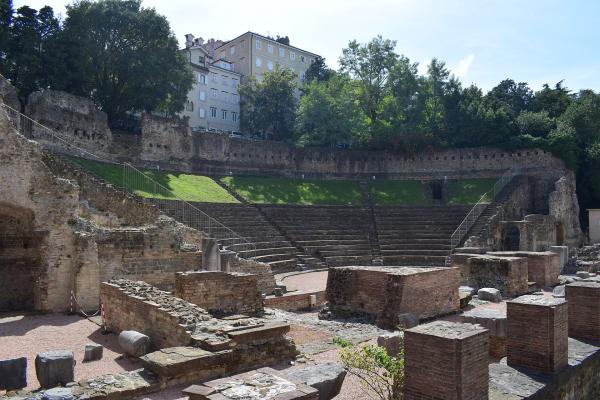
Visitors will find the semicircular cavea, the tiers of seats, partly preserved, with some stone steps and the radial stairways, the vaulted passages that gave access to the seating, and the foundations of the stage, along with a section of the stage building and fragments of decoration. Statues and architectural pieces found during the excavations, among them portrait heads and inscriptions, are displayed in the city’s civic museums. In summer the theatre is sometimes used for open-air events, concerts and performances, which gives the old stones a role again.
The site is managed as a public monument, and it is generally open during daylight hours, though access arrangements may change, so check locally. A visit takes about half an hour. The theatre lies just below the Castello di San Giusto and the Cattedrale di San Giusto, so it fits into a walk up the hill, and the Piazza Unità d’Italia, the Borgo Teresiano and the Caffè San Marco lie down the slope. Miramare Castle, the Grotta Gigante, the Museo Revoltella, the Orto Botanico di Trieste and the Ponte Rosso are other places to see in the area. The theatre suits those interested in Roman history and in the layers of Trieste’s past.
Categories
More photos coming soon
Hours & Fees
- Open
- Generally open during daylight hours; check the Trieste municipality website for current access
- Admission
- Free admission
Hours and prices change, especially out of season. Check with the venue before you go.
Nearby Attractions
Other places to visit in Trieste
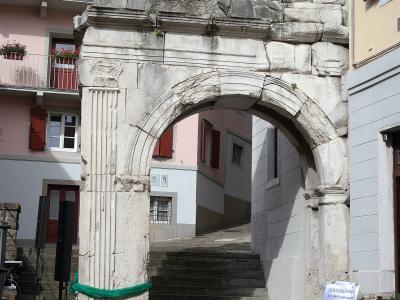
Arco di Riccardo
1st-century Roman arch in Trieste's old town lanes
Ancient Ruins · Historic Districts
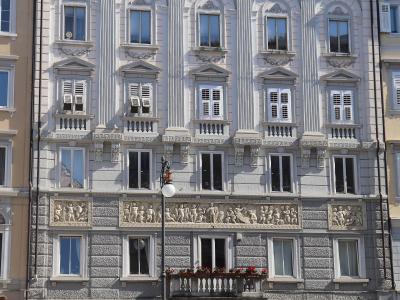
Borgo Teresiano
Habsburg-era merchant quarter with canals
Architectural Monuments · Harbor Views
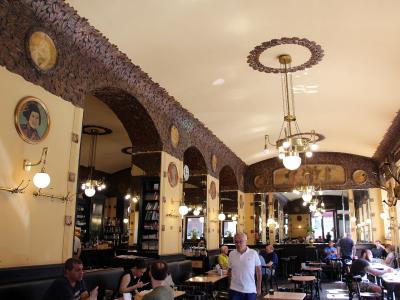
Caffè San Marco
1914 Viennese Secession café, James Joyce hub
Food & Gastronomy · History & Heritage
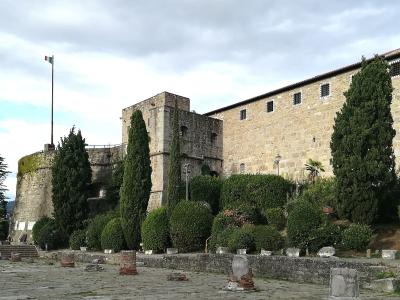
Castello di San Giusto
Medieval fortress housing a civic museum in Trieste
Archaeological Museums · Castles & Fortresses
Questions people ask
Quick Facts
Best Time to Visit
Visit between April and June or September and October for mild temperatures and fewer crowds.