







Cattedrale di San Giusto
13th-century Romanesque-Gothic cathedral with 12th-centur...
- Admission
- Free admission
- Where
- Trieste, Friuli Venezia Giulia
- Directions
- Directions
The Cattedrale di San Giusto Martire crowns San Giusto Hill, the old acropolis of Trieste, and is the city’s main church and a symbol of its religious and cultural heritage. The building is unusual because it is really two churches joined into one. In the 14th century, two earlier churches standing side by side, an early Christian basilica dedicated to Santa Maria Assunta and a smaller church dedicated to Saint Justus, the city’s patron and martyr, were linked by opening the walls between them. The result is a broad interior with five naves, a plan that is rare in Italy and gives the church an irregular, layered look. The style is Romanesque-Gothic, with a Romanesque stone facade and a large rose window above the main portal.
The most precious treasures are the mosaics in the apses, which glow with gold. In the apse of the former Santa Maria Assunta, on the left, a mosaic of the Virgin and the apostles dates to the 12th century and shows the clear influence of Byzantine craftsmen from the Adriatic world, connected to the mosaics of Venice and Ravenna. In the apse of San Giusto, on the right, a later mosaic shows Christ among saints. Fresco fragments, an old baptistery and marble fragments from earlier structures add to a sense of long accumulation.
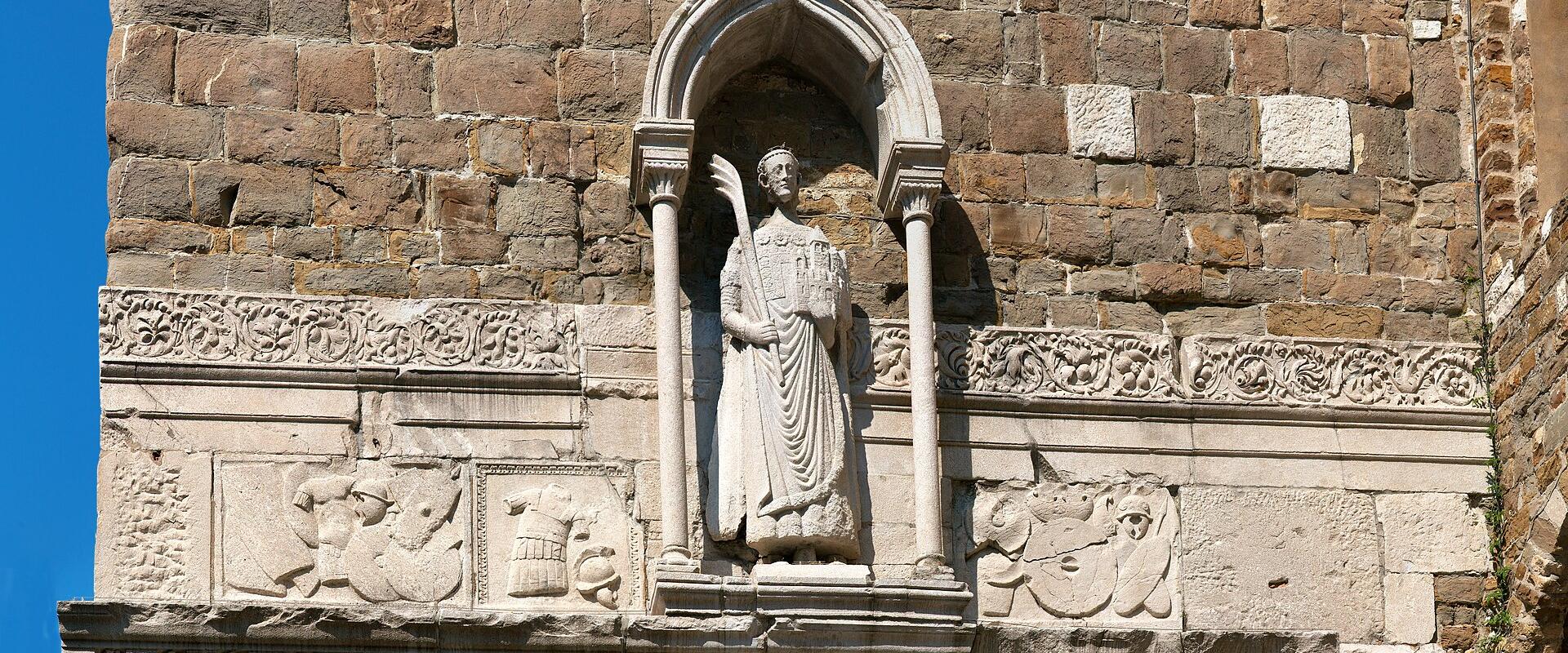
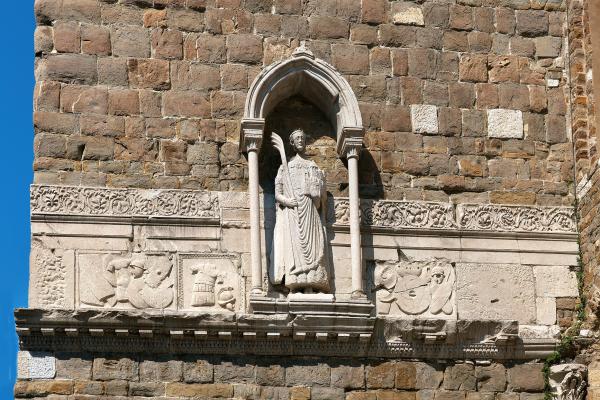
The bell tower beside the facade incorporates parts of a Roman temple, showing how the hill’s earlier history was recycled in the building. A statue of Saint Justus stands in the niche on the tower. Beside the cathedral, the Castello di San Giusto, a 15th-century fortress, and the excavated remains of a Roman forum lie within a short walk, so the whole hilltop forms a layered archaeological and historical site. A small museum near the church, the Lapidario Tergestino, displays Roman stones and sculpture.
Visitors can explore the cathedral and its surroundings, which provide panoramic views of Trieste and the Adriatic Sea. The main cathedral is typically open daily, with separate hours for the bell tower and museum, so check official signage for the latest schedule, which can change for religious services, public holidays or special events. Entry to the cathedral itself is free. Early morning or late afternoon visits are recommended to avoid crowds and enjoy a more peaceful atmosphere, and modest dress is expected.
The hill is reached on foot by a climb from the old town, through narrow streets and steps, or by bus, and the walk is part of the experience, with views opening up as you rise. The cathedral suits anyone interested in the layering of early Christian, Byzantine and medieval art, and the mosaics are especially rewarding for those who have seen Ravenna. It gives a deep connection to Trieste’s medieval past, and it combines easily with the castle, the Roman remains and a walk down toward the waterfront.
More photos coming soon
Admission Fees
- Admission
- Free admission
Hours and prices change, especially out of season. Check with the venue before you go.
Nearby Attractions
Other places to visit in Trieste
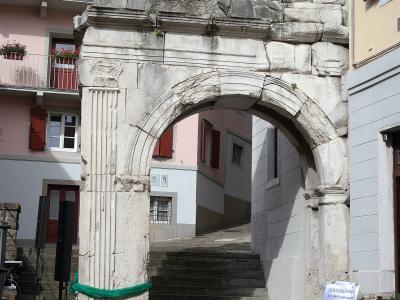
Arco di Riccardo
1st-century Roman arch in Trieste's old town lanes
Ancient Ruins · Historic Districts
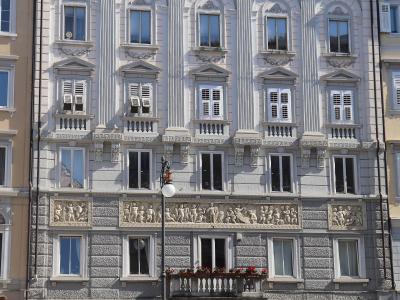
Borgo Teresiano
Habsburg-era merchant quarter with canals
Architectural Monuments · Harbor Views
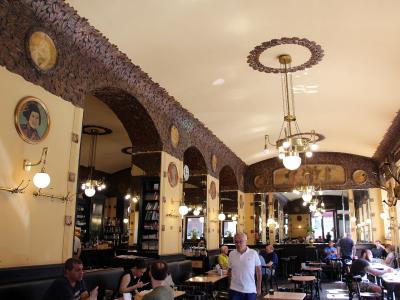
Caffè San Marco
1914 Viennese Secession café, James Joyce hub
Food & Gastronomy · History & Heritage
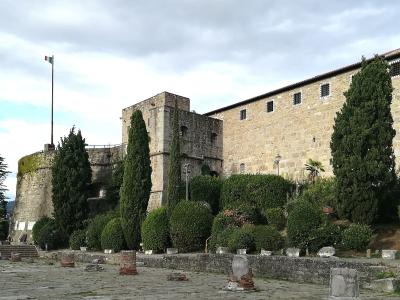
Castello di San Giusto
Medieval fortress housing a civic museum in Trieste
Archaeological Museums · Castles & Fortresses
Questions people ask
Quick Facts
Best Time to Visit
Visit between April and June or September and October for mild temperatures and fewer crowds.