







- Where
- Trieste, Friuli Venezia Giulia
- Directions
- Directions
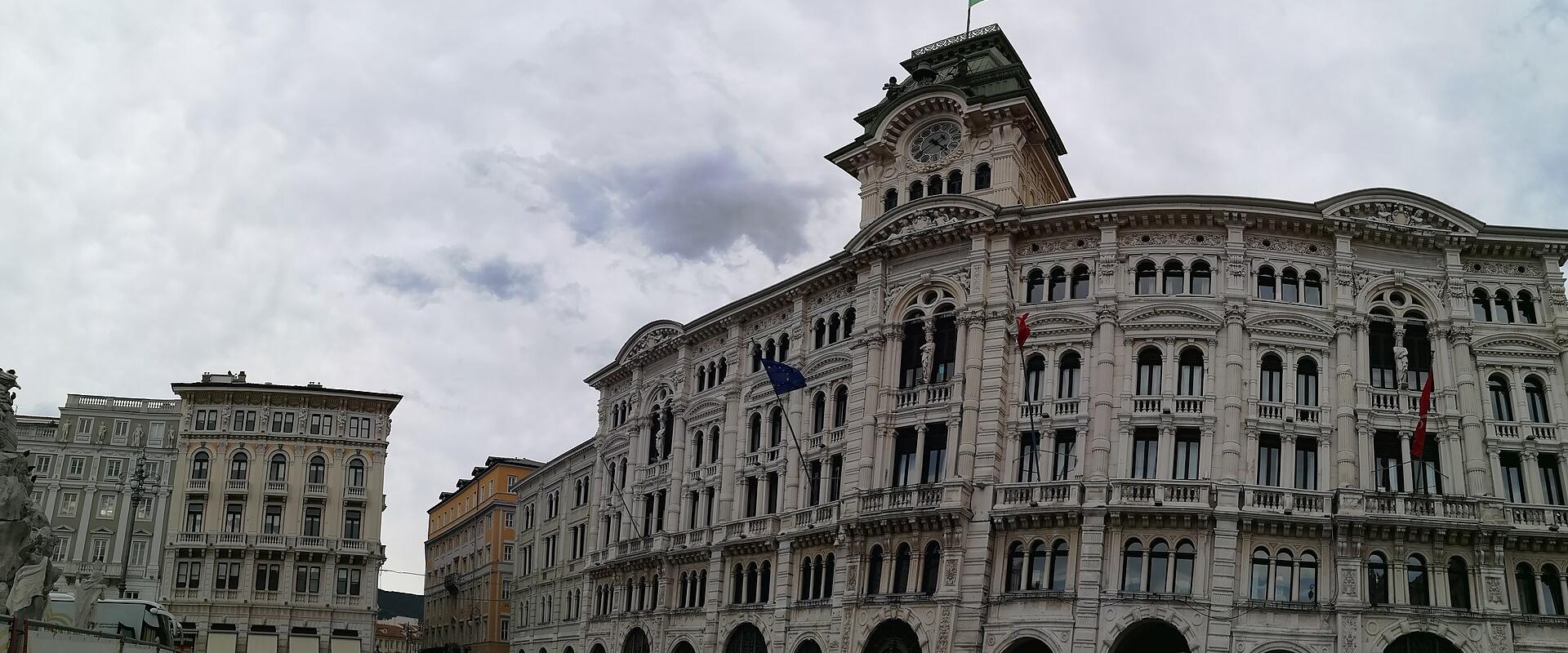
Piazza Unità d'Italia is the central square of Trieste and one of the city’s most impressive landmarks. Widely regarded as Europe's largest square opening directly onto the sea, it is the cultural and historical center of the city. Originally known as Piazza Grande, it was a vital trade hub during Trieste's time as a key port of the Austro-Hungarian Empire. The square was renamed Piazza Unità d'Italia, Unity of Italy, following the annexation of the city to Italy after the First World War, reflecting the city’s political shifts from Habsburg rule to Italian sovereignty. In between, it was called Piazza Francesco Giuseppe, after the Austrian emperor, a name that shows how important it was to the empire, for which Trieste was the main outlet to the sea.
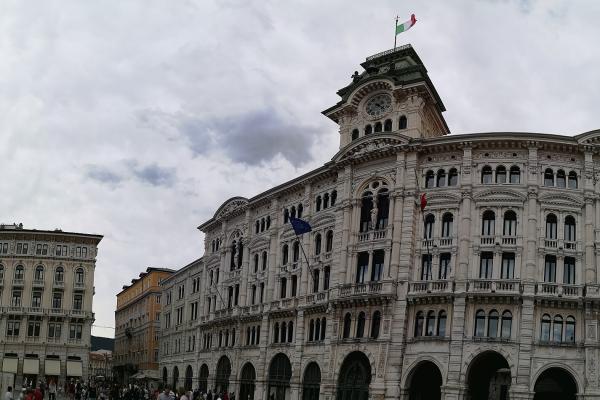
Surrounded by elegant Habsburg architecture, lively cafes and historic buildings, the square offers a blend of Central European charm and Mediterranean atmosphere. Three sides are lined with grand 19th-century buildings, and the fourth opens to the Adriatic. The Town Hall, the Palazzo del Municipio, with a clock tower and two bronze figures that strike the hours, occupies the middle of the long side. The Palazzo del Governo, with its colorful mosaic facade in Art Nouveau style, which was the seat of the Habsburg governor, stands on one side, and the Palazzo del Lloyd Triestino, a vast building that housed the shipping company that was the pride of Trieste’s port, closes another. The Palazzo Stratti, with the Caffè degli Specchi, the Mirror Cafe, in the arcade, has been a meeting place for nearly two centuries. In the center of the square stands the Fountain of the Four Continents, of the 18th century, and near the sea a column with a statue of Emperor Charles VI, who declared Trieste a free port in 1719, laying the basis for its prosperity.
Visitors can stroll along the waterfront, enjoying the connection to the Adriatic Sea while observing the grand facades of buildings like the Palazzo del Governo and, on a clear day, the distant coast. From the square, the Molo Audace, a long stone pier that extends into the sea, makes a popular promenade, especially at sunset, when the light is gold and the pier is full of people, and its end offers a view back to the square. At night, the buildings are illuminated in changing colors, which gives the square a theatrical air, and in winter, it hosts a Christmas market and events. As an open public space, the square has no opening hours or admission fees, allowing for free access at any time.
Exploring Piazza Unità d'Italia offers insight into Trieste’s unique identity as a bridge between cultures. It is an essential starting point to appreciate the region’s architectural and historical legacy. The combination of historical depth and scenic beauty makes it a memorable destination. It complements visits to other landmarks in Trieste, such as the Castle of Miramare and the Roman Theatre, providing a view of the city’s identity. Visitors are advised to take their time to enjoy the atmosphere and observe the daily life of locals and tourists alike, with a coffee at one of the old cafes.
Categories
More photos coming soon
Nearby Attractions
Other places to visit in Trieste
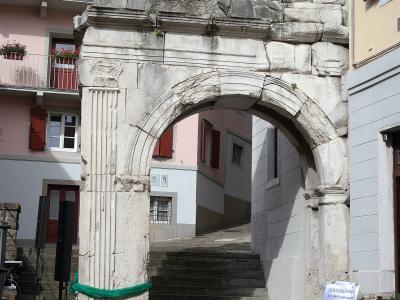
Arco di Riccardo
1st-century Roman arch in Trieste's old town lanes
Ancient Ruins · Historic Districts
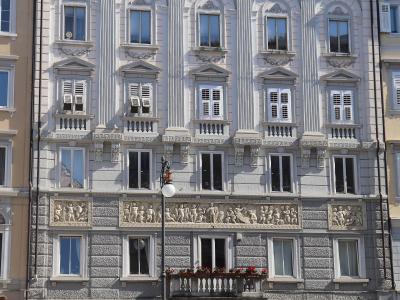
Borgo Teresiano
Habsburg-era merchant quarter with canals
Architectural Monuments · Harbor Views
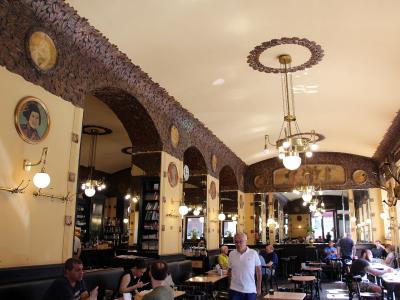
Caffè San Marco
1914 Viennese Secession café, James Joyce hub
Food & Gastronomy · History & Heritage
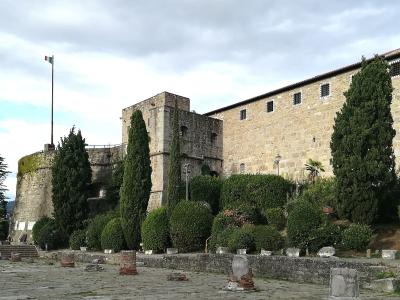
Castello di San Giusto
Medieval fortress housing a civic museum in Trieste
Archaeological Museums · Castles & Fortresses
Questions people ask
Quick Facts
Best Time to Visit
Visit between April and June or September and October for mild temperatures and fewer crowds.