







- Where
- Trieste, Friuli Venezia Giulia
- Directions
- Directions
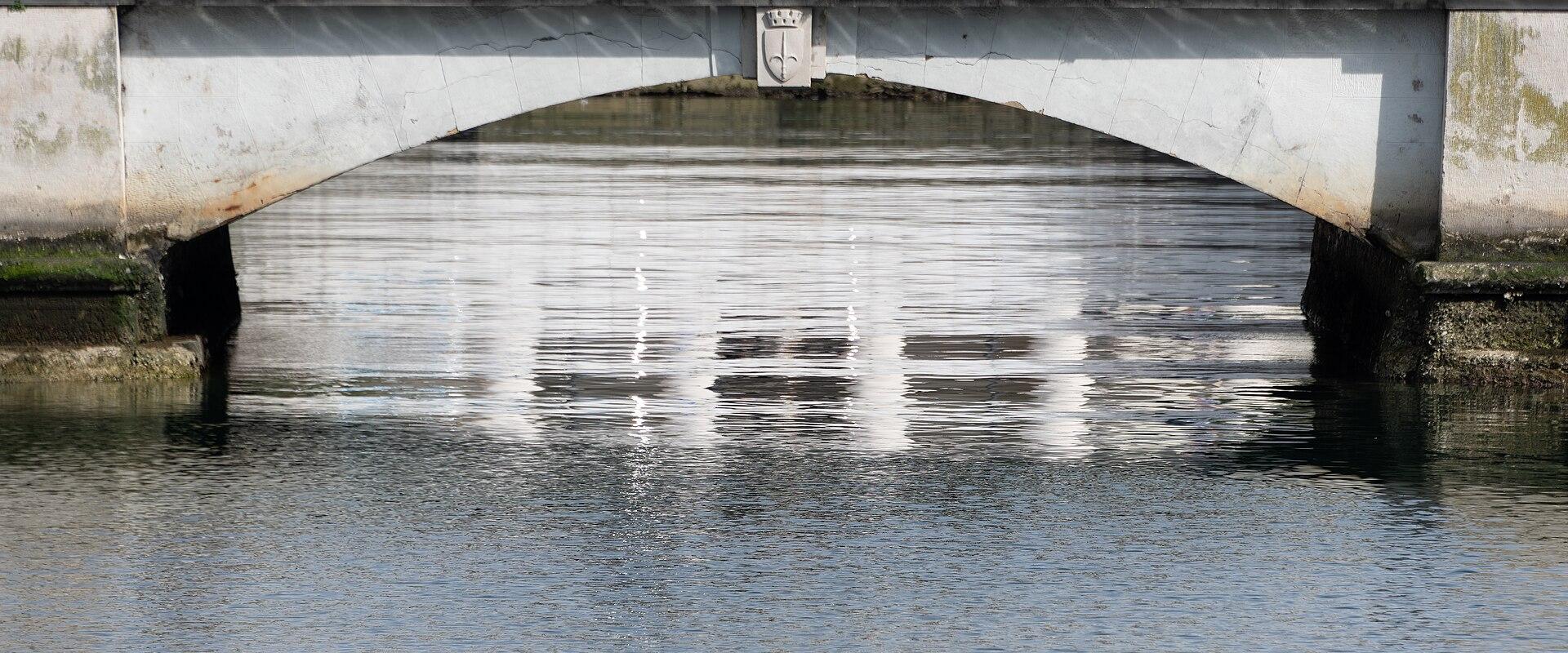
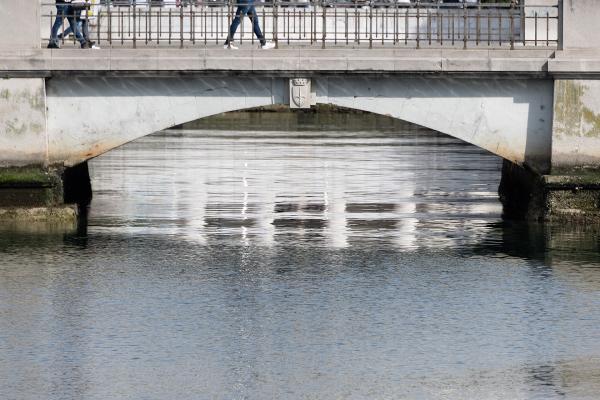
The Ponte Rosso, the Red Bridge, crosses the Canal Grande of Trieste, the short canal that cuts into the old Borgo Teresiano district, and it is one of the most familiar spots of the city. The canal was dug between 1754 and 1756, during the reign of the Habsburg empress Maria Theresa, to improve the drainage of the marshy ground and to allow merchant ships to unload their goods almost at the doors of the warehouses. It was part of a plan that transformed Trieste from a small town into a major port of the empire, with a new district laid out on a grid, which was named the Borgo Teresiano in her honour. The first Ponte Rosso was built at the same time, in 1756, and the bridge has been rebuilt more than once since then, but the name has remained.
The canal runs from the sea into the middle of the new district, with a quay on each side, and at its head stands the Neoclassical church of Sant’Antonio Taumaturgo, while about halfway along, the Serbian Orthodox church of San Spiridione, with its blue domes, adds a touch of the East to the scene. These buildings reflect the diverse population that Trieste attracted, merchants of Greek, Serbian, Jewish, Armenian and German origin, who built their own places of worship alongside the Catholic churches. Boats and small craft moor along the water, and the canal has a quiet, picturesque air. The buildings of the Habsburg era on either side, with their elegant facades, show the prosperity of the city in the 18th and 19th centuries.
The bridge connects the Piazza Ponterosso, a square that is a local hub for social life and commerce, with the other side of the canal. A market is held in the square, with stalls selling fruit and vegetables, flowers and other goods, and the surrounding streets are lined with cafes and shops. On the bridge, visitors will notice a bronze statue of the Irish writer James Joyce, who lived in Trieste for more than a decade, from 1904 to 1915, and taught English there, shown striding along with his hat and walking stick. It is a favourite place for photographs.
A visit to the Ponte Rosso is easy and free, as the bridge and the quays are public and open at all times, and the best time to go is in the morning, when the market is in action, or at dusk, when the lamps come on. It takes about half an hour, with time to see the churches. It lies close to Piazza Unità d’Italia, the great square facing the sea, and to the Caffè San Marco, the Teatro Romano and the Castello di San Giusto, which are all within walking distance in the city. The Cattedrale di San Giusto and the Museo Revoltella are other places to visit, while Miramare Castle and the Grotta Gigante lie outside the centre. The bridge suits those interested in Habsburg-era history, in the Austro-Hungarian Empire, in the Central European and Italian blend of Trieste in Italy, literature and the atmosphere of a port city.
Categories
More photos coming soon
Nearby Attractions
Other places to visit in Trieste
Arco di Riccardo
1st-century Roman arch in Trieste's old town lanes
Ancient Ruins · Historic Districts
Borgo Teresiano
Habsburg-era merchant quarter with canals
Architectural Monuments · Harbor Views
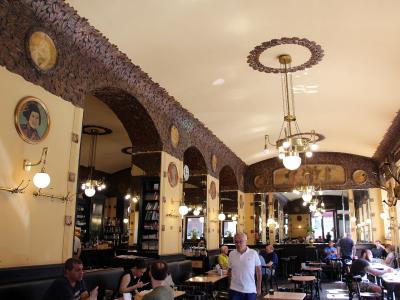
Caffè San Marco
1914 Viennese Secession café, James Joyce hub
Food & Gastronomy · History & Heritage
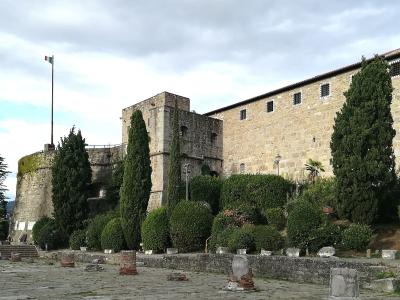
Castello di San Giusto
Medieval fortress housing a civic museum in Trieste
Archaeological Museums · Castles & Fortresses
Questions people ask
Quick Facts
Best Time to Visit
Visit between April and June or September and October for mild temperatures and fewer crowds.