Aosta
Roman capital of Aosta Valley with arches, amphitheater, and alpine access
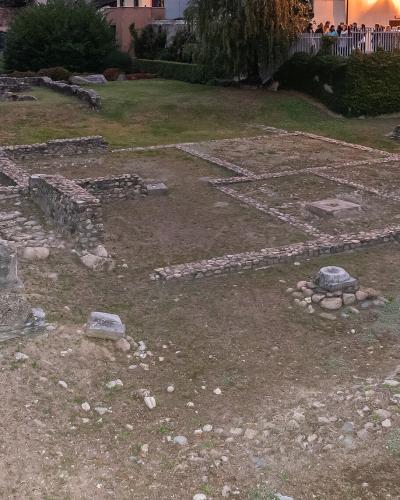
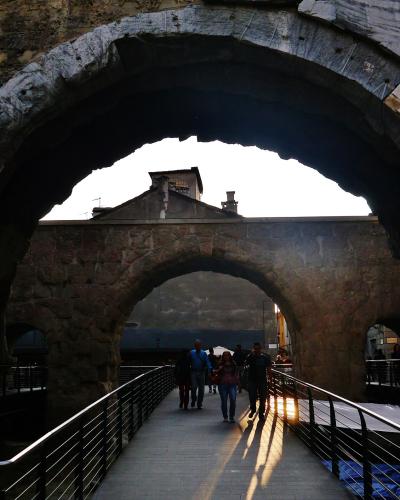
Aosta’s history dates back to 25 BC when it was founded as Augusta Praetoria Salassorum, a Roman colony intended to secure the strategic mountain passes into Italy. The city was designed as a typical Roman military camp, with a grid plan and fortified walls, many of which still stand today. It served as a crucial stop on the Via Augusta, connecting Rome to Gaul. During the Middle Ages, Aosta became a strategic point for various powers, including the Holy Roman Empire and the House of Savoy, leading to the construction of castles and churches. The city retained its importance as a trade hub and cultural center, blending Roman, Frankish, and Savoyard influences. Today, Aosta preserves its Roman heritage, with well-preserved monuments that offer a rare glimpse into ancient urban planning in the Alps. The city also maintains its bilingual identity, reflecting its position on the border between Italy and France.
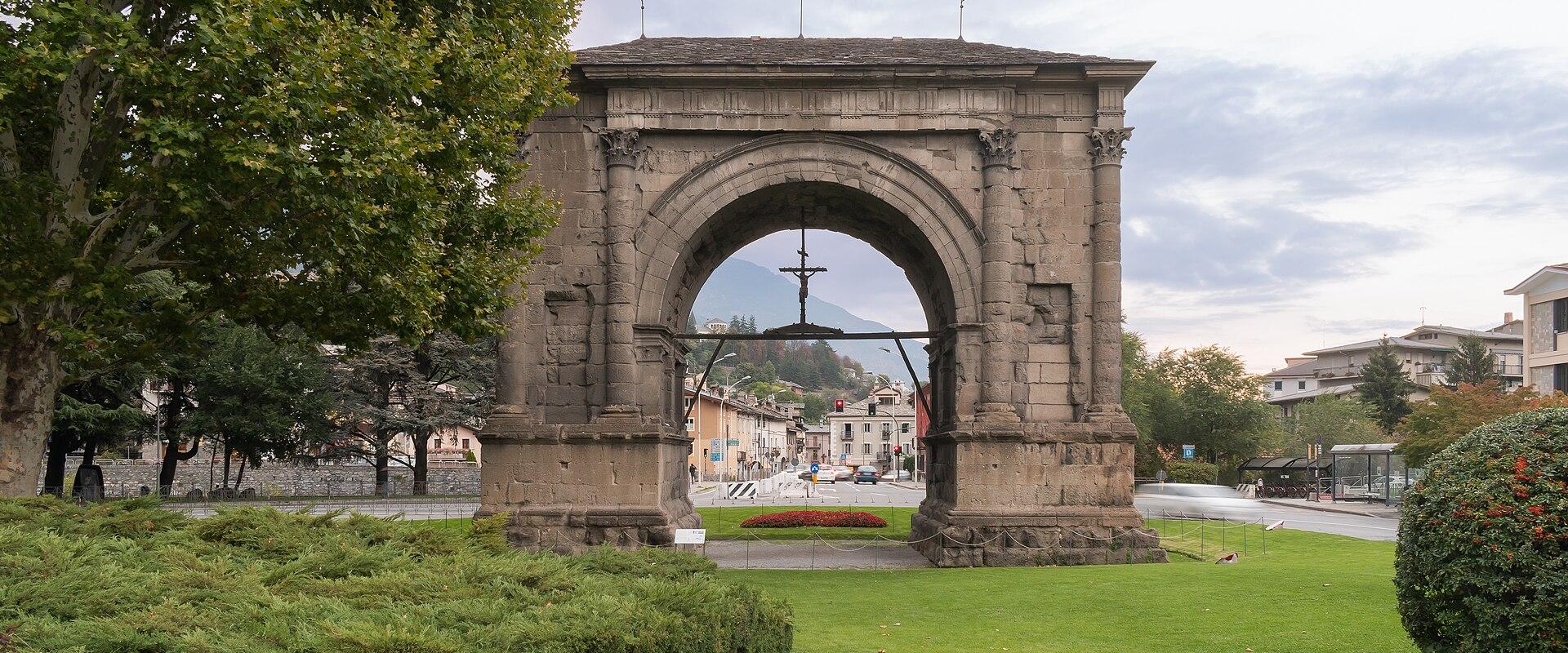
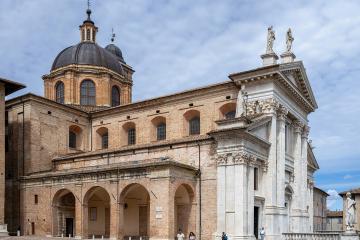
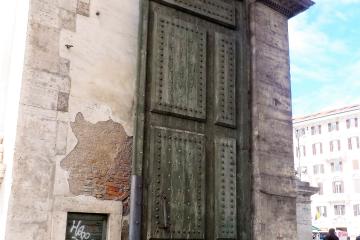
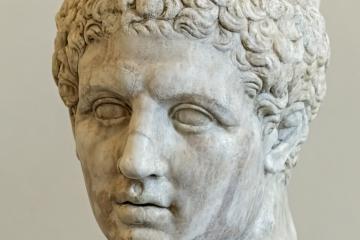
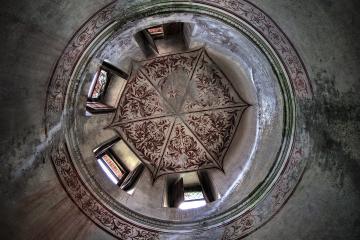
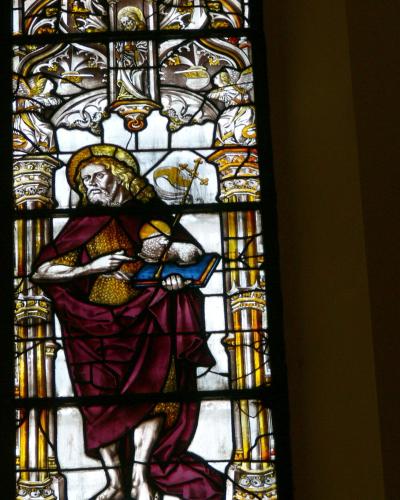
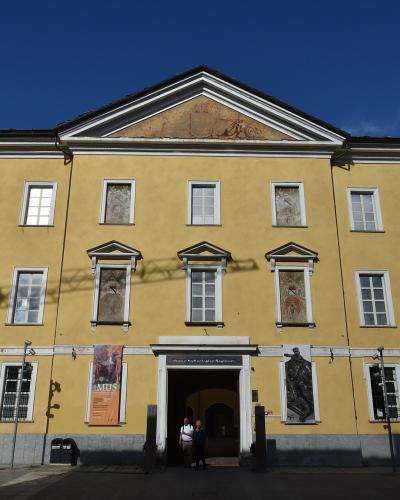
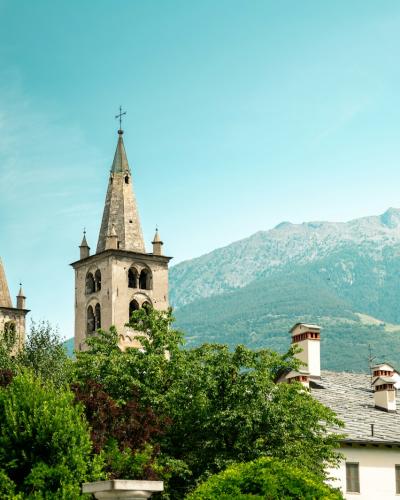
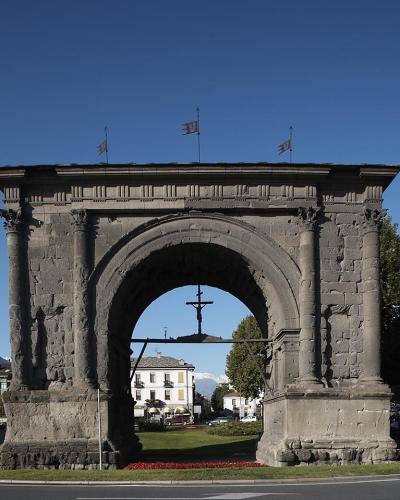
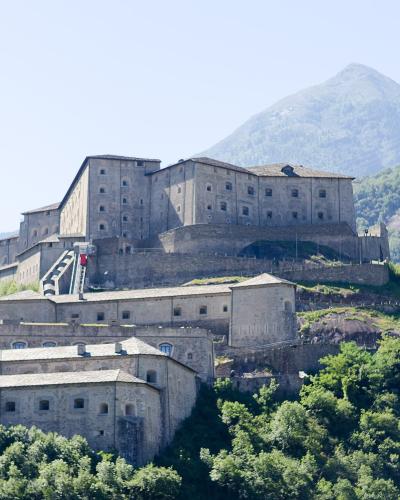
The main attractions in Aosta are centered around its Roman ruins and historic center. The Arch of Augustus, built in 7 BC, is the oldest Roman arch in Italy and a symbol of the city. The Roman Amphitheater, one of the best-preserved in Europe, still hosts events today. The Temple of Mars, a well-preserved Roman temple, is another significant landmark. The city walls and gates, including the Porta Praetoria and Porta Jovis, encircle the historic center. The Castello di Aosta, a medieval fortress, offers panoramic views of the city and the surrounding mountains. The Cathedral of Saint John the Baptist houses a famous bronze door and a crypt. The city also features the Museum of Archaeology, which displays artifacts from the Roman period and the prehistoric era.
Activities in Aosta include exploring the Roman sites, visiting museums, and enjoying alpine sports. The city is known for its traditional Alpine cuisine, including fondue, polenta, and local cheeses like Fontina. Visitors can take guided tours to learn about the history of the Roman colony and the medieval period. The nearby slopes of Pila offer skiing and snowboarding in winter, while summer brings hiking, mountain biking, and climbing opportunities in the surrounding Alps. Aosta also hosts various festivals, including the Sant'Orso Fair, a medieval market, and the Aosta Film Festival. Shopping includes local wool products, ceramics, and food items. For those interested in history, guided tours are available to explore the Roman and medieval heritage of the city.
Getting to Aosta is convenient via road and rail. The city is accessible by car from Turin, approximately 110 kilometers away, via the A5 motorway. Aosta is also connected by train to Turin and Milan. The nearest airports are Turin Airport and Geneva Airport in Switzerland. The best time to visit Aosta is from June to September for hiking and outdoor activities, or December to March for skiing. July and August are peak summer months, while December and January are peak winter months. Despite the seasonal variations, Aosta’s rich history and alpine setting make it a rewarding destination year-round.
Best Time to Visit
Visit between June and September for hiking or December and March for skiing.
Did you know?
Interesting, verified facts about Aosta
Aosta Has Another Verifiable Detail
Food & DrinkAosta provides visitors with a unique blend of archaeological exploration, winter sports access, and culinary traditions typical of the Alpine region, making it a gateway to both ancient history and modern outdoor recreation.
Source: Aosta - WikipediaAosta Has a Distinct Local Story
HistoryAosta is the capital city of the Aosta Valley region in northwestern Italy, situated in the Alps near the entrances to the Mont Blanc and Great St.
Source: Great St Bernard PassPlan Your Visit to Aosta
Essential travel tips and information for your trip to Aosta.
Suggested Itineraries
Travel Tips
Currency
EUR • Cards widely accepted
Language
Italian • English in tourist areas
WiFi
Free WiFi in cafes and hotels
Explore Aosta by Interest
Discover attractions and experiences in Aosta organized by your interests and travel preferences.
All attractions in Aosta
Sorted by our recommendation score
Quick Facts
Book your stay
Frequently Asked Questions
More destinations in Piedmont and Aosta Valley
Explore other amazing places in the Piedmont and Aosta Valley region