







- Where
- Aosta, Piedmont and Aosta Valley
- Directions
- Directions
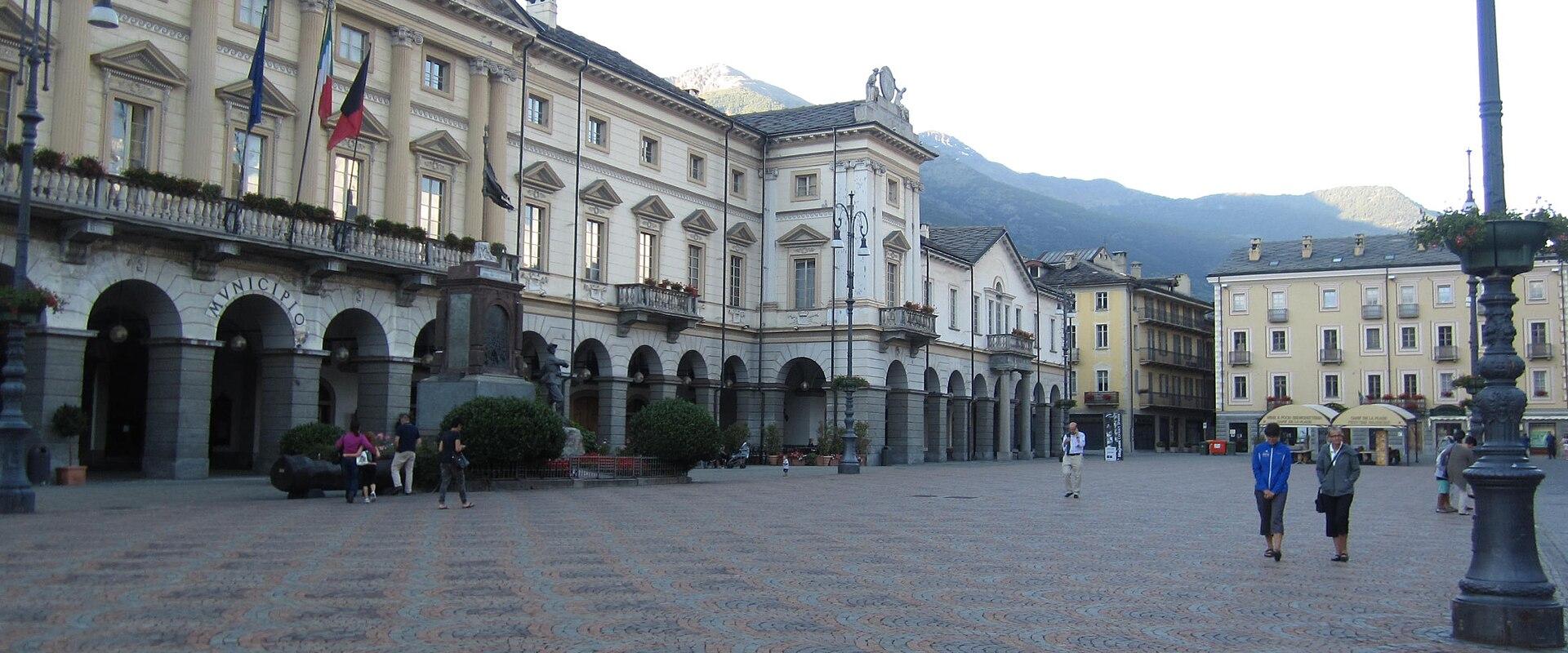
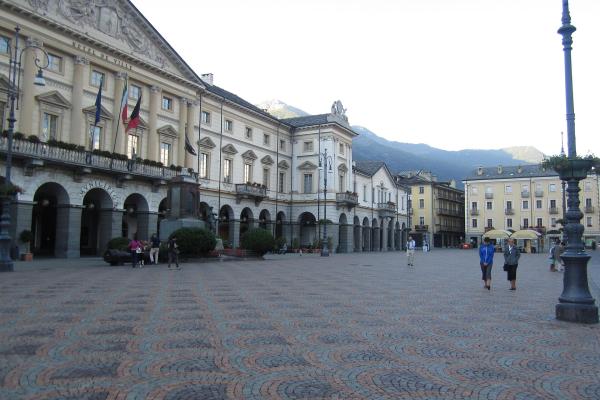
Piazza Émile Chanoux is the main square of Aosta, a long rectangle in the middle of the old town where the city's civic life comes together. The two streets that follow the line of the Roman decumanus maximus, Via de Tillier to the west and Via Porta Pretoria to the east, both start here, along with Via Hôtel des États, Via Xavier de Maistre and Viale Conseil des Commis. The square was once named after King Charles Albert of Savoy and is now dedicated to Émile Chanoux, a notary and partisan who coordinated the Committee of National Liberation in Aosta during the Second World War.
The site has a long history. In 1352 Amadeus VI of Savoy founded the monastery of San Francesco here, with a church of three aisles, a bell tower almost 40 metres high and a cloister. It survived largely unchanged until 1835, when work began on a new town hall. The last parts of the monastery were demolished the following year, and the bell tower was brought down with explosives. The smaller square north of the town hall is still called Piazza San Francesco.
The north side is dominated by the town hall, the Hôtel de Ville, built between 1835 and 1841 in Neoclassical style to a design by the architect Michelangelo Bossi. Its south facade looks onto the square, with a decorated pediment and two statues at its base representing the two rivers of Aosta, the Dora Baltea and the Buthier. A clock tops the western part of the roof and a sundial the eastern part. Next to it, the Hôtel des États was built in the early 18th century as a single-storey building and later raised. It housed the assembly of the Estates General and the Conseil des Commis, the local legislative body under the House of Savoy, and today it hosts temporary exhibitions.
On the south side stood the Hôtel de la Couronne et de la Poste, once one of the grandest hotels in the Aosta Valley, and the house where the writer Xavier de Maistre lived. Under the arcades of the town hall is the Caffè Nazionale, a historic café opened in the mid-19th century with a round Gothic-style room. A monument to the Valdostan soldier, unveiled in 1924, stands in the square.
The square suits anyone starting a walk through Aosta, and it is the natural meeting point between the Roman sites to the east and the shopping streets to the west.
More photos coming soon
Nearby Attractions
Other places to visit in Aosta
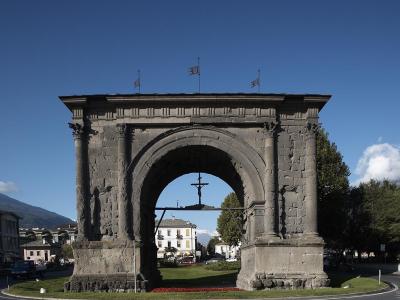
Arch of Augustus
25 BC triumphal arch with mixed Corinthian-Doric styles
History & Heritage · Urban Exploration
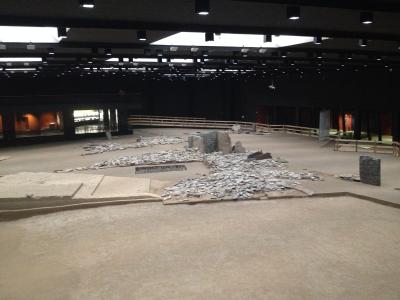
Area Megalitica di Saint-Martin-de-Corléans (MegaMuseo)
Prehistoric sacred site and tombs found in 1969, now a museum
Ancient Ruins · Archaeological Museums
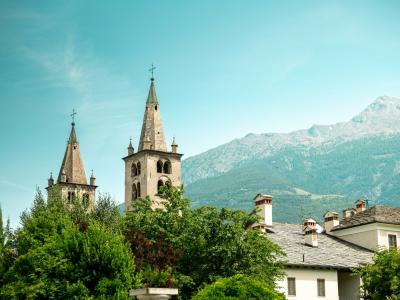
Basilica of Saint Ours
9th-century basilica with 12th-century Romanesque cloister
Architectural Monuments · Historic Churches
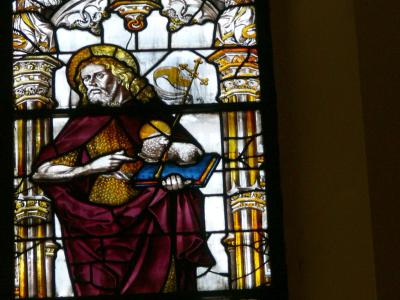
Cathedral of Saint John the Baptist
11th-century Romanesque cathedral with 11th-century frescoes
Architectural Monuments · Historic Churches
Questions people ask
Quick Facts
Best Time to Visit
Visit between June and September for hiking or December and March for skiing.