







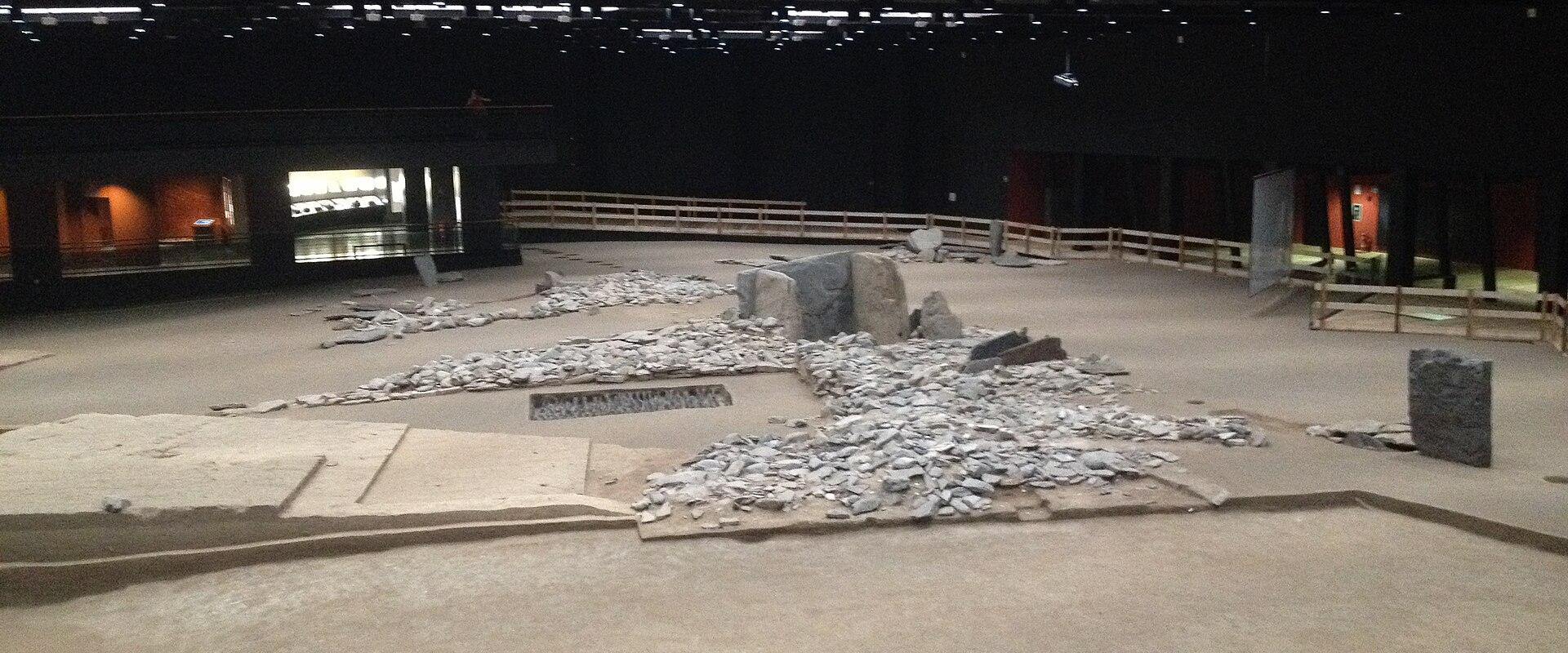
Area Megalitica di Saint-Martin-de-Corléans (MegaMuseo)
Prehistoric sacred site and tombs found in 1969, now a museum
- Where
- Aosta, Piedmont and Aosta Valley
- Directions
- Directions
The Area Megalitica di Saint-Martin-de-Corléans, also called the MegaMuseo, is one of the most important prehistoric sites in the Alps. It lies in the western district of Aosta, about six metres below today's street level, and covers some 10,000 square metres. The site records more than 6,000 years of human use, from the late Neolithic through the Copper, Bronze and Iron Ages to Roman and medieval times.
It was found by chance in June 1969, when bulldozers clearing ground for new apartment buildings near the medieval church of Saint-Martin, first recorded in 1176, struck the top of a decorated stone stele. The archaeologists Franco Mezzena and Rosanna Mollo Mezzena of the regional heritage office recognised it and stopped the works, the Aosta Valley regional government bought the land, and excavation campaigns went on every year for more than two decades, with further digs in 2001 and from 2006 to 2008. Mezzena coined the term megalithic area for the site, which has close parallels with Le Petit-Chasseur at Sion in Switzerland.
At first the site was an open-air sanctuary used for repeated rituals linked to farming. Archaeologists found the furrows of ritual ploughing, cylindrical pits, lines of holes left by wooden posts set on precise alignments, and anthropomorphic stelae, standing stones carved with human features, weapons and clothing. Only in the last centuries of the 3rd millennium BC did it become a cemetery, with monumental tombs including dolmens and stone cists, some of them built by reusing the stelae. Around 2200 BC, at the start of the Bronze Age, the ritual use faded, and later the land was farmed for more than a thousand years. The size of the sanctuary suggests an important settlement nearby, but it has not yet been found.
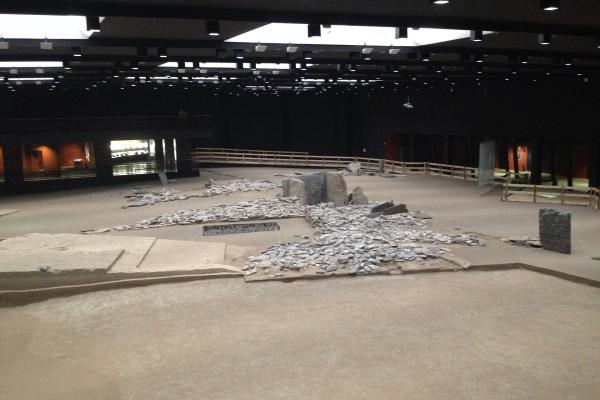
The museum built over the excavation opened on 24 June 2016. A large hall with steel trusses spanning more than 46 metres covers the dig, so visitors walk above and beside the original ground surface and the stelae are displayed in context. The scale is impressive, and the presentation explains a period that is otherwise hard to picture.
The site suits visitors with an interest in prehistory and archaeology, families with curious older children, and anyone who has already seen Aosta's Roman monuments and wants to go back much further in time.
Categories
More photos coming soon
Nearby Attractions
Other places to visit in Aosta
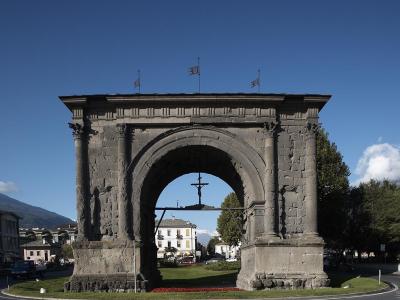
Arch of Augustus
25 BC triumphal arch with mixed Corinthian-Doric styles
History & Heritage · Urban Exploration
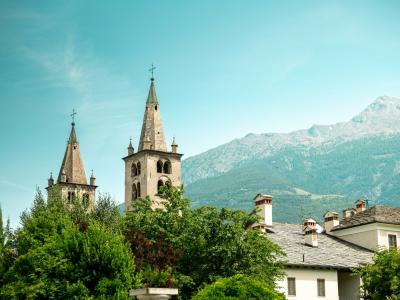
Basilica of Saint Ours
9th-century basilica with 12th-century Romanesque cloister
Architectural Monuments · Historic Churches
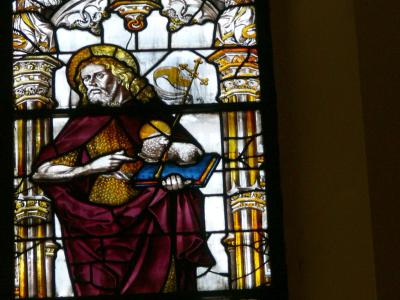
Cathedral of Saint John the Baptist
11th-century Romanesque cathedral with 11th-century frescoes
Architectural Monuments · Historic Churches
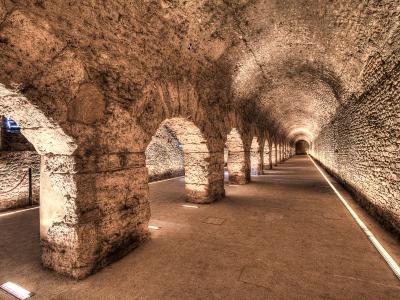
Criptoportico Forense (Roman Cryptoporticus)
Underground Roman gallery that held up Aosta's forum temples
History & Heritage · Ancient Ruins
Questions people ask
Quick Facts
Best Time to Visit
Visit between June and September for hiking or December and March for skiing.