







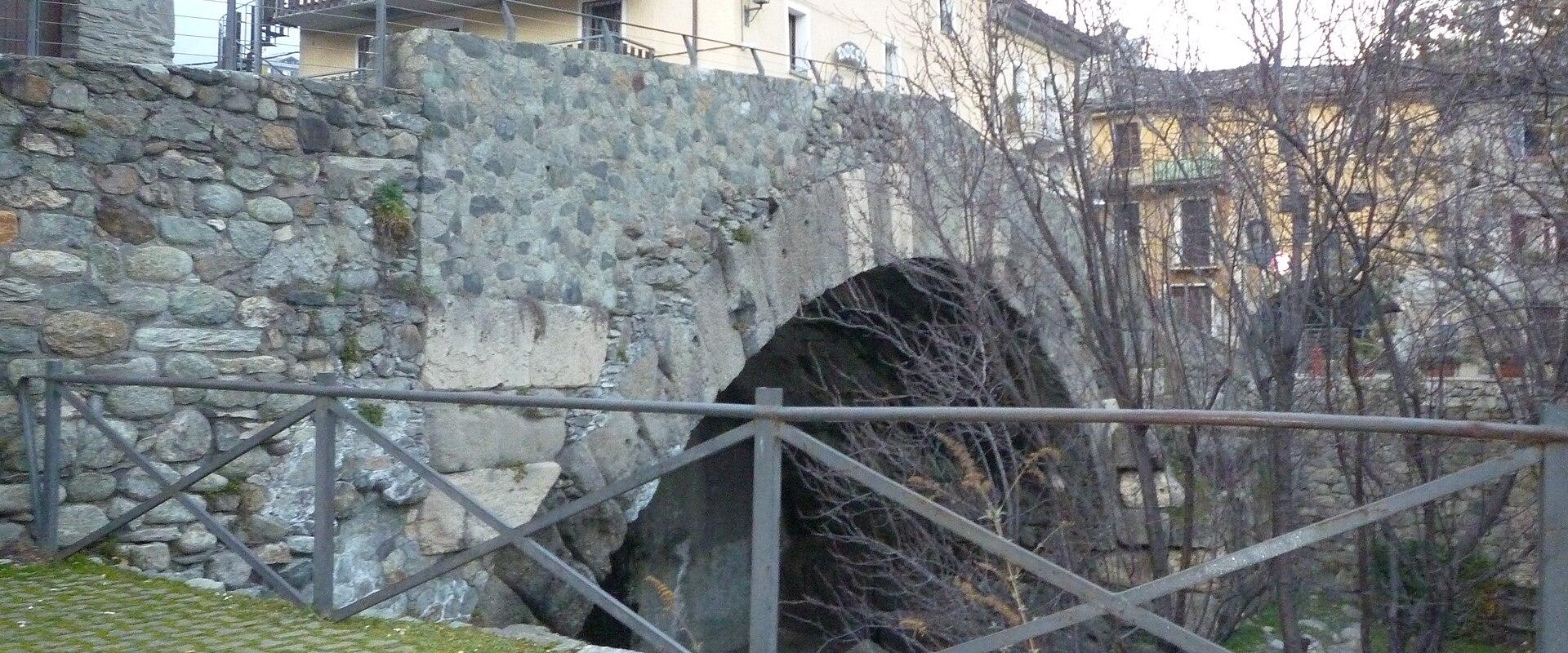
Ponte di Pietra (Roman Bridge)
Augustan bridge left high and dry when the Buthier moved
- Where
- Aosta, Piedmont and Aosta Valley
- Directions
- Directions
The Ponte di Pietra, the stone bridge or Pont de Pierre in French, is a Roman bridge about 150 metres east of the Arch of Augustus in Aosta. It was built when the Roman colony of Augusta Praetoria was founded, to carry the road across the Buthier torrent, and it is one of the most curious Roman monuments in the town because no river runs under it any more.
The bridge dates from the later part of the reign of Augustus, who founded the colony in 25 BC as an important road junction. Aosta controlled the Via delle Gallie, the consular road that led from the Po plain into Gaul and divided here towards the Little and the Great St Bernard passes, and the bridge was part of that road network. Further down the valley, at the exit of the Aosta Valley, the same road crossed another Roman arch bridge at Pont-Saint-Martin, which is still well preserved.
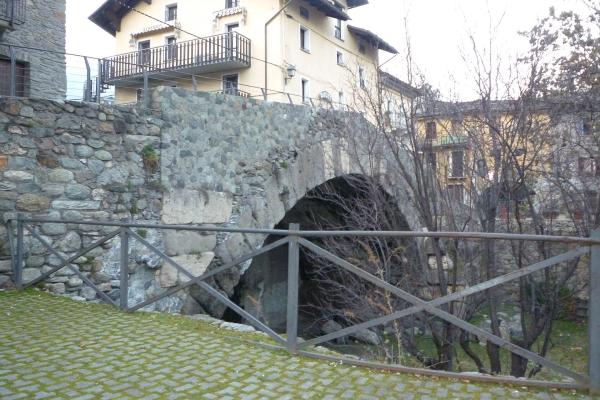
It is a single segmental arch with a span of about 17 metres between the abutments and a roadway around 6 metres wide including the parapets. The arch is unusually flat for Roman construction, with a span roughly three times its height. The foundations and outer facing are of puddingstone, a local conglomerate quarried along the Dora Baltea, and the space behind the arch was filled with high-quality Roman concrete. The large wedge-shaped voussoirs of the vault can be seen clearly from below.
In the Middle Ages an exceptional flood changed the course of the Buthier, shifting its bed further west. Only a small channel continued to flow under the bridge, and in time it dried up completely. The bridge lost its purpose and was gradually buried by the rising ground over the centuries, until it was dug out again in modern times. Today it sits in a hollow below the level of the surrounding streets, with the old dry riverbed visible beneath its arch.
The bridge is free to see at any time and is a short walk from the Arch of Augustus and the Collegiate Church of Saint Ours, so it fits easily into a tour of the Roman and medieval east side of Aosta. It suits anyone interested in Roman engineering and in how rivers reshape towns over the centuries.
Categories
More photos coming soon
Nearby Attractions
Other places to visit in Aosta
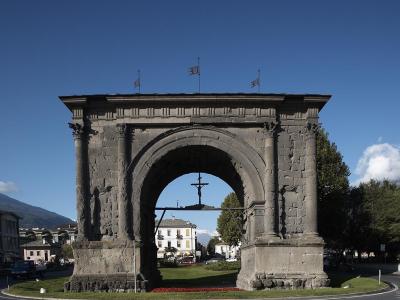
Arch of Augustus
25 BC triumphal arch with mixed Corinthian-Doric styles
History & Heritage · Urban Exploration
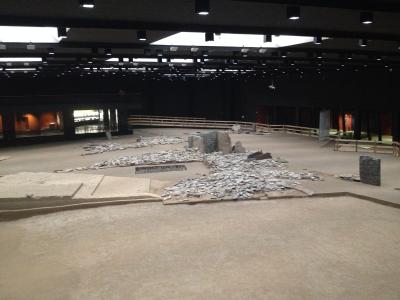
Area Megalitica di Saint-Martin-de-Corléans (MegaMuseo)
Prehistoric sacred site and tombs found in 1969, now a museum
Ancient Ruins · Archaeological Museums
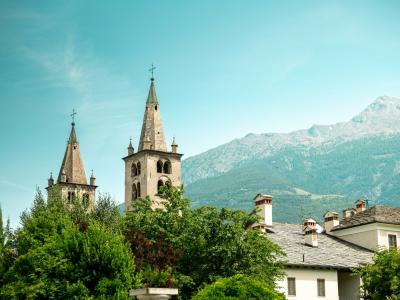
Basilica of Saint Ours
9th-century basilica with 12th-century Romanesque cloister
Architectural Monuments · Historic Churches
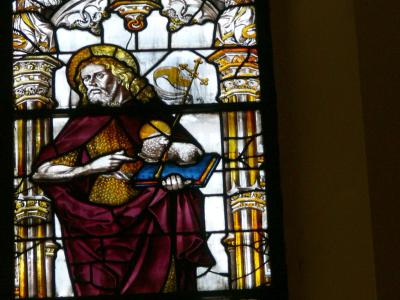
Cathedral of Saint John the Baptist
11th-century Romanesque cathedral with 11th-century frescoes
Architectural Monuments · Historic Churches
Questions people ask
Quick Facts
Best Time to Visit
Visit between June and September for hiking or December and March for skiing.