







- Where
- Aosta, Piedmont and Aosta Valley
- Directions
- Directions
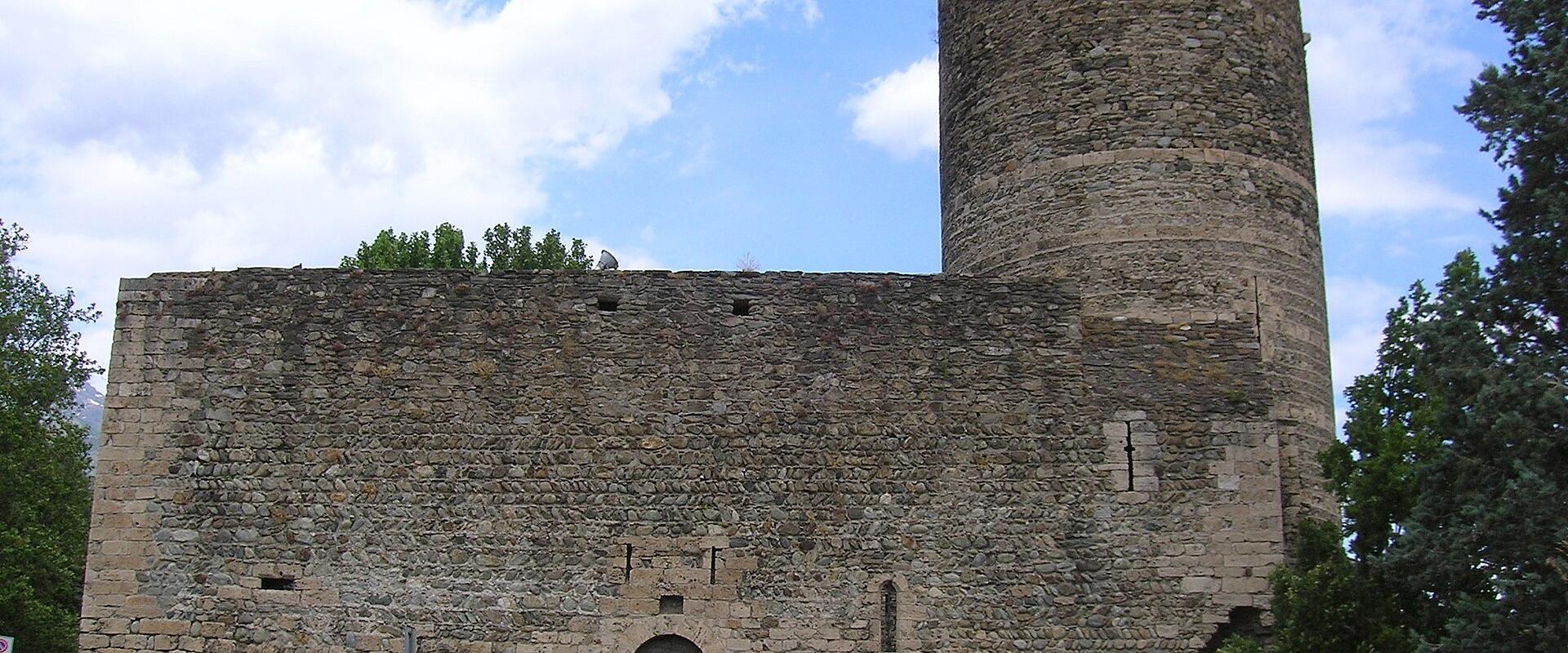
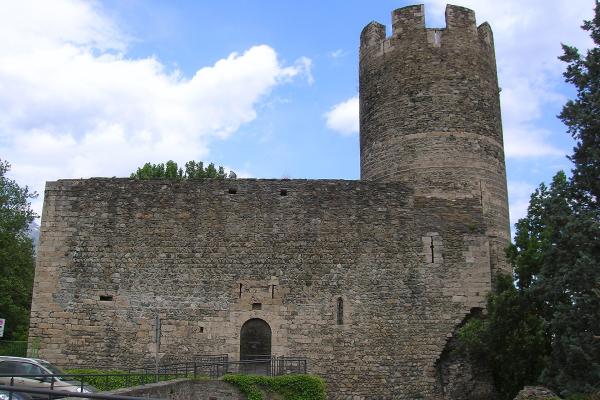
The Torre di Bramafam, also called the Castello di Bramafam and occasionally the castle of the viscounts of Aosta, is the ruin of a medieval castle on the southern stretch of the Roman walls, at the corner of Via Bramafam and Viale Carducci. With its tall round tower and roofless stone hall, it is the most striking of the many towers that rise along the walls of Augusta Praetoria.
The castle stands on the site of the porta principalis dextera, one of the side gates of the Roman town, and at the base of the round tower sections of the original Roman wall can still be seen, together with the sloping medieval batter on the south side. In the early 13th century a tower here was known as the Tour Béatrix, a name it took when Beatrice of Geneva married Godfrey I of Challant in 1223. The present ruins probably date from the second half of the 13th century. The castle was the seat of the viscounts of Aosta, ancestors of the powerful Challant family, who controlled the whole south-western stretch of the walls.
Its later history was turbulent. In 1253 it was sacked by James of Quart. In 1295 Ebal I of Challant ceded it to Count Amadeus V of Savoy, together with the title of viscount, in exchange for the fief of Montjovet, although the Challant kept some rights over the ruins as late as the 18th century. The building changed hands many times and was used over the years as a court, a coal store and a granary. By the 16th century, when the viscounts' notarial functions had passed to ordinary notaries, the castle had already fallen into ruin. Restoration work at the end of the 19th century uncovered part of the Roman road and other finds.
The complex consists of a large rectangular residential block, with two-light windows on the north side, and the adjoining cylindrical tower with Guelph battlements and narrow arrow slits. Unusually for castles in the valley, the water cistern was built against the south side of the main building instead of underground.
The name comes from the Valdostan patois bramé la fam, to cry with hunger. One legend tells of a Challant wife locked inside and left to starve out of jealousy; a more common explanation is that in times of famine the townspeople gathered below the tower to beg for the grain stored inside. The ruin is seen from the street and suits anyone walking the circuit of the Roman walls.
Categories
More photos coming soon
Nearby Attractions
Other places to visit in Aosta
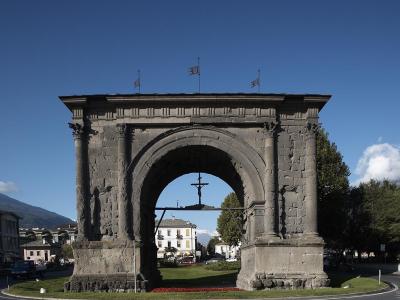
Arch of Augustus
25 BC triumphal arch with mixed Corinthian-Doric styles
History & Heritage · Urban Exploration
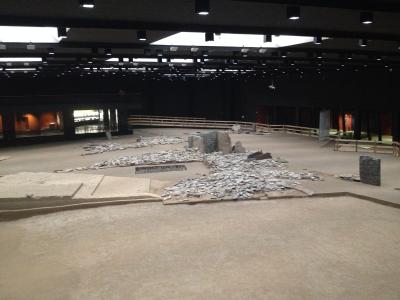
Area Megalitica di Saint-Martin-de-Corléans (MegaMuseo)
Prehistoric sacred site and tombs found in 1969, now a museum
Ancient Ruins · Archaeological Museums
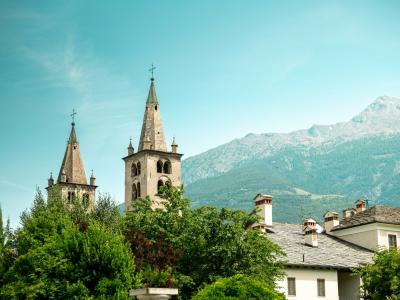
Basilica of Saint Ours
9th-century basilica with 12th-century Romanesque cloister
Architectural Monuments · Historic Churches
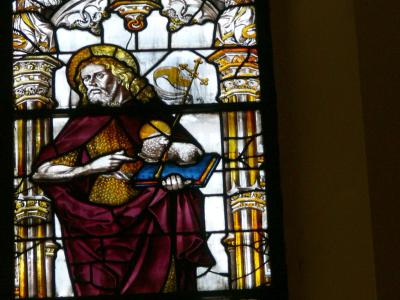
Cathedral of Saint John the Baptist
11th-century Romanesque cathedral with 11th-century frescoes
Architectural Monuments · Historic Churches
Questions people ask
Quick Facts
Best Time to Visit
Visit between June and September for hiking or December and March for skiing.