







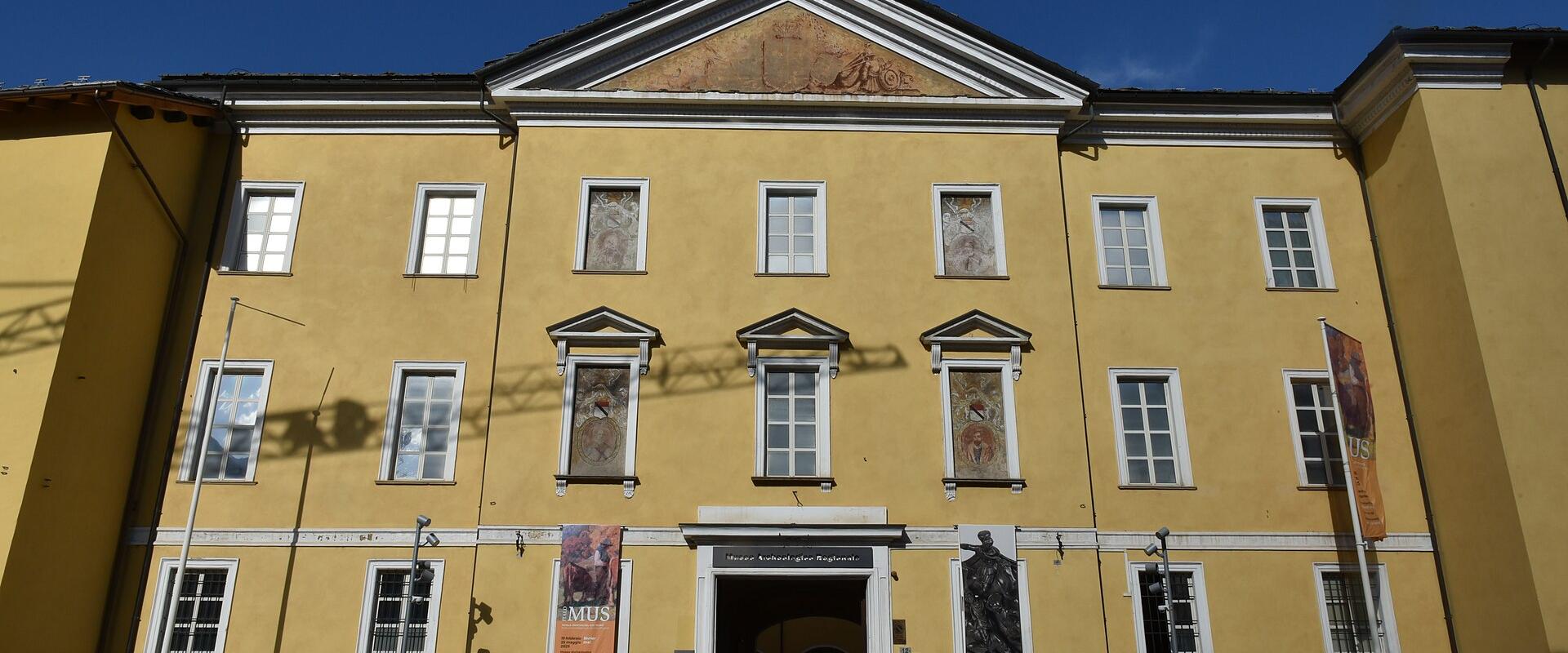
Museo Archeologico Regionale
Roman ruins beneath a museum exploring 5,000 years of his...
- Admission
- Requires Aosta Archeological cumulative ticket
- Hours
- October–March: 10:00–13:00 and 14:00–18:00; April–September: 09:00–19:00; Closed Dec 25 an...
- Where
- Aosta, Piedmont and Aosta Valley
- Directions
- Directions
The Museo Archeologico Regionale, known as the MAR, is the regional archaeological museum of Aosta, in the Aosta Valley, in the far north-west of Italy, and it is dedicated to the archaeology of the ancient Roman city of Augusta Prætoria. Located at Piazza Roncas 12, in the north-east part of the old town, the building was constructed on top of the Roman Porta Principalis Sinistra, the left-hand side gate of the Roman city, whose foundations and a lower stretch of its wall can be seen beneath the modern structure. The museum covers more than 5,000 years of regional history, from the first farmers and herders of the Alpine valleys to the early medieval period.
The museum has a long history. Its origins go back to the Royal Museum of Antiquity, established in 1929 under the archaeologist Pietro Barocelli, who directed the excavation of Roman Aosta during the Fascist period and established the first display of finds. The present museum opened in 2004 and was renovated in 2010, with a modern layout that lets visitors walk through the layers of the city's past. It is part of a circuit of archaeological sites in Aosta.
Augusta Prætoria was founded in 25 BC by Emperor Augustus, after the defeat of the local Salassi tribe, as a military colony and a stronghold at the entrance to the Alpine passes of the Great and Little Saint Bernard, which led to Gaul. The city was laid out on a rigid grid, with walls, gates, a forum, a theatre and an amphitheatre, and it was designed to control the roads over the Alps. Much of that plan survives in the street pattern, and the city is sometimes called the Rome of the Alps. The museum explains this history with models, inscriptions, sculpture, glass, ceramics, jewellery and everyday objects, and its displays set the Roman town in a longer story that includes prehistory and the Early Christian period.
The most unusual part is the underground exhibit under the building, which gives access to the Roman remains in place. The Roman Cryptoporticus, the underground arcaded gallery of the forum, called the Criptoportico Forense, is another site in the circuit, a long vaulted corridor that supported the temples above. Remains of the Early Christian Church of San Lorenzo, a fifth-century building, can also be visited nearby, and the Arch of Augustus and the Porta Prætoria, the main gate, mark the Roman city's boundaries.
Access requires the Aosta Archeological cumulative ticket, which also grants entry to the MegaMuseo, the display at the megalithic area of Saint-Martin-de-Corléans, a prehistoric site with stone stelae and burial structures, and to the Roman theatre, the Forensic Cryptoporticus and other monuments. Opening hours vary by season, with longer days in the warm months, and the museum is closed on 25 December and 1 January. Check the official schedule.
Allow about an hour and a half, and combine the visit with a walk through the Roman remains of the city. The Cathedral and the Collegiate Church of Sant'Orso are close, and the snow-capped mountains rise above every street. Wear warm clothing in the cooler months.
Categories
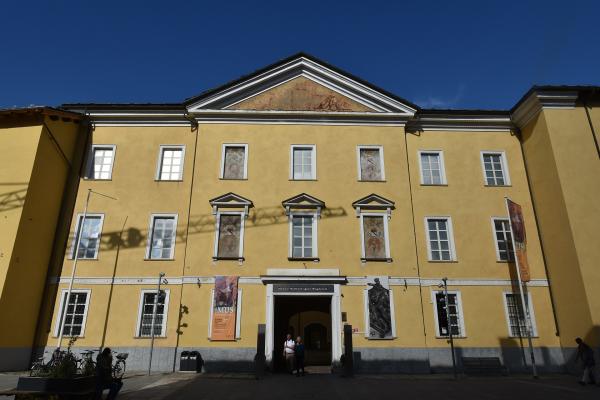
More photos coming soon
Hours & Fees
- Open
- October–March: 10:00–13:00 and 14:00–18:00; April–September: 09:00–19:00; Closed Dec 25 and Jan 1
- Admission
- Requires Aosta Archeological cumulative ticket
Hours and prices change, especially out of season. Check with the venue before you go.
Nearby Attractions
Other places to visit in Aosta
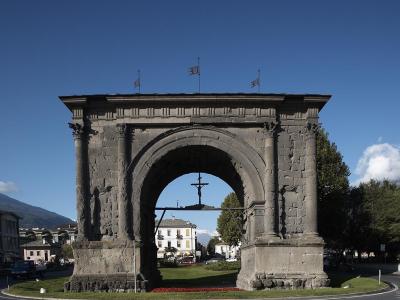
Arch of Augustus
25 BC triumphal arch with mixed Corinthian-Doric styles
History & Heritage · Urban Exploration
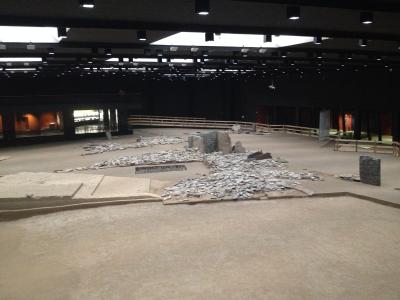
Area Megalitica di Saint-Martin-de-Corléans (MegaMuseo)
Prehistoric sacred site and tombs found in 1969, now a museum
Ancient Ruins · Archaeological Museums
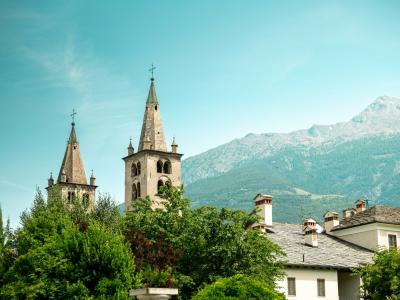
Basilica of Saint Ours
9th-century basilica with 12th-century Romanesque cloister
Architectural Monuments · Historic Churches
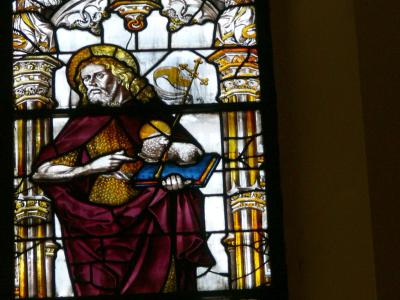
Cathedral of Saint John the Baptist
11th-century Romanesque cathedral with 11th-century frescoes
Architectural Monuments · Historic Churches
Questions people ask
Quick Facts
Requires Aosta Archeological cumulative ticket
Best Time to Visit
Visit between June and September for hiking or December and March for skiing.