







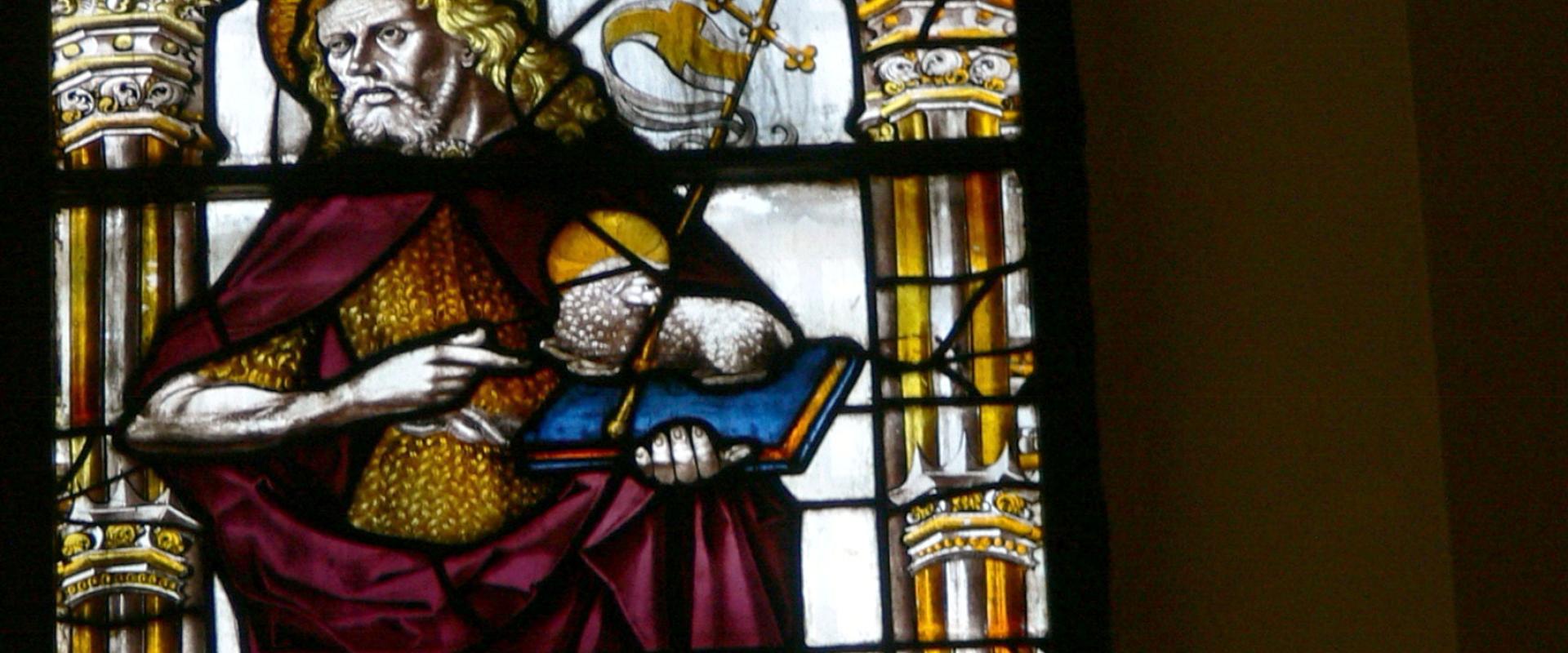
Cathedral of Saint John the Baptist
11th-century Romanesque cathedral with 11th-century frescoes
- Where
- Aosta, Piedmont and Aosta Valley
- Directions
- Directions
The Cathedral of Saint John the Baptist, officially known as the Cathedral of the Assumption of Mary and Saint John the Baptist, is in the center of Aosta, Italy, the capital of the Aosta Valley, a short walk from the Roman forum and the Roman theatre. Consecrated in 1025, it is the bishop’s seat of the diocese of Aosta and is one of the most important examples of sacred art in the Aosta Valley. The cathedral stands on a primitive Romanesque building from the 11th and 12th centuries. Only the two apsidal bell towers from this original structure remain visible today, rising behind the choir, and they are among the oldest parts of the city’s skyline. The cathedral is on the site of an early Christian church, in turn built on a Roman building, since Aosta, the ancient Augusta Praetoria, was a Roman colony, and fragments of its Roman past appear throughout the area.
A significant feature of the cathedral is an important cycle of frescoes painted between 1030 and 1040, located in the attic. These frescoes were recovered between 1986 and 1991, revealing early medieval artistic heritage. They are in the Ottonian style, a monumental, rather formal manner of painting of the early 11th century, which shows the influence of the German emperors, who ruled this area, and they are among the oldest and best-preserved wall paintings in the Alpine area. The church underwent renovations from the 15th century onwards, blending architectural styles from different eras. The facade has a Renaissance porch, with arches, from the early 16th century, decorated with painted scenes and fine terracotta ornaments, while the interior has Gothic vaults. The building is a monument of great historical and artistic value, reflecting the religious and cultural history of the region.
Inside, a number of treasures reward a visit. The choir has carved wooden stalls of the 15th century, with detailed figures and decoration, which are among the finest in the Alps. A mosaic floor in the choir, of the 12th century, shows scenes of the months and the zodiac, and a number of tombs, including that of a count of Savoy, Thomas II, can be seen. A medieval cloister, with Gothic arches, lies next to the church, and the cathedral treasury, in the museum, holds precious objects of gold and silver, ivory diptychs and reliquaries, including pieces from the Roman and early medieval period. It is advisable to check local tourism resources for current schedules, particularly if visiting during mass times, because the cathedral is the main church of the diocese and is often in use, and the treasury and the attic are visited on separate tickets or guided tours.
Exploring the Cathedral of Aosta offers insight into the region’s medieval heritage. It is an essential stop to appreciate the area’s architectural legacy. The combination of historical depth and artistic beauty makes it a memorable destination. It complements visits to other landmarks in Aosta, such as the Roman Theatre and the Arch of Augustus, providing a view of the city’s identity. Visitors are advised to dress modestly when visiting and to take time to appreciate the serene atmosphere of the interior, and to combine the visit with the Collegiate Church of Sant’Orso, at the other end of the old town, which has its own frescoes and a famous cloister.
Categories
More photos coming soon
Nearby Attractions
Other places to visit in Aosta
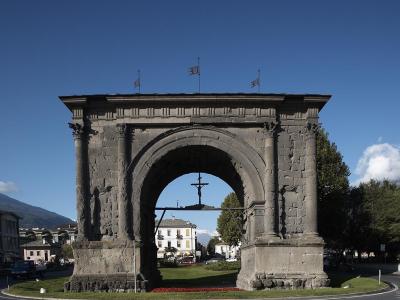
Arch of Augustus
25 BC triumphal arch with mixed Corinthian-Doric styles
History & Heritage · Urban Exploration
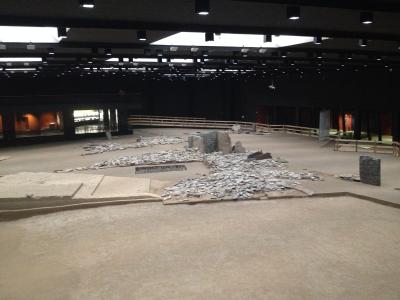
Area Megalitica di Saint-Martin-de-Corléans (MegaMuseo)
Prehistoric sacred site and tombs found in 1969, now a museum
Ancient Ruins · Archaeological Museums
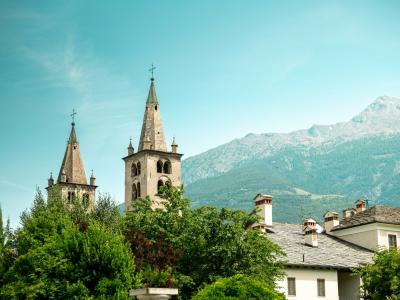
Basilica of Saint Ours
9th-century basilica with 12th-century Romanesque cloister
Architectural Monuments · Historic Churches
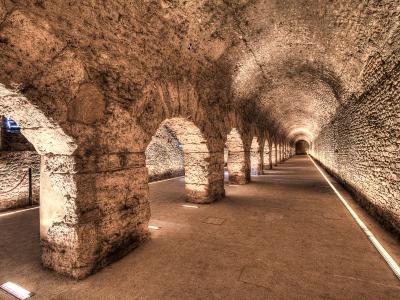
Criptoportico Forense (Roman Cryptoporticus)
Underground Roman gallery that held up Aosta's forum temples
History & Heritage · Ancient Ruins
Questions people ask
Quick Facts
Best Time to Visit
Visit between June and September for hiking or December and March for skiing.