







Alba
Historic Piedmont town in Langhe known for truffles and Barolo wine
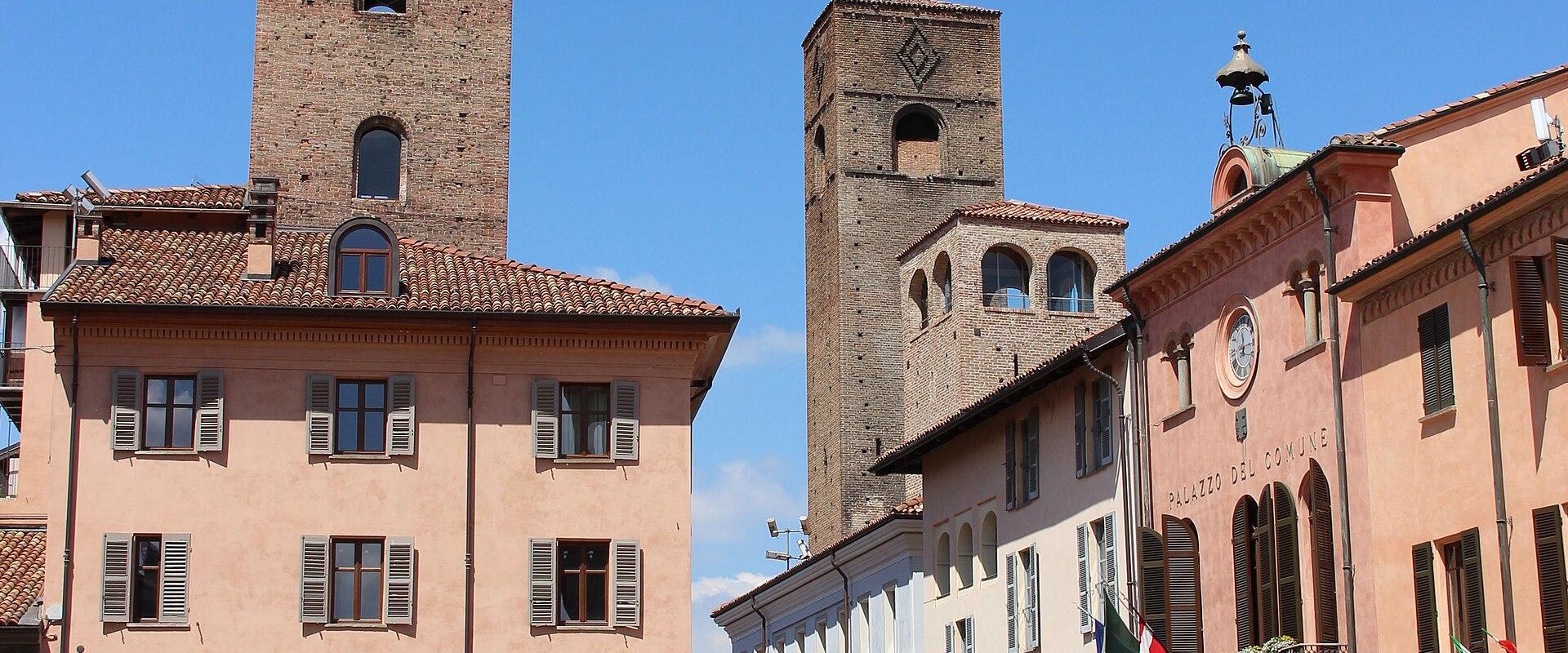
Alba’s history dates back to Roman times, when it was known as Alba Pompeia. The town flourished during the Middle Ages as a free commune, often in conflict with neighbouring cities such as Asti and Cuneo. In the 13th and 14th centuries Alba came under the influence of the Marquisate of Saluzzo and later the House of Savoy. This period saw the construction of many of its historic buildings; the best known of Alba’s medieval towers today include the Torre Sineo and the Torre Astesiano, rising above the old streets. The town’s strategic location in the Langhe region made it a centre for agriculture and trade, particularly for wine and truffles. Alba has preserved its medieval layout, with narrow streets and traces of fortified walls, reflecting its historical importance. Today the town is celebrated for its culinary traditions, hosting the annual White Truffle Fair, which attracts food enthusiasts from around the world. The region’s wine production, especially Barolo and Barbaresco, has gained international acclaim, making Alba a hub for food and wine tourism.
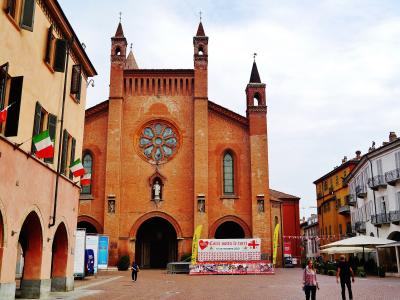
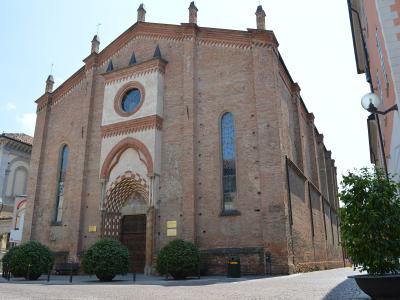
The main attractions are centred on the historic centre and the culinary experiences. The medieval towers offer a sense of the old skyline, and the surrounding hills and vineyards can be seen from higher points. The Palazzo Comunale is a notable building in the old town. The Cattedrale di San Lorenzo, the Alba Cathedral, stands on the Piazza Risorgimento, the main square and is the seat of the diocese. The Chiesa di San Domenico is a historic church with origins in the late Middle Ages. The historic centre has narrow streets lined with shops, cafes, and restaurants serving traditional Piedmontese cuisine. The Alba White Truffle Fair, held each year in October and November, is the town’s most significant event, with markets, tastings, and cultural events. In early autumn the town also hosts a lively donkey race, a medieval-style pageant.
The surrounding Langhe region has many wine estates and truffle-hunting experiences. Visitors can explore the nearby towns of Barolo and Barbaresco, famous for their wine production, and the hill villages of the Langhe, with their castles and cellars.
Activities in Alba include wine tasting, truffle hunting, and exploring the historic sites. The town is known for traditional Piedmontese dishes, including agnolotti, tajarin (thin egg pasta), and braised meats, and for local wines such as Barbera d'Alba and Dolcetto d'Alba. Visitors can take guided tours to learn about the region’s wine-making traditions and truffle harvesting. The surrounding hills offer hiking and cycling, with scenic routes through vineyards and hazelnut groves. Alba also hosts festivals and events through the year, celebrating its culinary heritage. Shopping includes local ceramics, textiles, and food products. For those interested in history, guided tours explore the town’s medieval and Renaissance heritage.
Getting to Alba is easiest by road. The town is reached by car from Turin, about 80 kilometres away, via the A6 motorway and local roads. Rail service to the town is limited, so the nearest main stations are in Cuneo and Asti, with bus connections to Alba. For those flying, the nearest airports are in Turin and Milan.
The best time to visit Alba is from September to November, particularly during the White Truffle Fair, when the weather is mild and the culinary events are in full swing. Spring and early summer also offer pleasant weather for exploring the vineyards. Winter is cold but provides a cosy atmosphere for indoor dining and wine tasting. Despite the seasonal variations, Alba’s rich culinary and cultural offerings make it a rewarding destination year-round.
Best time to visit
Visit between September and November for the White Truffle Fair and mild weather.
What to see in Alba
Our picks first.
Alba by interest
The same sights, grouped by what you came for.
Planning a visit to Alba
Good to know
- Currency
- EUR
- Language
- Italian
Quick Facts
Book your stay
Questions people ask
More places in Piedmont and Aosta Valley
Piedmont and Aosta Valley
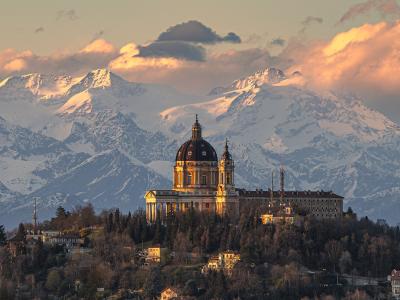
Turin
Former Italian capital with Egyptian museum and Baroque architecture
Piedmont and Aosta Valley
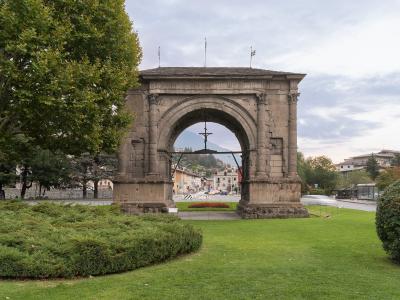
Aosta
Roman capital of Aosta Valley with arches, amphitheater, and alpine access
Piedmont and Aosta Valley
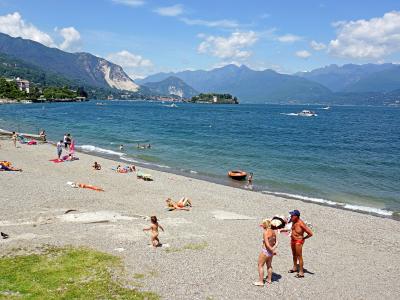
Stresa
Elegant lakeside resort on Lake Maggiore with Borromean Islands
Piedmont and Aosta Valley
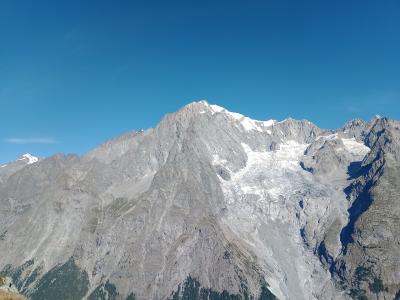
Courmayeur
Alpine resort at Mont Blanc's foot with skiing, hiking, and cable cars