







- Admission
- Included in Museum Pass
- Hours
- Daily 9:00 am to 7:00 pm (summer opening hours)
- Where
- Aosta, Piedmont and Aosta Valley
- Directions
- Directions
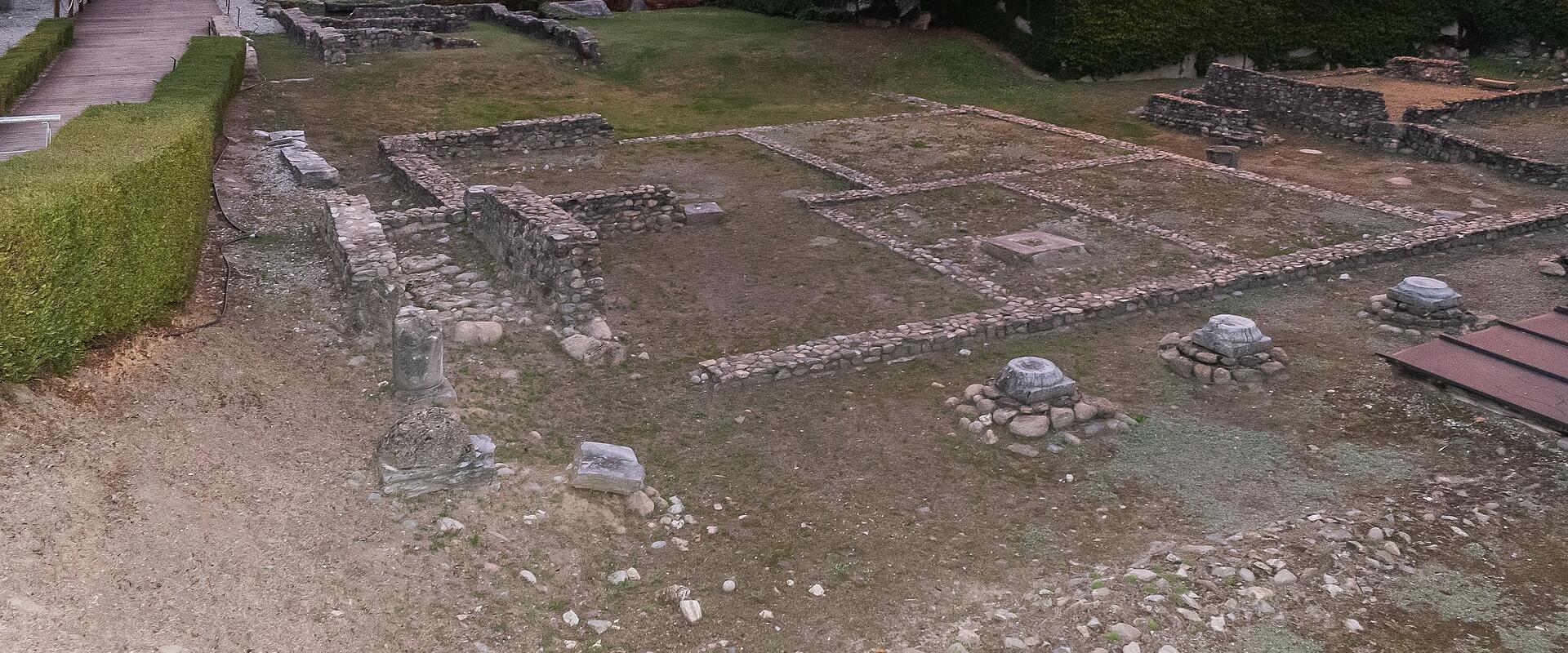
The Roman Theatre of Aosta is one of the city’s most recognizable monuments, standing just inside the line of the old Roman walls near the Porta Prætoria and beside the Decumanus Maximus, the main east-west street of the ancient town. Aosta was founded in 25 BC as Augusta Prætoria, a colony for veterans created after the conquest of the Alpine Salassi people, and it was laid out on a strict grid like a military camp. The theatre belongs to the early years of this city, dating from the first half of the 1st century CE, in the period of the High-Roman-Empire. It is among the best-preserved Roman theatres in northern Italy, which has earned Aosta its nickname as the Rome of the Alps.
The feature that visitors remember is the great facade wall, about 22 meters high, which towers over the roofs of the modern town. It is built of squared stone blocks and pierced by three levels of openings: arched windows on the lower floors and rectangular ones on the upper, with projecting stone corbels that once held wooden masts for an awning. The wall is a rare survivor because most Roman theatres lost their stage buildings. Behind it, a semicircular seating area, the cavea, with room for several thousand spectators in rows divided into sections by social class.
The theatre was part of an entertainment district of Augusta Prætoria, close to the amphitheatre, whose remains survive within a nearby convent complex. Performances here would have included comedies, farces and pantomimes, and the theatre was a social center as much as an artistic one. In late antiquity the building was gradually abandoned, and stones were taken from it for other uses, and later buildings crowded in around it. The ruins were cleared and studied in the 19th and 20th centuries.
Visitors enter through a small gate and walk onto the stage area, from which the facade feels even taller. Climbing the remaining steps gives a view of both the theatre and the surrounding mountains. In summer, the theatre hosts concerts, plays and other events, letting guests experience the atmosphere of an ancient performance in a preserved setting. Opening hours change with the season, and summer hours are longer; entry is included in the regional Museum Pass that covers the archaeological sites of Aosta, so check the current details before you go.
The theatre is easy to include in a walking circuit of Roman Aosta, which also takes in the Arch of Augustus, the Porta Prætoria and the Roman bridge, as well as the Museo Archeologico Regionale. Allow about half an hour. It is part of Aosta’s Roman heritage and of the wider story of the Valle d’Aosta, and suits anyone interested in Roman history and in how an Alpine valley became part of the empire.
Categories
More photos coming soon
Hours & Fees
- Open
- Daily 9:00 am to 7:00 pm (summer opening hours)
- Admission
- Included in Museum Pass
Hours and prices change, especially out of season. Check with the venue before you go.
Nearby Attractions
Other places to visit in Aosta
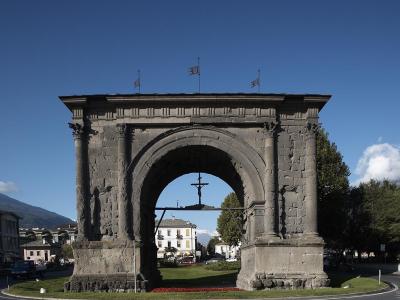
Arch of Augustus
25 BC triumphal arch with mixed Corinthian-Doric styles
History & Heritage · Urban Exploration
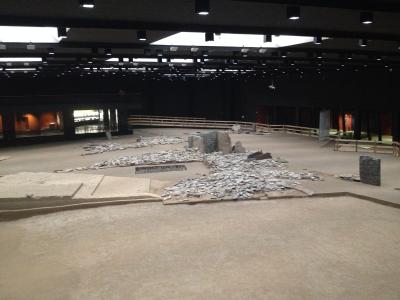
Area Megalitica di Saint-Martin-de-Corléans (MegaMuseo)
Prehistoric sacred site and tombs found in 1969, now a museum
Ancient Ruins · Archaeological Museums
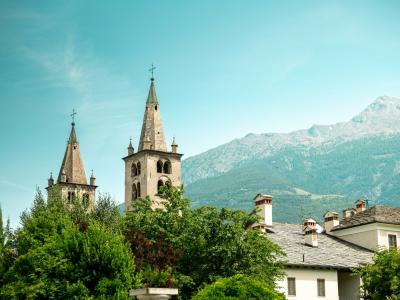
Basilica of Saint Ours
9th-century basilica with 12th-century Romanesque cloister
Architectural Monuments · Historic Churches
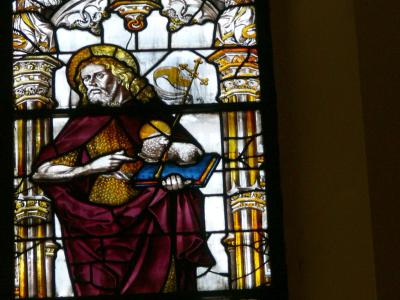
Cathedral of Saint John the Baptist
11th-century Romanesque cathedral with 11th-century frescoes
Architectural Monuments · Historic Churches
Questions people ask
Quick Facts
Best Time to Visit
Visit between June and September for hiking or December and March for skiing.