







- Where
- Aosta, Piedmont and Aosta Valley
- Directions
- Directions
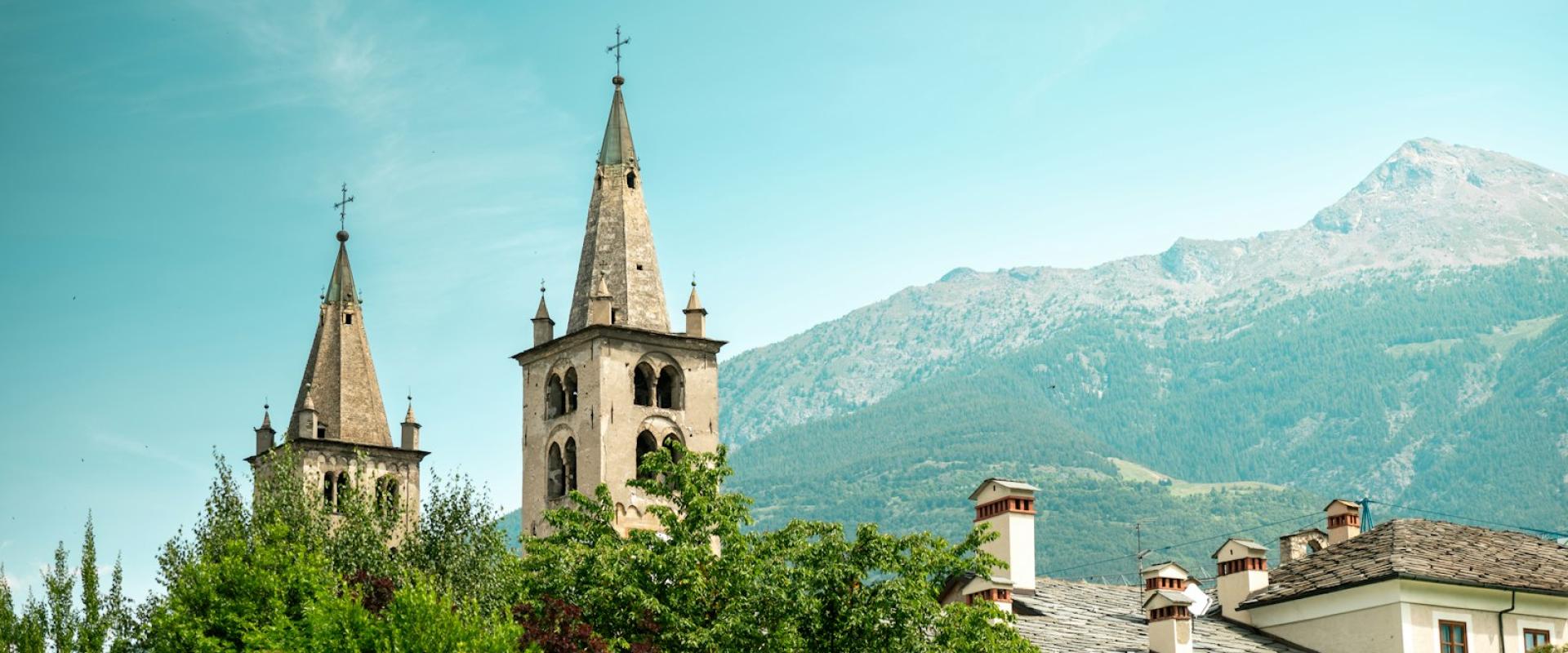
The Basilica of Saint Ours, part of the Sant'Orso complex in Aosta, is a fine example of Romanesque architecture and early Christian history. It stands on the eastern edge of the old Roman town, a little beyond the Arch of Augustus, and it takes its name from Saint Ursus, a figure of the early medieval church of Aosta who is said to have been an Irish or Scottish monk. The site’s origins trace back to the 9th century, built upon earlier Paleochristian structures and a defensive bell tower, in a place that had been used for Christian burials from late Roman times, and the Aosta Valley as a whole has been a crossing point of cultures for two thousand years.
Visitors are greeted by a three-aisle basilica that houses significant artistic treasures, including an 11th-century fresco cycle, a wooden choir and a mosaic floor depicting Samson slaying a lion. The collegiate church was rebuilt in the Romanesque style around the year 1000 by Bishop Anselm, and later given Gothic vaults. The frescoes, which survive in the attic space above the vaults of the nave, are a rare example of Ottonian painting in the Alps. The choir stalls, carved in the 15th century in wood, are lively with figures, animals and floral decoration. These elements provide a tangible connection to the region’s religious and artistic evolution over centuries.
The primary highlight for visitors is the 1132 cloister, widely regarded as a masterpiece of Romanesque sculpture. It is a small, square courtyard enclosed by arcades whose columns carry about forty carved capitals, with figures in high relief that tell stories from the Bible and from classical myths, as well as scenes from the lives of saints, in lively, expressive detail, crafted by skilled artisans from Provence and Lombardy. Each capital rewards close study, with scenes such as the flight into Egypt, the story of Jonah and fantastic beasts, and the shadows of the arcades make it a quiet place for contemplation. This intricate stonework offers a detailed narrative of medieval storytelling and craftsmanship.
The complex also includes the Priorato, the priory house, built in the early 16th century by Prior Giorgio di Challant, with a refined Renaissance tower and a garden, and the Paleochristian basilica, whose excavated remains lie beneath the church, reflecting the area’s long history as a Christian burial site dating back to Roman and even earlier times. The priory’s buildings are decorated with terracotta details unusual in the region.
The atmosphere within the basilica and cloister is one of quiet reverence, allowing for a contemplative experience. As a place of worship, it is advisable to dress modestly and to check opening times, as access to the cloister and the attic frescoes may be limited. The architectural harmony and historical depth make the Basilica of Saint Ours an essential stop for those interested in the cultural heritage of the Aosta Valley. It is a short walk from the Roman Theatre and the Cathedral, and a visit to the cloister makes a good counterpart to the Roman sites. Exploring this site offers a clear insight into the spiritual and artistic life of medieval Aosta, preserving its legacy for modern visitors.
Categories
More photos coming soon
Nearby Attractions
Other places to visit in Aosta
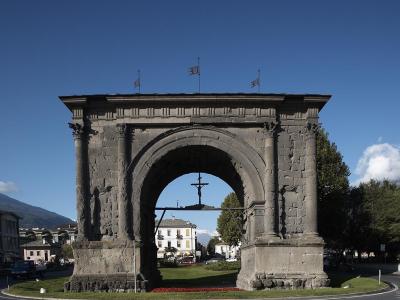
Arch of Augustus
25 BC triumphal arch with mixed Corinthian-Doric styles
History & Heritage · Urban Exploration
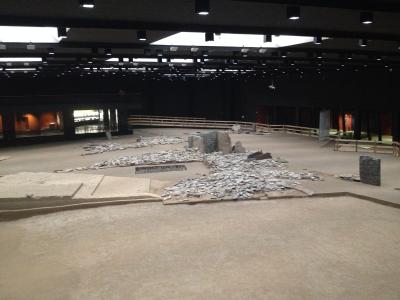
Area Megalitica di Saint-Martin-de-Corléans (MegaMuseo)
Prehistoric sacred site and tombs found in 1969, now a museum
Ancient Ruins · Archaeological Museums
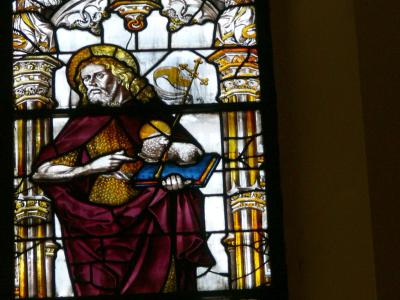
Cathedral of Saint John the Baptist
11th-century Romanesque cathedral with 11th-century frescoes
Architectural Monuments · Historic Churches
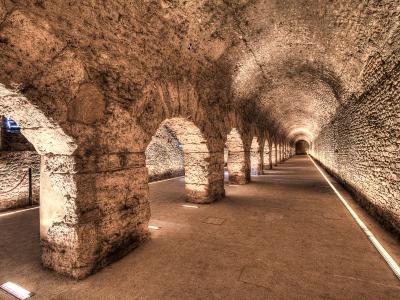
Criptoportico Forense (Roman Cryptoporticus)
Underground Roman gallery that held up Aosta's forum temples
History & Heritage · Ancient Ruins
Questions people ask
Quick Facts
Best Time to Visit
Visit between June and September for hiking or December and March for skiing.