







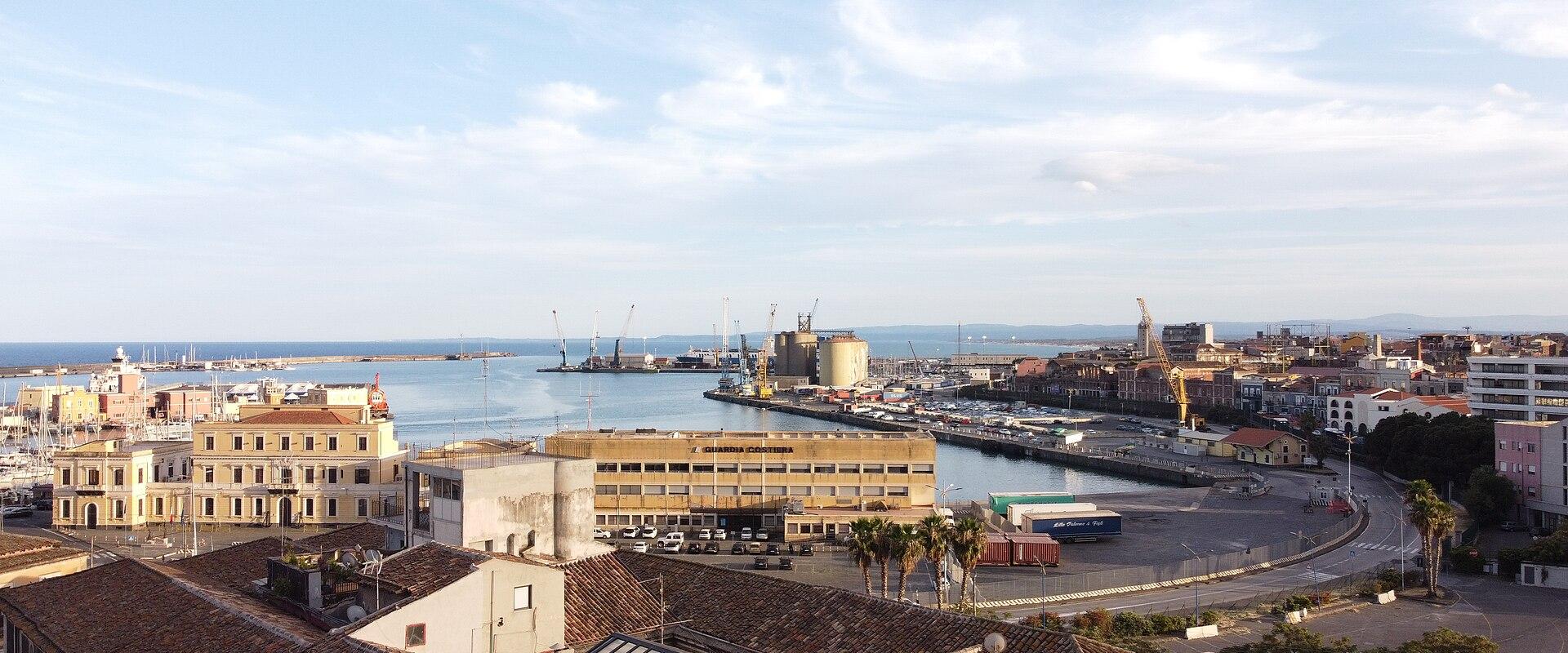
Catania’s history goes back to the 8th century BC, when Greek colonists from Chalcis founded the city as Katane. It became a significant centre in Magna Graecia, benefiting from its fertile plains and strategic port. The city was later conquered by the Romans, who called it Catina, and it flourished as an agricultural and commercial hub. Throughout the Middle Ages Catania was ruled by various powers, including the Byzantines, Arabs, and Normans. The Castello Ursino, a fortress begun under Frederick II in the 13th century, is a survivor of the medieval city and today houses the Civic Museum. In 1669 a catastrophic eruption of Mount Etna destroyed much of the city, burying parts of it under lava, and in 1693 a great earthquake levelled most of what remained. The reconstruction in the late 17th and 18th centuries gave Catania its distinctive Baroque style, characterized by ornate facades and the use of black lava stone. The city remained a key centre in Sicily, played a role in the Risorgimento, and became part of the Kingdom of Italy in 1860. Today Catania is a bustling metropolis that balances its industrial and academic importance with its rich historical legacy.
The main attractions are centred on the historic centre and the volcano. The Piazza del Duomo is the symbolic centre of the city, dominated by the Cathedral of Saint Agatha, the patron saint of Catania, and by the Elephant Fountain, carved in lava stone and long a symbol of the city. The Porta Uzeda, a Baroque gate, leads from the square toward the sea. The Via Etnea, the main thoroughfare, is a pedestrian boulevard lined with Baroque churches, palaces, and shops, leading up toward the base of Mount Etna, and Piazza Università, on the same street, is the centre of student life. The Castello Ursino houses a museum, the Museo Civico, which gives insights into the city’s history and art. The Fish Market (La Pescheria, or Mercato di Pesce) is a vivid and noisy place where visitors can experience local life and sample fresh seafood. The Roman Amphitheater, partly buried by lava, is another significant archaeological site, and the Greek-Roman theatre lies close by. The Chiesa di San Benedetto, a Baroque church on a street of fine Baroque monuments, and the Teatro Massimo Bellini, the opera house named for the composer born in the city, show the artistic side of Catania. The Orto Botanico of the University is a quiet garden in the centre. Mount Etna itself is a major attraction, with guided tours to hike the volcano and see its craters and lava fields, and the Grotta del Gelo, an ice cave on its slopes, is a curiosity. The nearby towns of Taormina and Syracuse are easily reached for day trips.
Activities in Catania include exploring the historic sites, visiting the markets, and enjoying the local cuisine. The city is famous for its street food, particularly arancini (fried rice balls), cannoli, and granita with brioche, and for pasta alla Norma, named for the opera by Bellini. Visitors can take cooking classes to learn how to make traditional Sicilian dishes. The surrounding area offers hiking trails on Mount Etna and beaches along the Ionian coast. Catania also hosts festivals and events through the year, including the Feast of Saint Agatha in early February, one of the most important religious celebrations in Sicily. Shopping includes local ceramics, textiles, and food products. For those interested in history, guided tours explore the Greek, Roman, and Baroque heritage of the city.
Getting to Catania is convenient by rail and air. Catania Fontanarossa Airport is the main gateway, with flights from major European cities. The city is well connected by rail, with frequent trains to Palermo, Messina, and other major Italian cities. By car, the A18 motorway connects Catania to Messina and the rest of Sicily.
The best time to visit Catania is from April to June or September to October, when the weather is mild and pleasant, ideal for outdoor attractions and historic sites. July and August are peak tourist months, with higher temperatures and larger crowds. Winter is mild but can be rainy. Despite the seasonal variations, Catania’s vibrant energy and rich culture make it a rewarding destination year-round.
Best time to visit
Visit between April and June or September and October for mild temperatures and fewer crowds.
What to see in Catania
Our picks first.
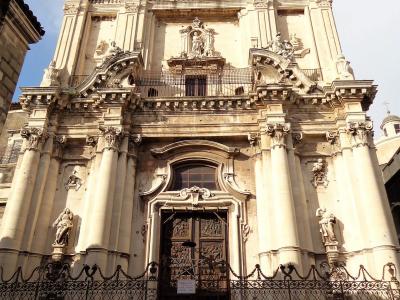
Chiesa di San Benedetto
Early 18th-century Baroque church in Catania
Art Museums · Cultural Tours
Grotta del Gelo
Natural ice cave with stalactites under Etna
Cave Exploring · Geological Sites
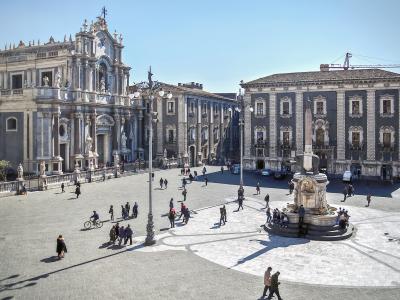
Piazza del Duomo (Cathedral Square)
Baroque heart of Catania with Etna views
Architectural Monuments · Historic Churches
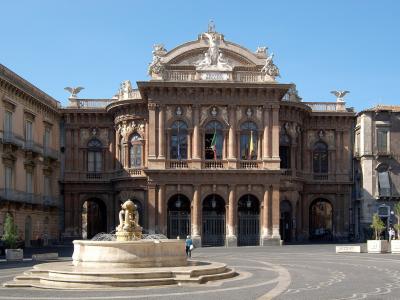
Teatro Massimo Bellini
1890 opera house in Catania named for composer Bellini
From €4.50 History & Heritage · Museums & Culture
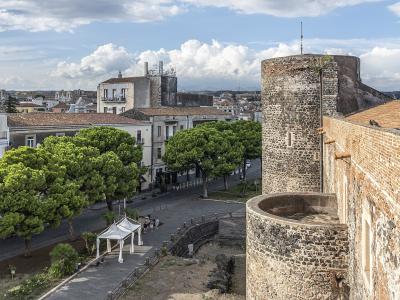
Castello Ursino
13th-century Swabian fortress and lava-surviving civic mu...
Archaeological Museums · Castles & Fortresses
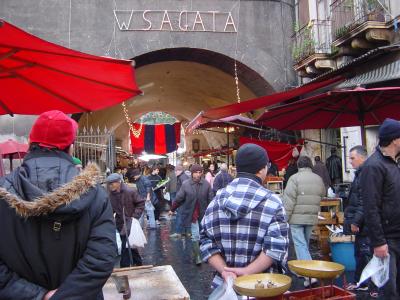
Mercato di Pesce (Fish Market)
Historic fish market with marble stalls
Free Historic Districts · Local Cuisine
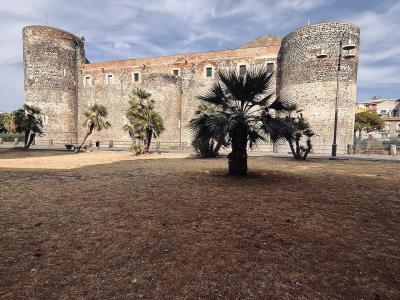
Museo Civico Castello Ursino
Medieval fortress housing diverse archaeological collections
Archaeological Museums · Castles & Fortresses
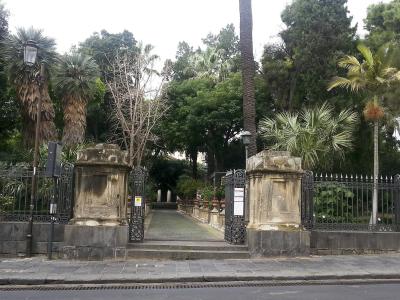
Orto Botanico dell'Università di Catania
19th-century university garden with palms and succulents
Botanical Gardens · Educational Sites
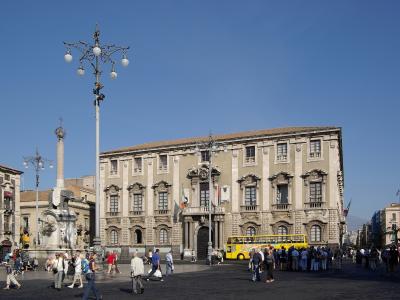
Palazzo degli Elefanti
1696 Catania town hall with elephant statues
Historic Palaces
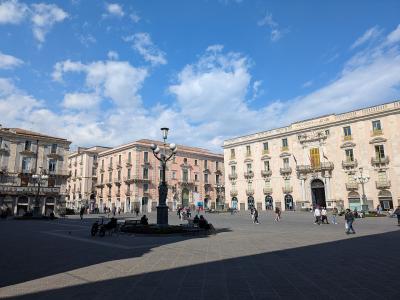
Piazza Università
Baroque square with bronze lamp posts on Via Etnea
Free Historic Palaces · Local Folklore
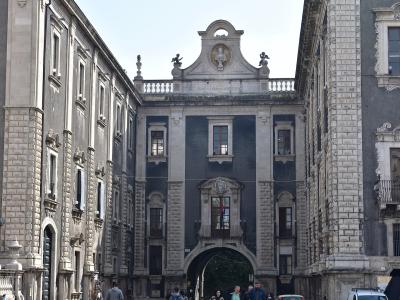
Porta Uzeda
Baroque city gate marking the transition from Piazza del ...
Architectural Monuments · Historic Gates
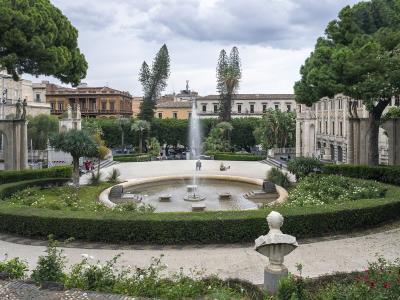
Via Etnea
Baroque boulevard with Etna views
Free Historic Districts · Scenic Viewpoints
Catania by interest
The same sights, grouped by what you came for.
Did you know?
Checked facts about Catania, each with its source.
-
Record
Catania's Baroque Centre Rose From the 1693 Earthquake
After the earthquake of 1693 devastated south-eastern Sicily, Catania was rebuilt on its original site in the Late Baroque style. Its historic centre is one of eight towns inscribed by UNESCO in 2002 as the Late Baroque Towns of the Val di Noto.
Source: Visit Italy
Planning a visit to Catania
Good to know
- Currency
- EUR
- Language
- Italian
Quick Facts
Book your stay
Questions people ask
More places in Sicily
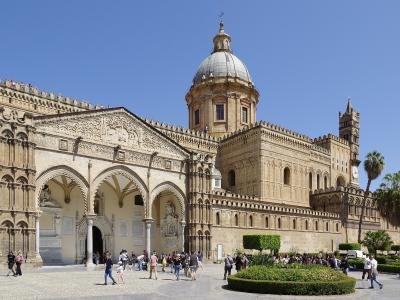
Sicily
Palermo
Sicily's vibrant capital blending Arab-Norman history with bustling markets
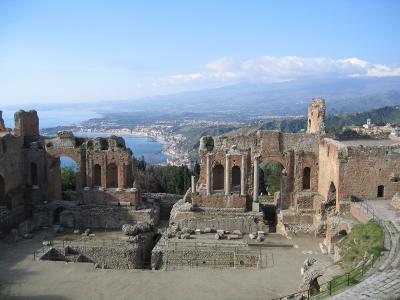
Sicily
Taormina
Clifftop Sicilian town with Greek theater and Mount Etna views
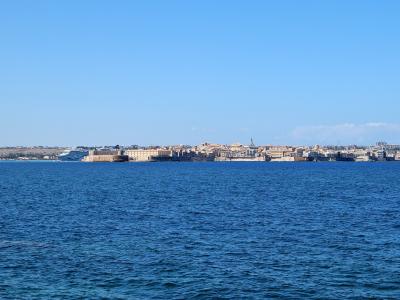
Sicily
Siracusa
Ancient Greek metropolis in Sicily with Baroque Ortigia island
Sicily
Enna
Central Sicilian hill town with Castle of Frederick II and Lake Pergusa