







- Where
- Catania, Sicily
- Directions
- Directions
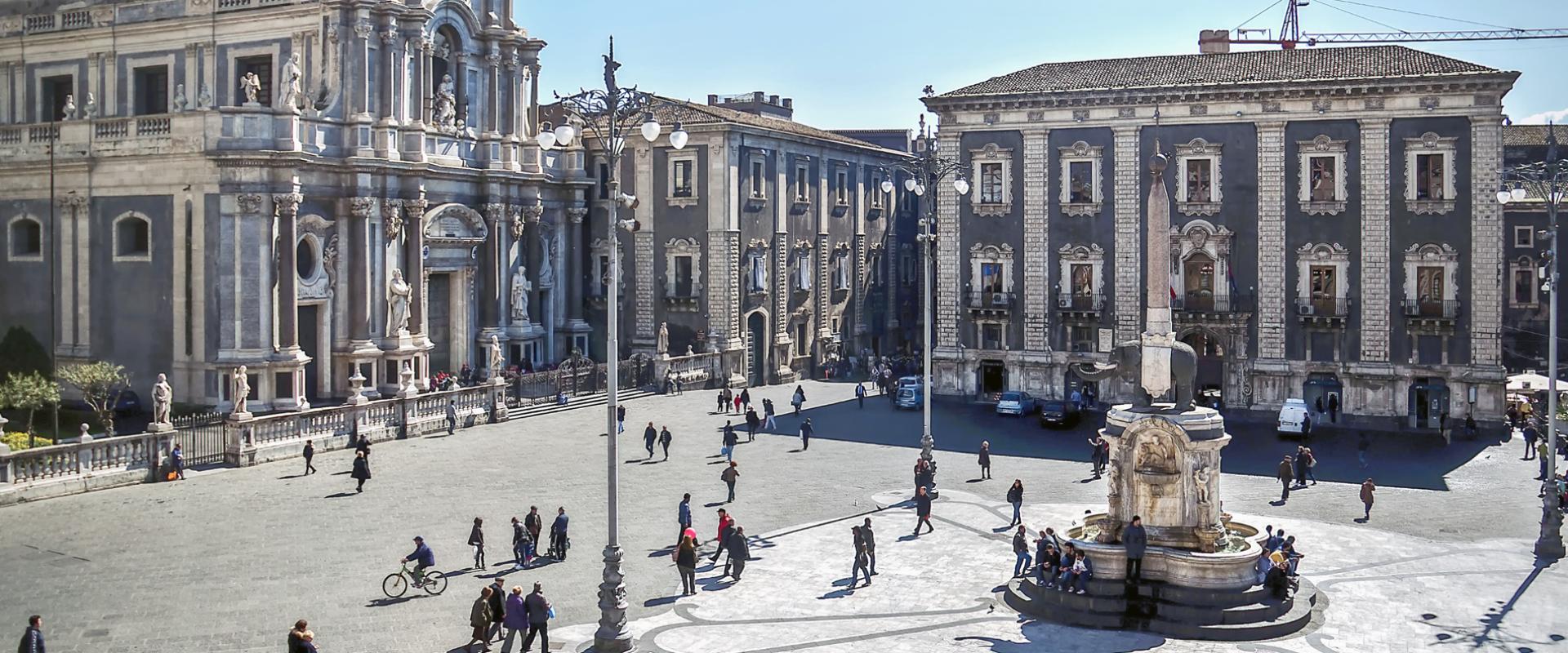
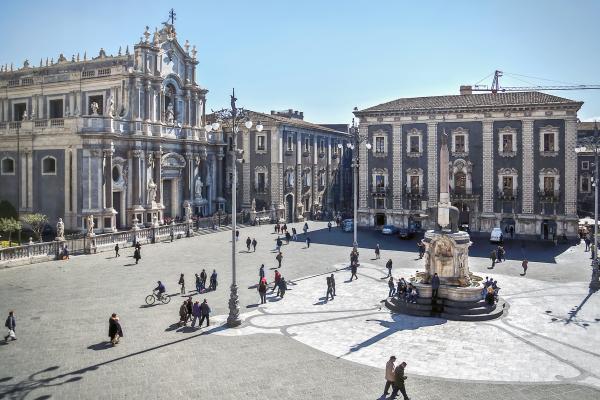
Catania’s main square, Piazza del Duomo, is built almost entirely from dark volcanic stone, and the contrast of black lava with pale limestone trim makes it look unlike any other Italian piazza. Mount Etna looms to the north, and the city has been struck by eruptions and earthquakes over the centuries, most seriously in 1693. Most of what you see was rebuilt afterwards, in the Sicilian Baroque style, under the guidance of architect Giovanni Battista Vaccarini.
The Cathedral of Sant’Agata, dedicated to Saint Agatha, the city's patron, has Norman origins in the late eleventh century but owes its present appearance to the post-earthquake rebuilding. Vaccarini designed the curving, richly decorated façade, which uses columns taken from earlier buildings, including some from ancient Roman structures. Inside is the chapel holding relics associated with the saint, and the tomb of Vincenzo Bellini, the composer of Norma, who was born in Catania. Every February the city celebrates Agatha's festival with huge processions that fill the square and the streets around it.
At the centre stands the Fountain of the Elephant, known to locals as u Liotru. A lava-stone elephant carries an Egyptian obelisk on its back, a composition by Vaccarini that has become the symbol of the city. Tradition links the stone animal to a figure of magic in local folklore, which is why Catanians treat it with affection rather than reverence. The elephant also appears on the Palazzo degli Elefanti, the town hall on the north side of the square.
Another fountain, the Amenano, stands at the southern edge, where the buried river of the same name emerges. Just behind it, the Fish Market, the Mercato di Pesce, fills the lanes each morning with stalls and shouting, the most lively corner of the old city. Opposite the cathedral you can enter the street that leads on to Via Etnea, the long straight avenue to the north lined with shops and cafes, and nearby Porta Uzeda leads toward the port.
While the square is lovely at any hour, early morning is best, when the stone is cool and the light is soft, and evening brings out the cafes and families. The square is a public space with no ticket, though the cathedral keeps its own schedule and asks for modest dress. Combine it with Castello Ursino, Teatro Massimo Bellini and Piazza Università for a thorough tour of the old centre.
Categories
More photos coming soon
Nearby Attractions
Other places to visit in Catania
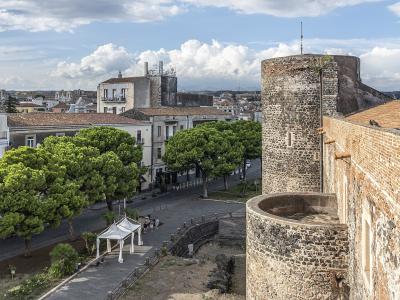
Castello Ursino
13th-century Swabian fortress and lava-surviving civic mu...
Archaeological Museums · Castles & Fortresses
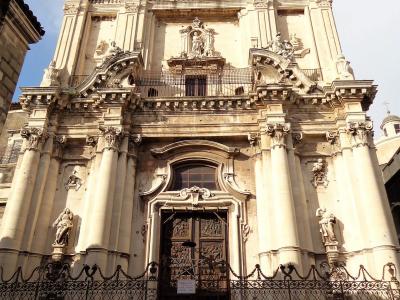
Chiesa di San Benedetto
Early 18th-century Baroque church in Catania
Art Museums · Cultural Tours
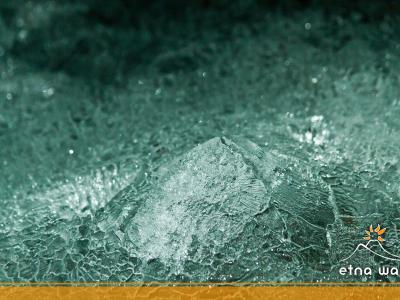
Grotta del Gelo
Natural ice cave with stalactites under Etna
Cave Exploring · Geological Sites
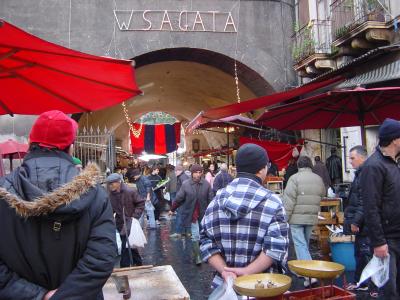
Mercato di Pesce (Fish Market)
Historic fish market with marble stalls
Free Historic Districts · Local Cuisine
Questions people ask
Quick Facts
Best Time to Visit
Visit between April and June or September and October for mild temperatures and fewer crowds.