
Palermo
Sicily's vibrant capital blending Arab-Norman history with bustling markets
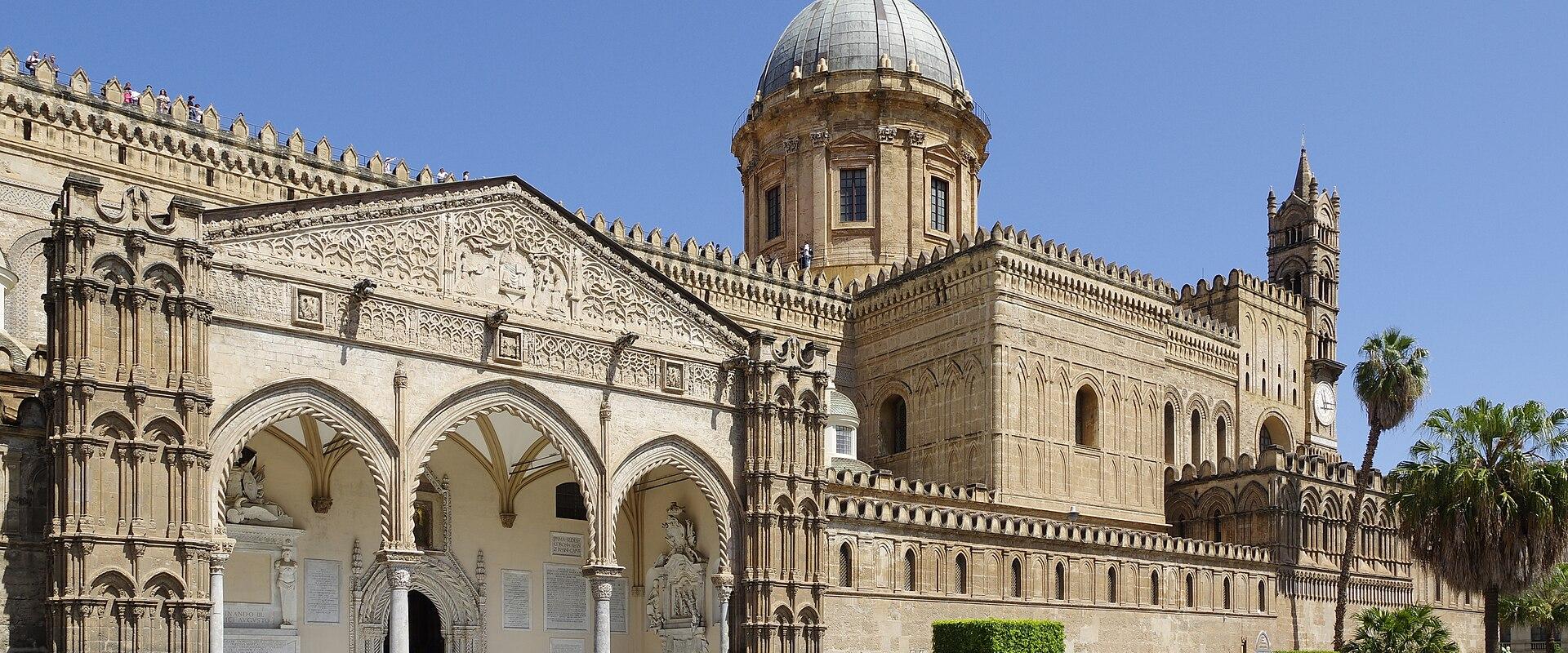
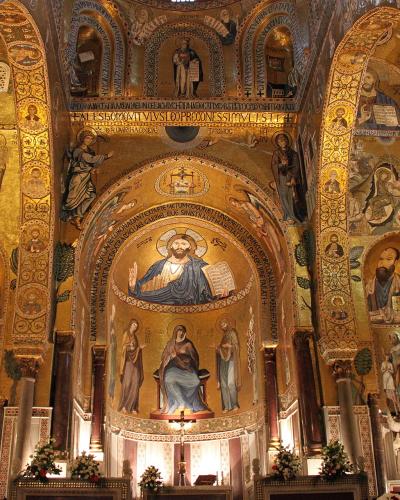
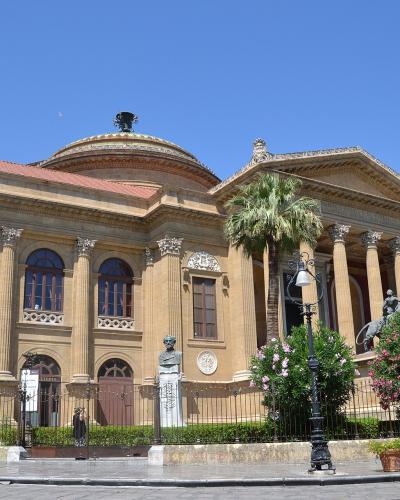
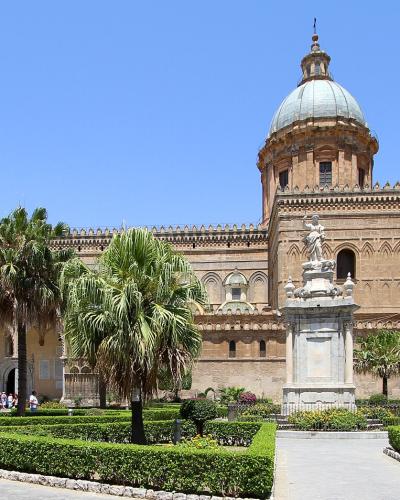
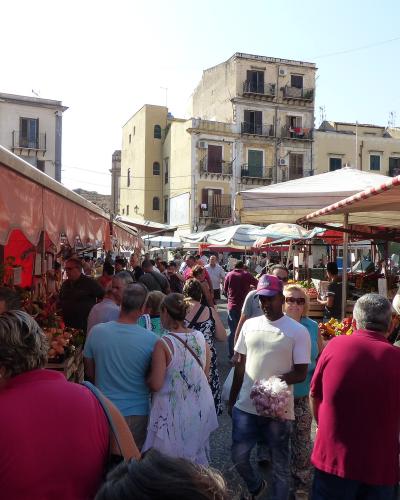
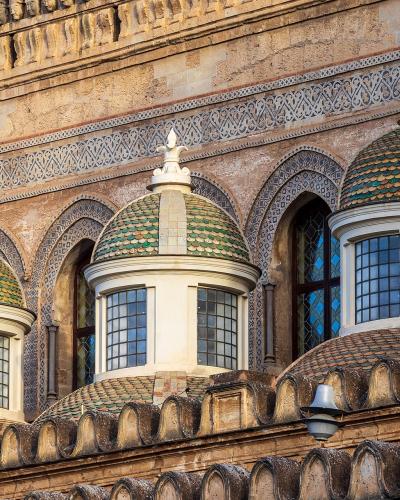
Palermo, the capital of the autonomous region of Sicily, is a city of profound historical depth and sensory intensity. Situated on the northwest coast of the island, it has served as a crossroads for civilizations including the Phoenicians, Romans, Arabs, Normans, and Spanish, leaving an indelible mark on its architecture and culture. The city's history is most visibly preserved in its Arab-Norman heritage, recognized by UNESCO as a World Heritage Site. Key attractions include the Cathedral of Palermo, which houses the tombs of the Holy Roman Emperors Frederick II and Henry VI, and the Palatine Chapel, famous for its stunning Byzantine mosaics that cover every inch of the interior walls and ceiling. The Cappella Palatina, part of the Palazzo dei Normanni, is a masterpiece of Norman-Arab-Byzantine art, offering a glimpse into the cosmopolitan nature of Sicily during the 12th century. Another significant site is the Church of Santa Maria dell'Ammiraglio, also known as La Martorana, which features exquisite mosaics and a serene atmosphere. The city's vibrant street life is best experienced at its historic markets. Ballarò, Vucciria, and Capo are not just places to shop but cultural institutions where the aromas of street food, the sounds of vendors, and the colorful displays of fresh produce create an immersive experience. Visitors can sample local delicacies such as arancini, panelle, and cannoli, reflecting the city's Arab influence. For those interested in art and history, the Palazzo Abatellis houses the Galleria Regionale della Sicilia, featuring works by Antonello da Messina and other Renaissance masters. The Teatro Massimo is another highlight, being the largest opera house in Italy and a stunning example of 19th-century architecture. Getting to Palermo is straightforward, with Falcone-Borsellino Airport (PMO) serving international and domestic flights. The city is also well-connected by rail and road to the rest of Sicily and mainland Italy. The A20 motorway links Palermo to Messina, while the A19 connects it to Catania. Public transportation within the city includes buses and a metro system, though many attractions in the historic center are best explored on foot. The best time to visit Palermo is from April to June and September to October. During these months, the weather is pleasantly warm, with average temperatures ranging from 15°C to 25°C, making it ideal for sightseeing and outdoor activities. Summer months can be extremely hot and crowded, while winter is mild but can be rainy. Avoiding the peak summer season allows for a more relaxed exploration of the city's narrow streets and historic sites. Palermo's unique blend of history, art, and culinary delights makes it a must-visit destination for travelers seeking to understand the soul of Sicily.
Best Time to Visit
Visit in April to June or September to October for mild temperatures and fewer crowds.
Did you know?
Interesting, verified facts about Palermo
Palermo Has a Distinct Local Story
HistoryPalermo, the capital of Sicily, stands as a testament to the island's complex and layered history.
Source: PalermoPalermo Has a Second Local Claim
HistoryLocated on the northwest coast, the city is dominated by the green slopes of Monte Pellegrino and offers a dramatic backdrop to its urban sprawl.
Source: Mount Pellegrino - WikipediaPalermo Has Another Verifiable Detail
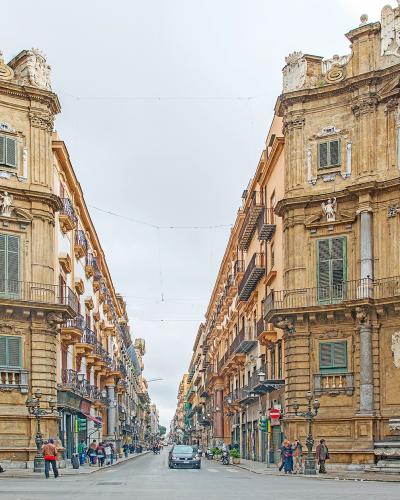
RecordAs one of the largest cities in the Mediterranean, Palermo is a cultural melting pot where Arab-Norman, Gothic, Baroque, and Art Nouveau architectures coexist.
Source: Category:Art Nouveau architecture in Palermo - WikipediaPlan Your Visit to Palermo
Essential travel tips and information for your trip to Palermo.
Suggested Itineraries
Palermo Cultural Heritage
2 daysTwo days exploring Palermo's historic landmarks and UNESCO sites
View ItineraryExtended Palermo Experience
3 days3-day exploration of Palermo's history, markets, and cuisine
View ItineraryTravel Tips
Currency
EUR • Cards widely accepted
Language
Italian • English in tourist areas
WiFi
Free WiFi in cafes and hotels
Explore Palermo by Interest
Discover attractions and experiences in Palermo organized by your interests and travel preferences.
All attractions in Palermo
Sorted by our recommendation score
Quick Facts
Book your stay
Frequently Asked Questions
More destinations in Sicily
Explore other amazing places in the Sicily region