







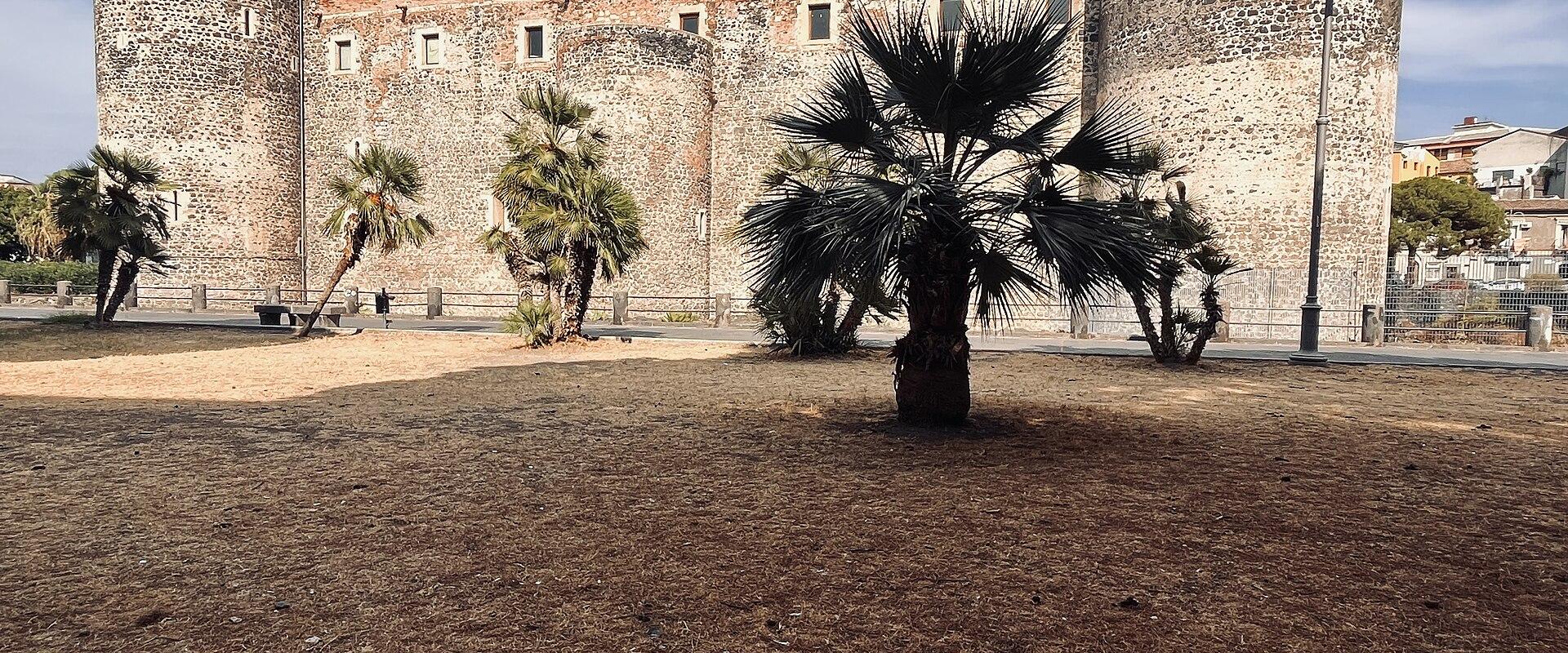
Museo Civico Castello Ursino
Medieval fortress housing diverse archaeological collections
- Where
- Catania, Sicily
- Directions
- Directions
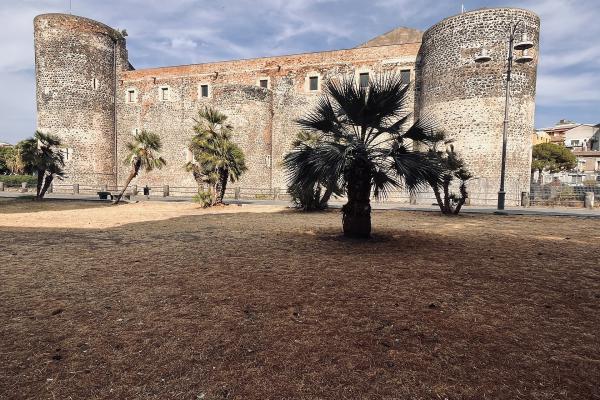
The Museo Civico Castello Ursino in Catania offers visitors a comprehensive look at the city's rich cultural history, housed within a striking medieval fortress that stands near the old harbour, now inland, in the south of the historic centre. Located in the Castello Ursino, which was built in the thirteenth century by Emperor Frederick II, the museum is the city's main collection of art and archaeology, and its rooms, with massive walls, vaults and narrow windows, give the displays a dramatic setting.
The museum's collection originated from donations by illustrious private collectors, creating a diverse assemblage that documents every era of Catania’s past. The most important of these was the Biscari collection, the Museo Biscari, assembled in the eighteenth century by Prince Ignazio Paternò Castello of Biscari, a nobleman and antiquarian who opened a museum in his palace in Catania, one of the first in Sicily, where visitors from across Europe came to see his Greek and Roman finds. The second was the collection of the Benedictine monks of the monastery of San Nicolò l'Arena, the Benedettini, which included paintings, books, coins and antiquities, and which passed to the city after the suppression of religious orders in the 1860s.
The institution was established to consolidate these significant art collections, notably those of the Biscari family and the Benedictine order, after the closure of the Museo Biscari and the seizure of the Benedettini collection, and it opened in the castle in the early twentieth century. The museum is a repository for some of Europe’s most important private holdings of its kind, and its reach covers a long span of time.
Visitors can explore a wide range of artefacts, including archaeological finds and fragments that trace the development of the region from ancient times through the modern era. The ground floor has Greek and Roman sculpture, architectural fragments, inscriptions, funerary monuments, and mosaics, among them pieces from the Roman theatre and amphitheatre of Catania, and from the necropolis. Greek vases, terracottas, bronzes, coins and glass are displayed in cases, with some of the finest examples of Sicilian pottery. The upper floors have medieval and Renaissance sculpture, with carved portals and capitals, and a gallery of paintings, with works of the Sicilian school, mostly of the sixteenth to eighteenth centuries, and decorative arts, including weapons and ceramics. The collection is eclectic, and it rewards patient looking.
The castle is a short walk from the Piazza del Duomo and the Fish Market, and visitors can combine the museum with the cathedral and the Benedictine monastery, now a university building. Opening hours vary, and a ticket is needed, so check locally. Allow about an hour and a half. The visit is a good choice in the heat of the day, when the thick walls keep the rooms cool.
Categories
More photos coming soon
Nearby Attractions
Other places to visit in Catania
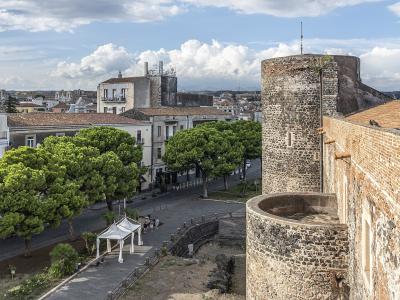
Castello Ursino
13th-century Swabian fortress and lava-surviving civic mu...
Archaeological Museums · Castles & Fortresses
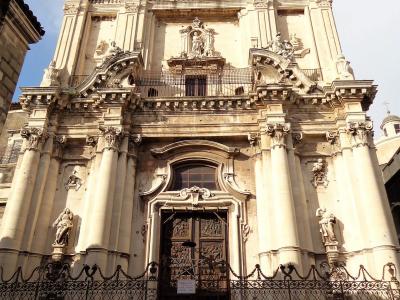
Chiesa di San Benedetto
Early 18th-century Baroque church in Catania
Art Museums · Cultural Tours
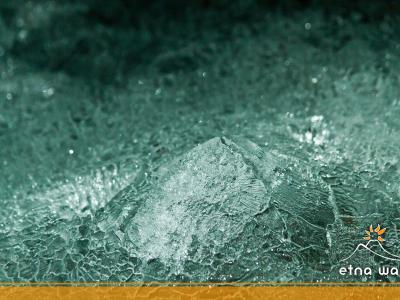
Grotta del Gelo
Natural ice cave with stalactites under Etna
Cave Exploring · Geological Sites
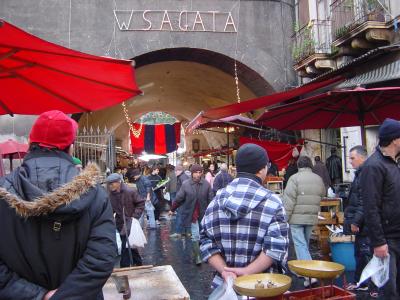
Mercato di Pesce (Fish Market)
Historic fish market with marble stalls
Free Historic Districts · Local Cuisine
Questions people ask
Quick Facts
Best Time to Visit
Visit between April and June or September and October for mild temperatures and fewer crowds.