







- Where
- Catania, Sicily
- Directions
- Directions
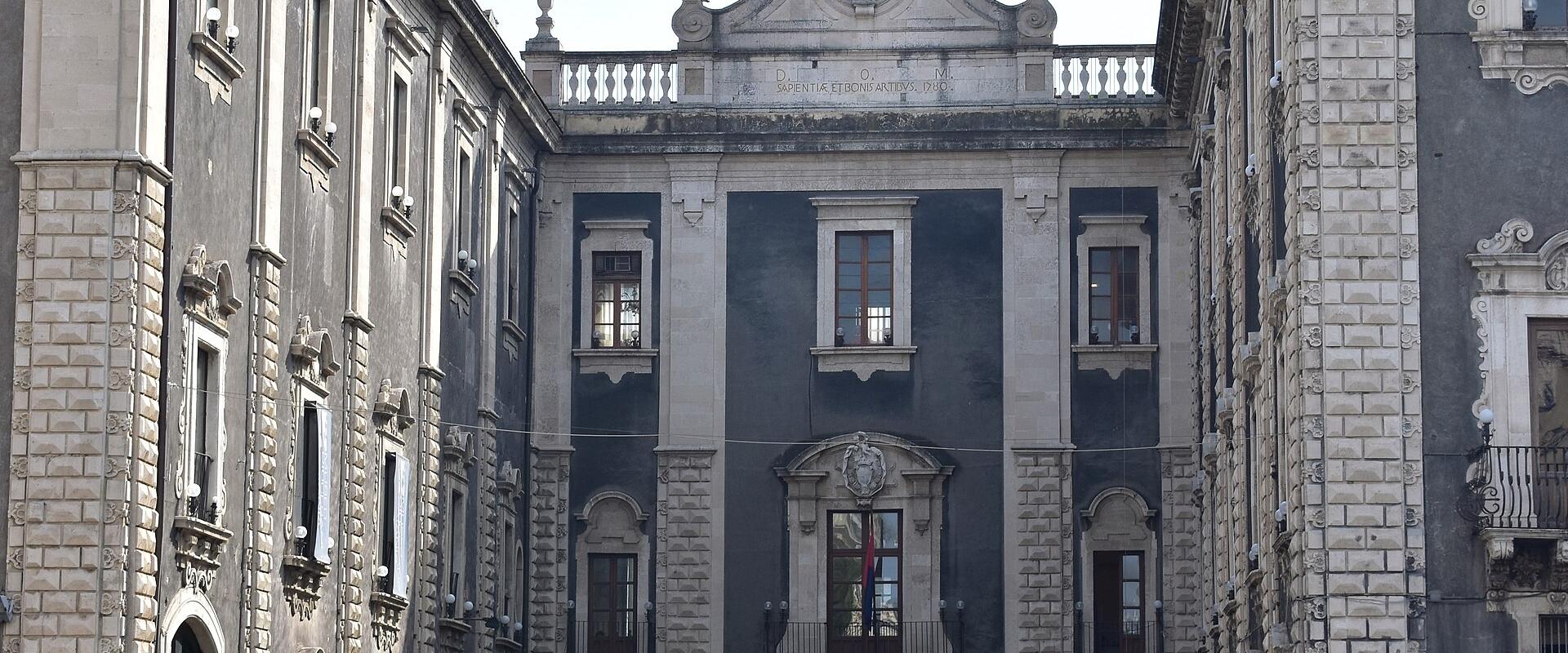
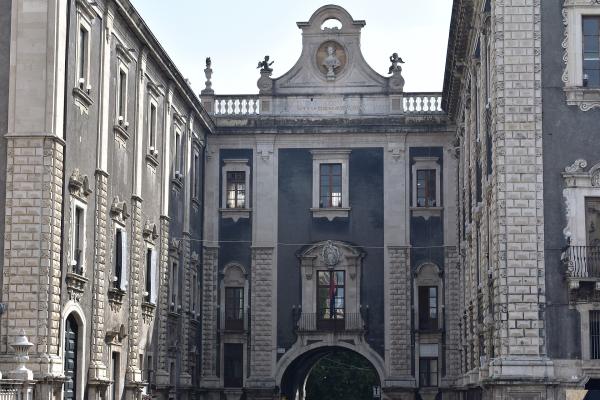
At the southern edge of Piazza del Duomo, a handsome stone gateway frames the way down toward the harbour. Porta Uzeda is a Baroque gate with a simple, formal design, and it is easy to walk past without a second thought, which is a pity, because it is one of the clearest reminders of how Catania was reshaped after disaster. The great earthquake of 1693 had flattened much of the city, and the rebuilding that followed brought wide streets, new squares and several new gates.
The gate takes its name from the Duke of Uzeda, the Spanish viceroy who governed Sicily in the years after the earthquake and under whose authority the gate was built, at the end of the seventeenth century. It was cut through the sixteenth-century city walls to link the new cathedral square with the sea, giving the ceremonial centre of the city a direct opening to the water. Standing in front of it, you can see the contrast between the dark lava stone of the buildings and the lighter limestone trim that Catania's architects used so effectively.
Today it is a small, open-air monument rather than a major sight, and it works best as part of a walk. Pause under the arch and look back toward the square, where the Catania Cathedral and the Elephant Fountain dominate, then pass through to the area around the old Fish Market, the Mercato di Pesce, where the morning stalls and noisy fishmongers give a vivid taste of the working city. Beyond lie the streets running down to the port, though the railway line along the waterfront now separates the old centre from the sea.
The gate is also useful for orientation. From here it is easy to walk on to Via Etnea, the long straight avenue climbing toward Mount Etna, or to Castello Ursino, the thirteenth-century fortress that once stood on the shoreline. Teatro Massimo Bellini and Piazza Università are a short stroll away, and the lanes around the Chiesa di San Benedetto add more Baroque detail.
Because it is a public monument in the middle of a busy pedestrian area, there is no ticket and it is accessible all day. It is best for architecture fans, photographers and history lovers willing to pause for a few minutes. Early morning offers the best light and the fewest people, while in the evening the area around it fills with locals heading out for dinner.
Categories
More photos coming soon
Nearby Attractions
Other places to visit in Catania
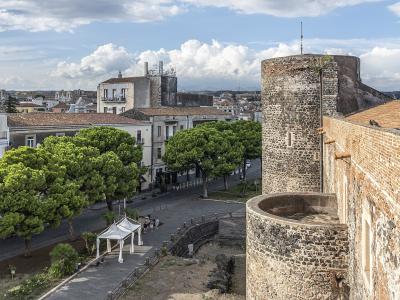
Castello Ursino
13th-century Swabian fortress and lava-surviving civic mu...
Archaeological Museums · Castles & Fortresses
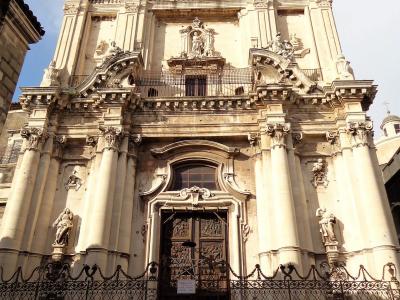
Chiesa di San Benedetto
Early 18th-century Baroque church in Catania
Art Museums · Cultural Tours
Grotta del Gelo
Natural ice cave with stalactites under Etna
Cave Exploring · Geological Sites
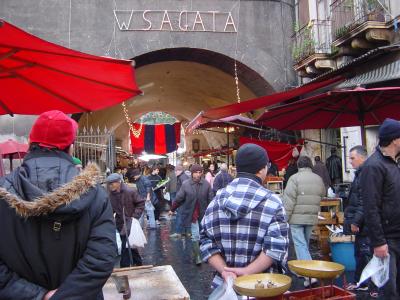
Mercato di Pesce (Fish Market)
Historic fish market with marble stalls
Free Historic Districts · Local Cuisine
Questions people ask
Quick Facts
Best Time to Visit
Visit between April and June or September and October for mild temperatures and fewer crowds.