







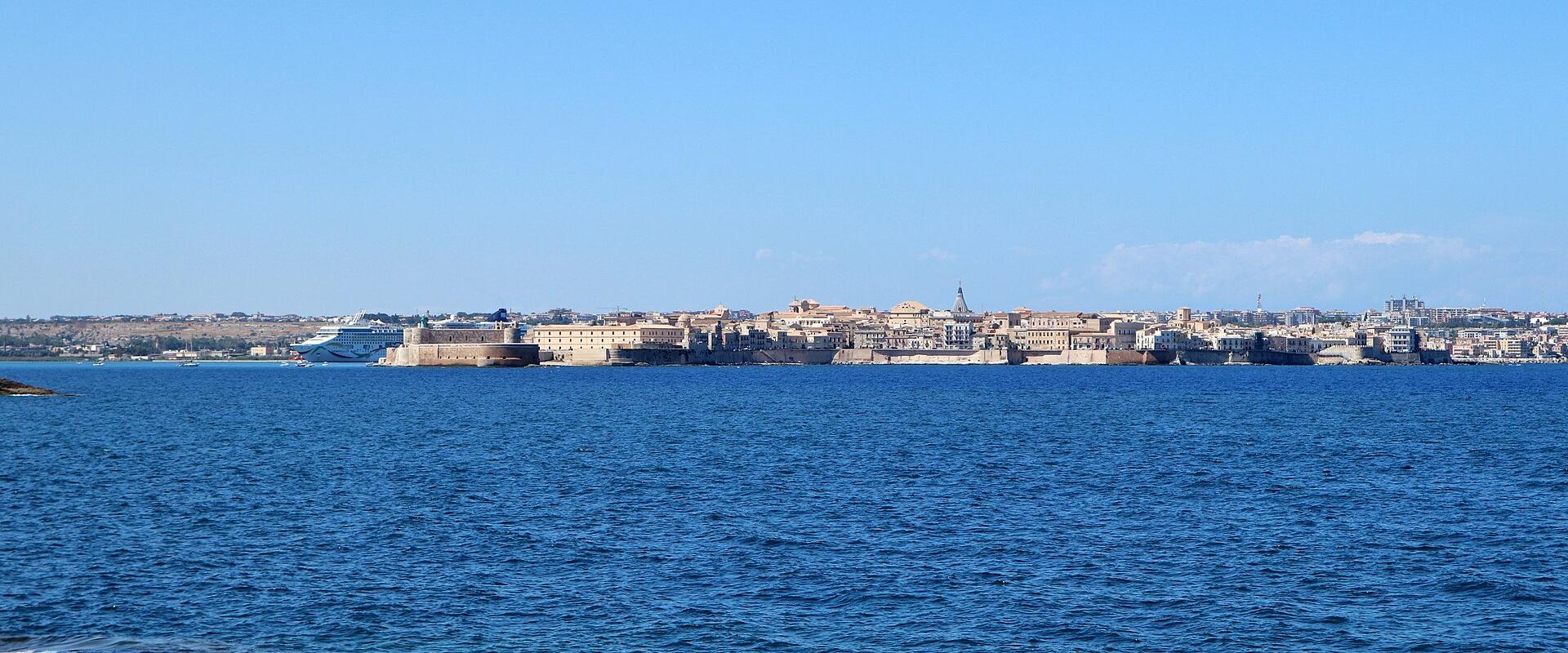
Siracusa’s history goes back to 734 BC, when Greek colonists from Corinth, and from Corinthian colonies, founded the city. It quickly grew into one of the most powerful and influential city-states in the ancient Mediterranean, rivalling Athens and Sparta; in 413 BC it defeated a great Athenian expedition. The city reached its height under the tyrant Dionysius I and later under Hieron II, when the mathematician and inventor Archimedes lived and worked there. Siracusa played a crucial role in the Punic Wars, famously withstanding a two-year siege by the Romans before falling in 212 BC. The Roman period saw the city continue to thrive, with significant building. After centuries of Byzantine, Arab, and Norman rule, Siracusa became part of the Kingdom of Sicily. The earthquake of 1693 devastated much of the city, leading to its reconstruction in the Sicilian Baroque style, which gives the city its present character. This mixture of Greek, Roman, and Baroque influences makes Siracusa a remarkable historical palimpsest.
The main attractions are concentrated on the island of Ortigia and the nearby archaeological park. The Neapolis Archaeological Park (Parco della Neapolis), a UNESCO World Heritage site, houses the Greek Theatre, one of the largest and best-preserved theatres of the ancient world, the Roman amphitheatre, and the Orecchio di Dionisio (Ear of Dionysius), a large limestone cave with remarkable acoustic properties. The Grotticelli Necropolis is a large Greek and Roman burial ground in the same area. The Temple of Apollo, dating from the 6th century BC and the oldest Doric temple in Sicily, stands on Ortigia. Ortigia island is the historic centre, with the Piazza del Duomo, dominated by the Cathedral of Syracuse, the Duomo di Siracusa. The cathedral is a masterpiece of Baroque architecture, built over an ancient Greek Temple of Athena, whose Doric columns are still visible in the nave and the outer walls. The island also has the Fountain of Aretusa (Arethusa), a freshwater spring surrounded by papyrus reeds, a mythological landmark, and the Fontana di Artemide in Piazza Archimede. The Castello Maniace, a 13th-century fortress at the tip of the island, offers views of the harbour and the surrounding sea. The Museo Archeologico Regionale Paolo Orsi, on the mainland, is one of the principal archaeological museums in Europe.
Activities in Siracusa include exploring the archaeological sites, walking through the narrow streets of Ortigia, and enjoying the local cuisine. The city is known for fresh seafood and traditional Sicilian dishes, along with granita and markets selling fish, cheese, and fruit. Visitors can take boat tours along the coast to see the cliffs and nearby islands. The nearby Vendicari Nature Reserve offers birdwatching and hiking in a protected natural environment. The city also hosts cultural events and festivals through the year, celebrating its artistic heritage, including performances of ancient Greek drama in the Greek Theatre in spring and early summer. Shopping includes local ceramics, textiles, and food products such as cannoli and cassata.
Getting to Siracusa is convenient by road and rail. The city is well connected by the A18 motorway, linking it to Catania and Messina. Siracusa has a railway station with connections to Catania and other major Italian cities. For those flying, the nearest airport is in Catania, about 60 kilometres away.
The best time to visit Siracusa is from April to June or September to October, when the weather is mild and pleasant, ideal for outdoor archaeological sites and historic streets. July and August are peak tourist months, with higher temperatures and larger crowds. Winter is mild but can be rainy. Despite the seasonal variations, Siracusa’s rich history and beautiful setting make it a rewarding destination year-round.
Best time to visit
Visit between April and June or September and October for mild temperatures and fewer crowds.
What to see in Siracusa
Our picks first.
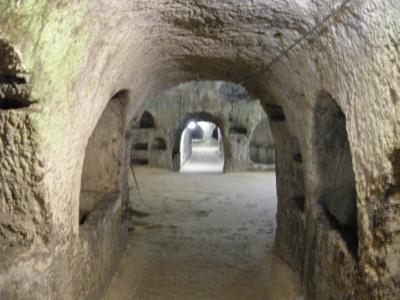
Catacombs of San Giovanni
Sicilian catacombs with monumental rotundas
Archaeological Museums · Historic Cemeteries
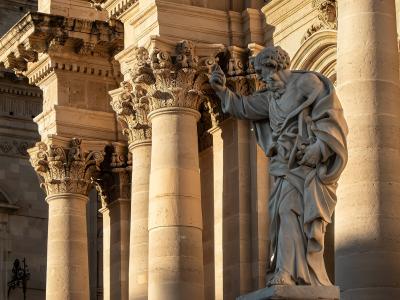
Duomo di Siracusa (Cathedral of Syracuse)
Baroque cathedral built on a Greek temple
Ancient Ruins · Architectural Monuments
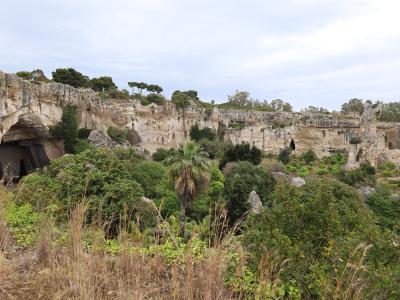
Neapolis Archaeological Park
UNESCO Greek and Roman ruins in Siracusa
Ancient Ruins · Geological Sites
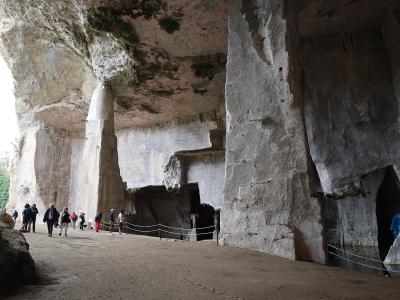
Parco della Neapolis
Ancient Greek theatre and Roman amphitheatre in Syracuse
Ancient Ruins · Geological Sites
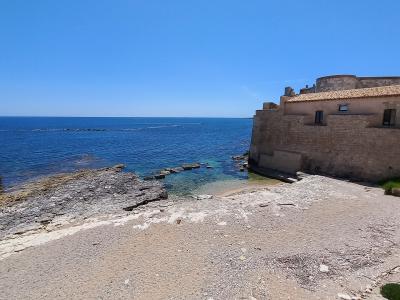
Castello Maniace
Byzantine fortress with 18m high walls
Architectural Monuments · Castles & Fortresses
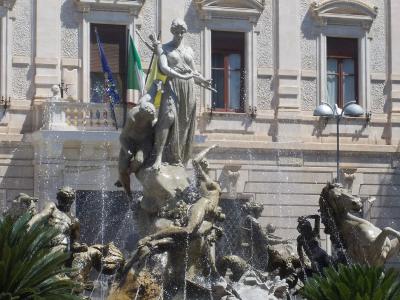
Fontana di Artemide
1907 fountain depicting Artemis and Alpheus myth
Historic Fountains · Public Statues
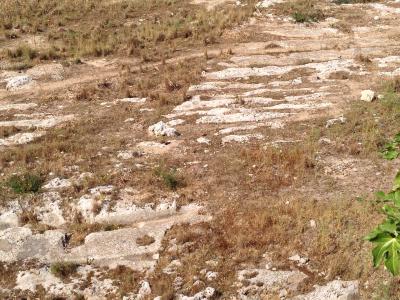
Grotticelli Necropolis
Rock-cut Greek and Roman necropolis in Siracusa
Ancient Ruins · Cultural Tours
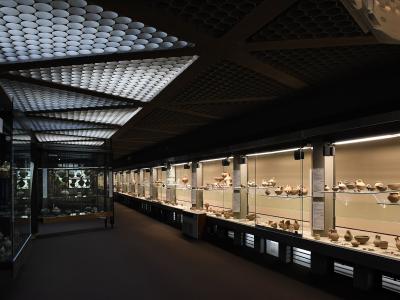
Museo Archeologico Regionale Paolo Orsi
Europe's principal archaeological museum in Siracusa
Archaeological Museums
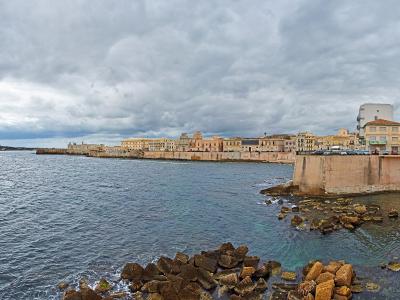
Ortygia Island
2,700-year-old Greek historic center of Siracusa
Free Ancient Ruins · Historic Districts
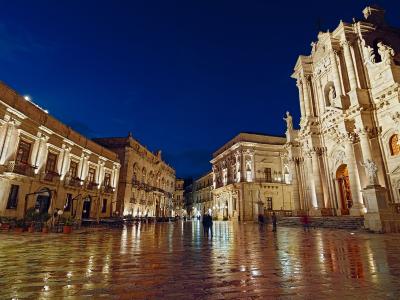
Piazza Duomo
Baroque cathedral on ancient Greek temple ruins
Ancient Ruins · Historic Churches
Siracusa by interest
The same sights, grouped by what you came for.
Did you know?
Checked facts about Siracusa, each with its source.
-
Notable Person
Archimedes Was Born and Killed in Syracuse
Archimedes, one of the greatest mathematicians and inventors of the ancient world, was a native of Syracuse, born around 287 BC. He was killed in his home city in 212 BC, when the Romans captured Syracuse during the Second Punic War.
Source: MacTutor History of Mathematics (University of St Andrews)
Planning a visit to Siracusa
Itineraries that include Siracusa
Good to know
- Currency
- EUR
- Language
- Italian
Quick Facts
Book your stay
Questions people ask
More places in Sicily
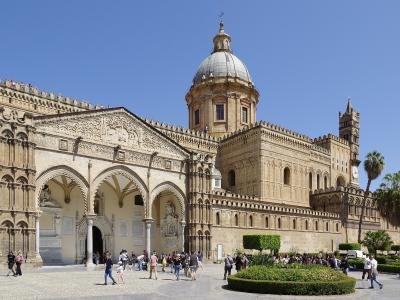
Sicily
Palermo
Sicily's vibrant capital blending Arab-Norman history with bustling markets
Sicily
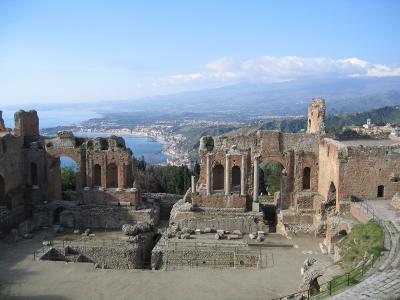
Taormina
Clifftop Sicilian town with Greek theater and Mount Etna views
Sicily
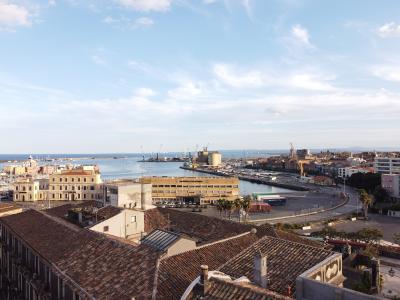
Catania
Vibrant Sicilian city beneath Mount Etna with Baroque architecture
Sicily
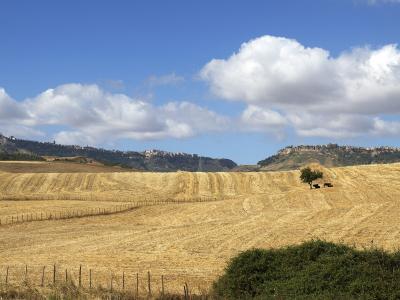
Enna
Central Sicilian hill town with Castle of Frederick II and Lake Pergusa