







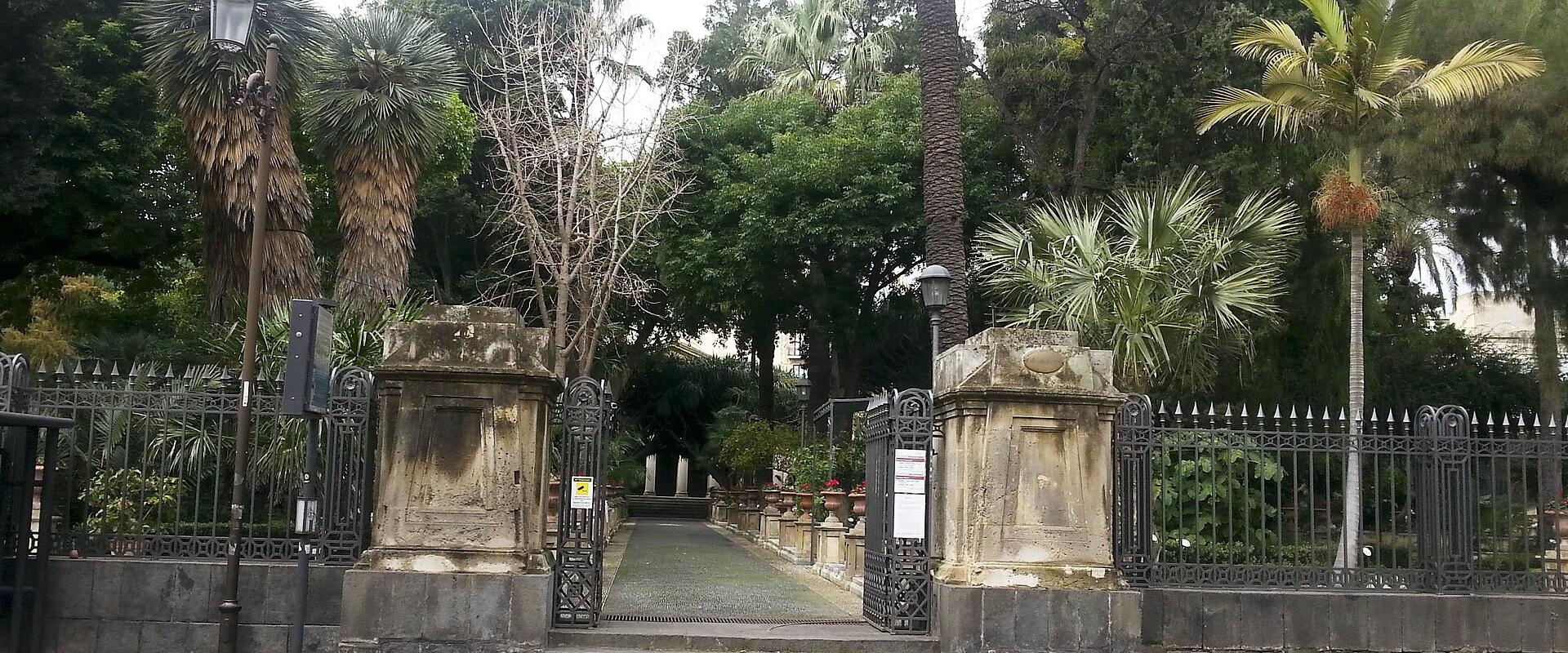
Orto Botanico dell'Università di Catania
19th-century university garden with palms and succulents
- Where
- Catania, Sicily
- Directions
- Directions
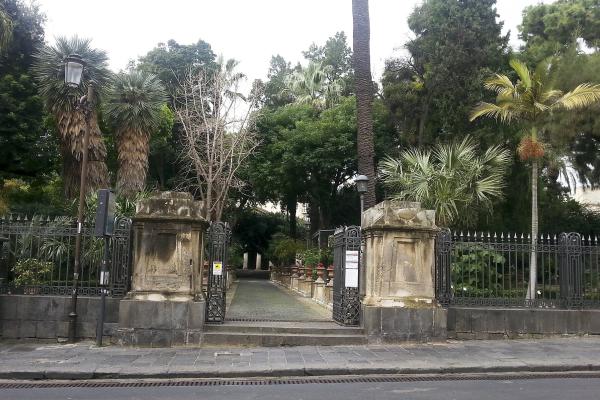
The Orto Botanico dell'Università di Catania is the botanical garden of the University of Catania, run by its Department of Biological, Geological and Environmental Sciences. It was founded in the middle of the nineteenth century, in 1858, on the initiative of the botanist Francesco Tornabene, who held the chair of botany at the university, and the garden still occupies a green space in the middle of the busy city. Urban growth has squeezed it into a smaller area than its founders imagined, but it remains an important place for teaching, research and the conservation of plant diversity.
The collections reflect Sicily's climate and its place in the Mediterranean. Succulents and cacti, which thrive in the dry, sunny conditions, are a highlight, and the palm collection includes species from several continents. A section called the orto siculo is devoted to Sicilian plants, including herbs and species found on the island's coasts, hills and volcanic soils. Historic greenhouses and old trees add to the atmosphere, and gravel paths wind among beds labelled with scientific names, which suits visitors who like to learn about what they see.
Catania sits on the slopes of Mount Etna, the largest active volcano in Europe, and its soils and flora are shaped by volcanic activity. The garden has therefore long had links with studies of the plants of Etna, and in Sicily the university's herbarium and collections are an important scientific resource. Online herbariums and botanical charts are used in teaching and available to researchers. The garden also gives an opportunity to see local birdlife, since the trees and shrubs attract species that are not easy to see elsewhere in the city centre.
Visitors will find it a peaceful place after the noise of the streets, with shaded corners for sitting, though the facilities are those of a university garden, not a leisure park. The garden is not far from the Cathedral and the main sights of the old centre, so it fits into a day on foot. A visit usually takes about an hour. Opening hours change with the season and with university activities, so check the official website before going, and expect to find some areas closed for maintenance or research.
Spring is the best season, when many plants are in flower, and the heat of summer afternoons is best avoided. The garden suits plant lovers, students and families, and it offers a useful reminder of how varied the Sicilian landscape is. Bring water, wear a hat and walk slowly to see the labels and the details of the collections.
Categories
More photos coming soon
Nearby Attractions
Other places to visit in Catania
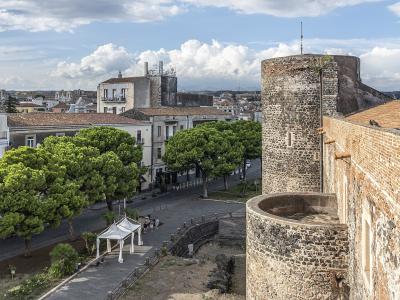
Castello Ursino
13th-century Swabian fortress and lava-surviving civic mu...
Archaeological Museums · Castles & Fortresses
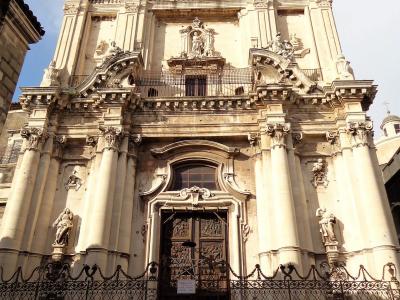
Chiesa di San Benedetto
Early 18th-century Baroque church in Catania
Art Museums · Cultural Tours

Grotta del Gelo
Natural ice cave with stalactites under Etna
Cave Exploring · Geological Sites

Mercato di Pesce (Fish Market)
Historic fish market with marble stalls
Free Historic Districts · Local Cuisine
Questions people ask
Quick Facts
Best Time to Visit
Visit between April and June or September and October for mild temperatures and fewer crowds.