







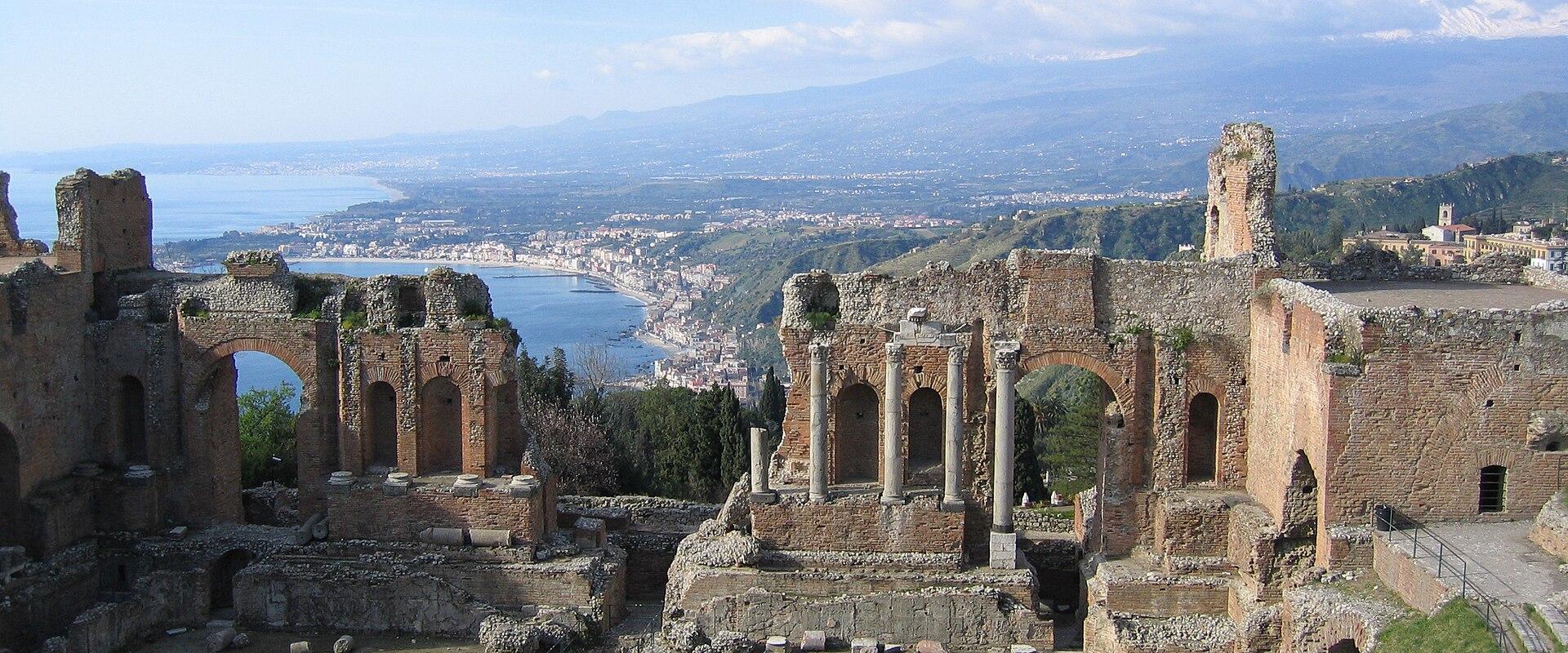
Taormina’s history reaches back to Greek colonists from Naxos, the first Greek settlement in Sicily, who founded the town in antiquity. The town, known as Tauromenium in Greek and Taormina in later periods, became significant in the Roman era, with the construction of the Teatro Greco (Greek Theater) and other public buildings. After the fall of Rome, Taormina was ruled by various powers, including the Byzantines, Arabs, and Normans. The Norman period left churches and fortifications, and the late medieval period saw the construction of the Palazzo Corvaja, a palace in a Gothic and Arab-influenced style that still stands beside the main square. In the 19th century Taormina became a fashionable resort for European aristocrats and artists, drawn by its mild climate and scenery. This era left a legacy of elegant hotels, villas, and gardens. The town has preserved its historic character while embracing modern tourism, offering a sophisticated experience that combines history, culture, and natural beauty.
The main attractions are centred on the ancient ruins and the scenic viewpoints. The Teatro Antico di Taormina, an ancient Greek theatre rebuilt in Roman times, is one of the most famous ancient theatres in the world, with views of Mount Etna and the sea behind the stage. The Piazza IX Aprile is a lovely square with churches and views of the coastline, set along the Corso Umberto, the main pedestrian thoroughfare. The Duomo di Taormina, dedicated to San Nicola di Bari, is a medieval cathedral on a smaller square. The Museo Civico Archeologico, in the Palazzo della Badia Vecchia, displays local finds. The public gardens known as the Giardini Taormina or Villa Comunale are a quiet park with exotic plants and sea views. The Isola Bella, a small rocky island connected to the mainland by a narrow strip of sand, is a protected nature reserve with a beach and clear water.
The Mount Etna cable car, on the southern slope of the volcano, is a popular excursion from the town, with transport by coach, and visitors can combine it with guided walks near the craters. The historic centre is a maze of narrow streets, lined with boutiques, cafes, and artisan shops.
Activities in Taormina include exploring the ancient sites, visiting the gardens, and enjoying the beaches. Visitors can take boat trips to Isola Bella or along the coast to see small coves. Hiking trails lead to the surrounding hills, with views of the Ionian Sea and Mount Etna. Dining features fresh seafood and traditional Sicilian cuisine, including granita and almond sweets, with many restaurants offering views from clifftop terraces. Shopping includes local ceramics, textiles, and food products. The town also hosts cultural events and festivals through the year, including the Taormina Film Fest. For those interested in history, guided tours explore the Greek and Roman heritage of the town.
Getting to Taormina is convenient by road and rail. The town is reached by car from Messina and Catania via the A18 motorway. The railway station, at the foot of the hill, has connections to Messina and Catania, and buses climb to the town. For those flying, the nearest airports are in Catania and Palermo, and Catania is much closer.
The best time to visit Taormina is from April to June or September to October, when the weather is mild and pleasant, ideal for outdoor activities and sightseeing. July and August are peak tourist months, with higher temperatures and larger crowds. Winter is mild but some services may be limited. Despite the seasonal variations, Taormina’s natural beauty and historic charm make it a rewarding destination year-round.
Best time to visit
Visit between April and June or September and October for mild temperatures and fewer crowds.
What to see in Taormina
Our picks first.
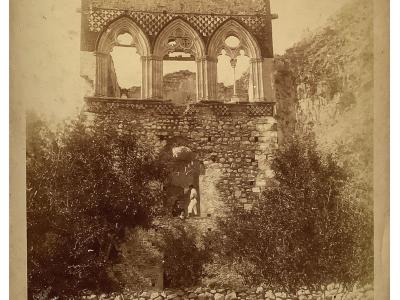
Museo Civic Archeologico
Hellenistic sculptures in Palazzo della Badia Vecchia
Free Archaeological Museums · Historic Palaces
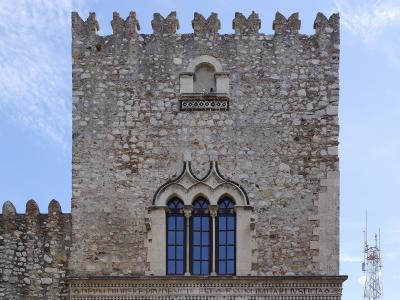
Palazzo Corvaja
14th-century medieval palace on Taormina's main street
Architectural Monuments · Historic Districts
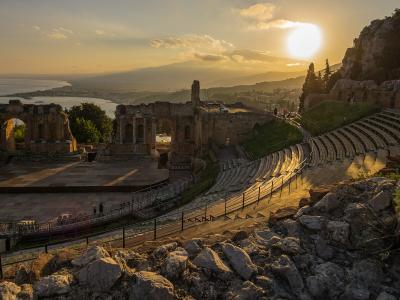
Teatro Antico di Taormina
Ancient Greek theater with views of Mount Etna
History & Heritage · Museums & Culture
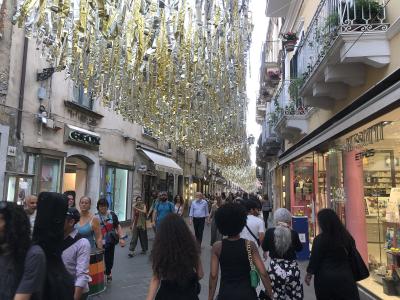
Corso Umberto
Main pedestrian street on ancient Roman Via Valeria
Free Historic Districts · Local Cuisine
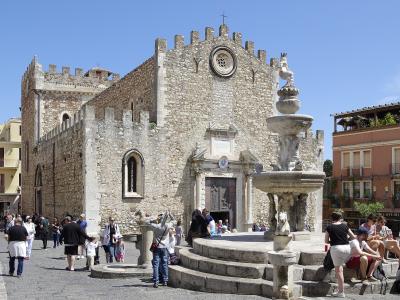
Duomo di Taormina (Cathedral of Saint Mary of the Island)
Gothic-Baroque fortress church in Piazza Duomo
Architectural Monuments · Historic Churches
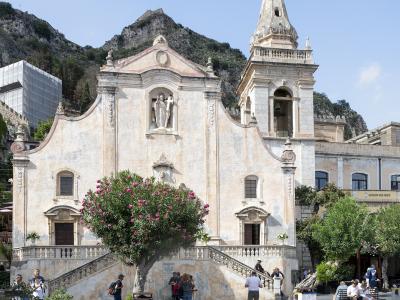
Piazza IX Aprile
Historic square with Sicilian Baroque church and Mount Et...
Historic Districts · Scenic Viewpoints
Taormina by interest
The same sights, grouped by what you came for.
Planning a visit to Taormina
Itineraries that include Taormina
Good to know
- Currency
- EUR
- Language
- Italian
Quick Facts
Book your stay
Questions people ask
More places in Sicily
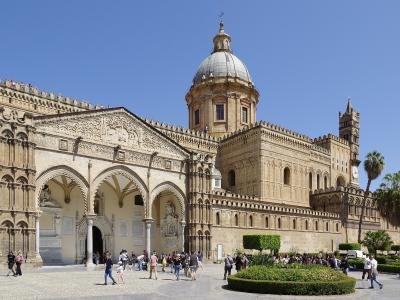
Sicily
Palermo
Sicily's vibrant capital blending Arab-Norman history with bustling markets
Sicily
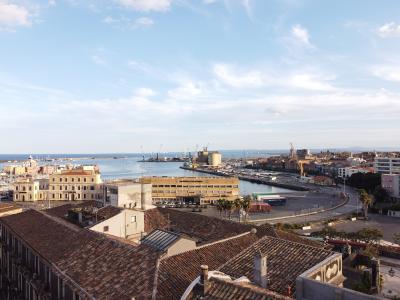
Catania
Vibrant Sicilian city beneath Mount Etna with Baroque architecture
Sicily
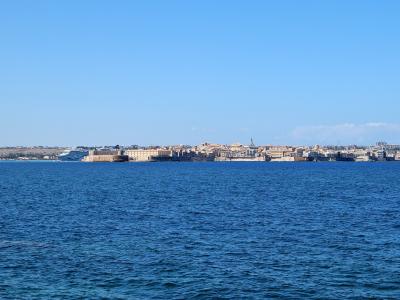
Siracusa
Ancient Greek metropolis in Sicily with Baroque Ortigia island
Sicily
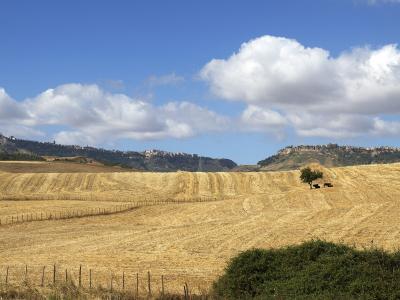
Enna
Central Sicilian hill town with Castle of Frederick II and Lake Pergusa