







- Where
- Catania, Sicily
- Directions
- Directions
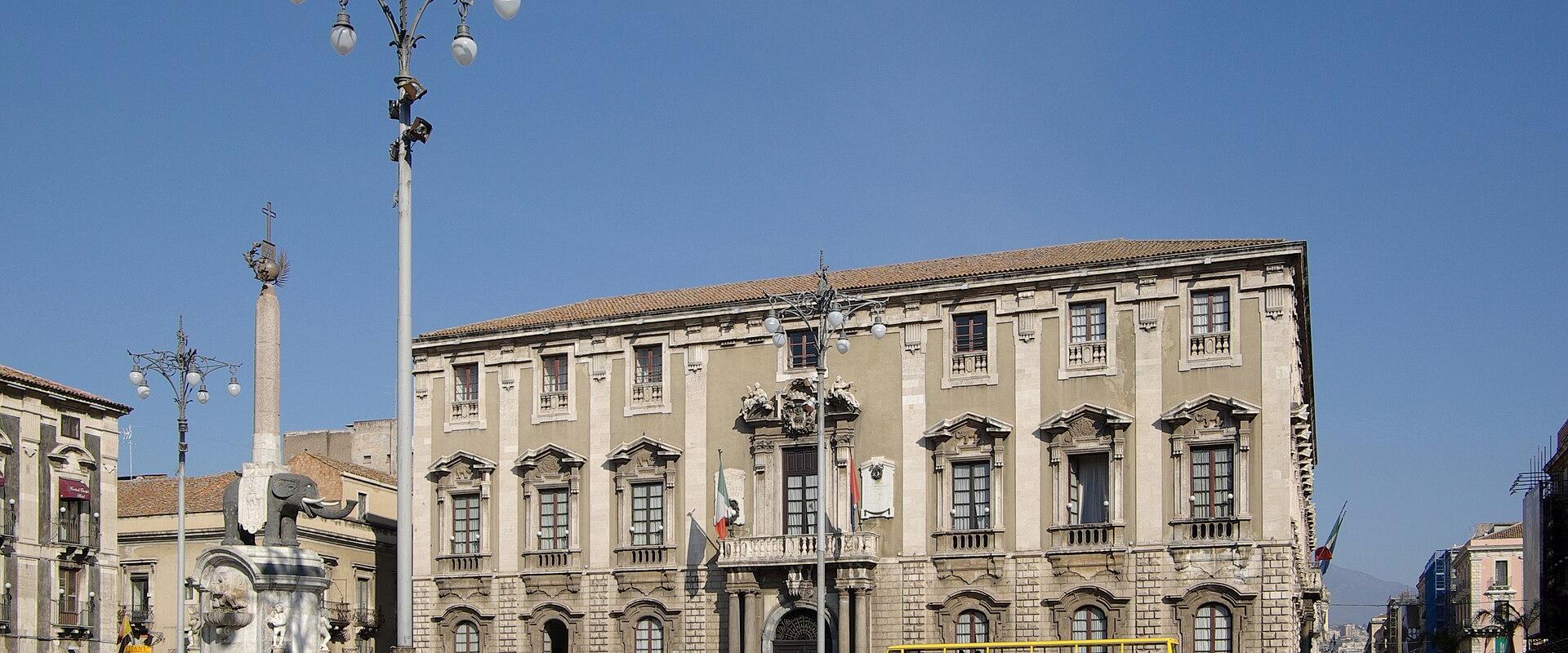
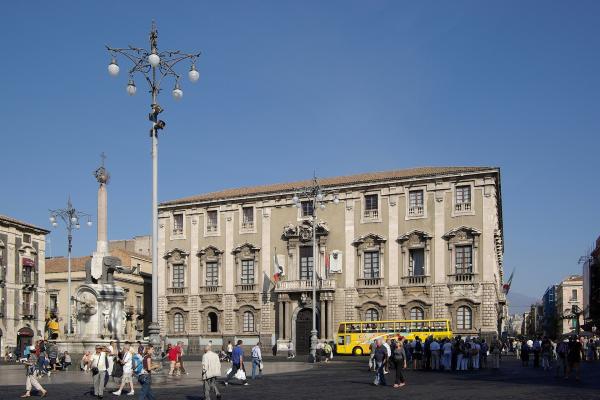
The Palazzo degli Elefanti is a striking architectural landmark in central Catania, Sicily. Located on the northern side of the main square, Piazza del Duomo, this historic building is the current seat of the city council. Its facade is a notable example of Sicilian Baroque architecture, characterized by its elegant design and historical significance.
The building's history is deeply rooted in the 17th century, with construction beginning in 1696 following the devastating earthquake that reshaped much of the region. The structure was originally designed by Giovan Battista Longobardo, with the main facade later completed by Giovanni Battista Vaccarini. In front of it stands the Fontana dell'Elefante, a lava-stone elephant carrying an obelisk, the symbol of the city, which gives the palace its name.
Visitors to the area often appreciate the building's aesthetic appeal and its central location, which provides easy access to other nearby attractions such as the Roman Amphitheatre and the University of Catania. The building's interior features artistic elements that reflect the cultural heritage of the region. While the exterior is a major draw, the interior spaces offer a glimpse into the administrative and historical functions of the site.
For those interested in the architectural and cultural heritage of Catania, the Palazzo degli Elefanti offers a compelling glimpse into the city's past. Its prominent position in the city center makes it a convenient stop for visitors exploring the area, providing both visual interest and a connection to the local history.
Catania was almost completely destroyed by an earthquake in 1693, and it was rebuilt with wide streets and grand Baroque buildings, many of them faced with dark lava stone from Mount Etna, which gives the city its distinctive look. The elephant in the square, known in Sicilian as "u Liotru", is an ancient lava sculpture, and local legend links it to a medieval magician named Heliodorus. Vaccarini arranged it on its fountain in the 1730s.
Opposite the palace stands the Cathedral of Sant'Agata, dedicated to the city's patron saint, whose festival in early February is one of the largest religious celebrations in the world, with huge crowds following her silver reliquary through the streets. A short walk from the square, the city's fish market, La Pescheria, is a lively scene each morning, and Via Etnea, the main shopping street, runs north with views of the volcano.
Categories
More photos coming soon
Nearby Attractions
Other places to visit in Catania
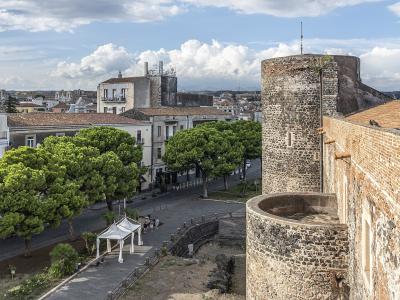
Castello Ursino
13th-century Swabian fortress and lava-surviving civic mu...
Archaeological Museums · Castles & Fortresses
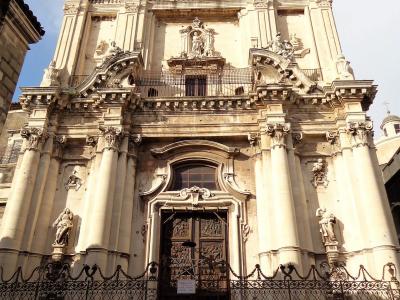
Chiesa di San Benedetto
Early 18th-century Baroque church in Catania
Art Museums · Cultural Tours
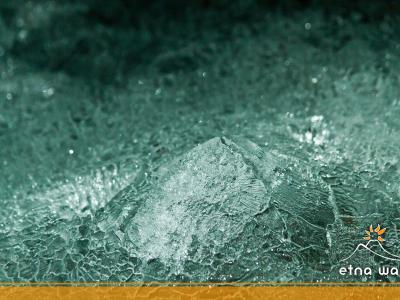
Grotta del Gelo
Natural ice cave with stalactites under Etna
Cave Exploring · Geological Sites
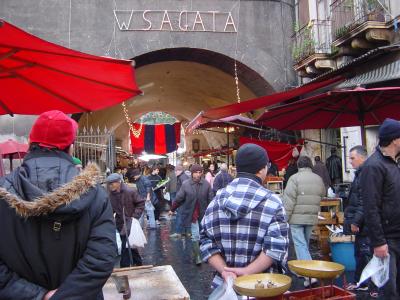
Mercato di Pesce (Fish Market)
Historic fish market with marble stalls
Free Historic Districts · Local Cuisine
Questions people ask
Quick Facts
Best Time to Visit
Visit between April and June or September and October for mild temperatures and fewer crowds.