







- Where
- Catania, Sicily
- Directions
- Directions
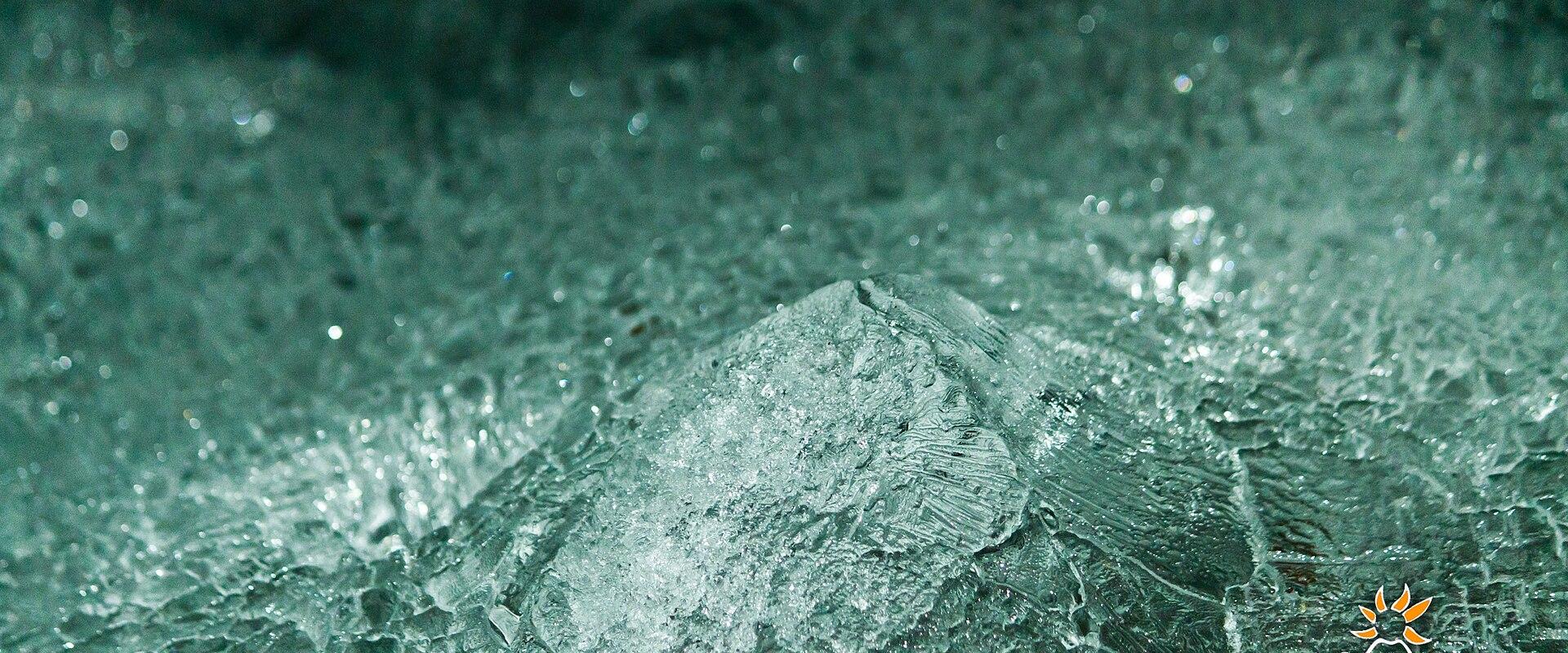
The Grotta del Gelo, the Cave of Ice, is a lava tube high on Mount Etna, the great volcano that dominates eastern Sicily and the city of Catania. Lava tubes form when a stream of molten lava develops a crust on the surface while the liquid rock continues to flow underneath. When the eruption ends, the molten rock drains away and leaves a long hollow tunnel in the solidified flow. On Etna there are many such tubes, and a few of them, at high altitude, are cold enough for snow and ice to accumulate and stay through the summer. The Grotta del Gelo is the best known of these. It has been described as the southernmost glacier in Europe, since a thick body of ice has long filled the cave floor and walls.
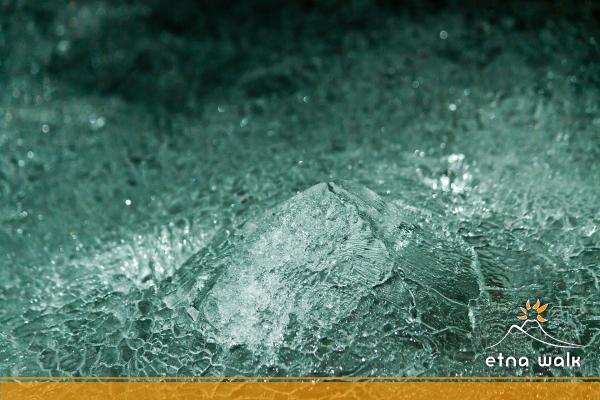
Inside, a visit is a journey into a different world. The ice has formed layers and sculpted shapes, with sheets, columns and icicles hanging from the roof, and in the past there were ice stalactites and stalagmites that made the cave a spectacle. The black volcanic rock around them gives a strong contrast to the pale ice, and a guide with lamps can bring out the colours. The air is below freezing, so warm clothing, gloves and good boots are essential, and helmets are normally required because of the rough rock. The amount of ice has changed over the decades, as warming has affected the ice and the cave, so what you see today can differ from what visitors found decades ago.
Access to the cave is limited, and it is usually reached on a guided excursion from the volcano’s slopes, combined with a walk over the lava fields. Such excursions are organised by local guides, and the route, the conditions and the availability depend on the season, the weather and the volcanic activity. Because Etna is an active volcano, with eruptions and restrictions on access to the high zone, visitors should check with the guides and the official authorities before going. This is not a cave to visit casually, and anyone planning to go should be fit enough for uneven ground at altitude.
The broader Etna area offers other attractions, among them craters, lava fields and forests, and the volcano itself is a UNESCO World Heritage site. In Catania, a city largely built of black lava stone, you can visit the Roman Amphitheatre, the Cathedral, the Castello Ursino, the Via Etnea, the Piazza del Duomo and the fish market, which are good ways to understand the relation between the city and the volcano. The cave suits adventurous visitors and those interested in geology, and offers a memorable contrast to the heat of the Sicilian summer.
Categories
More photos coming soon
Nearby Attractions
Other places to visit in Catania
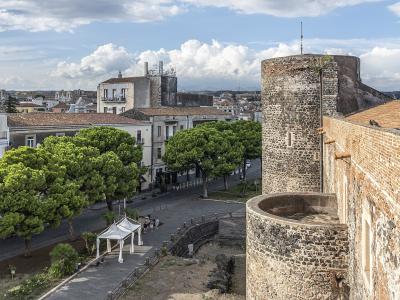
Castello Ursino
13th-century Swabian fortress and lava-surviving civic mu...
Archaeological Museums · Castles & Fortresses
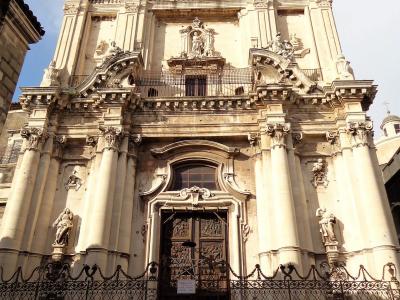
Chiesa di San Benedetto
Early 18th-century Baroque church in Catania
Art Museums · Cultural Tours
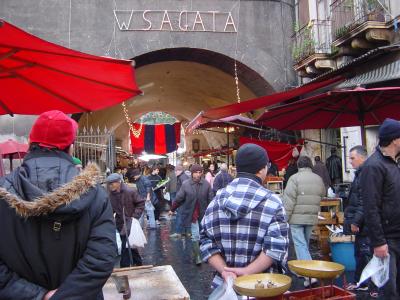
Mercato di Pesce (Fish Market)
Historic fish market with marble stalls
Free Historic Districts · Local Cuisine
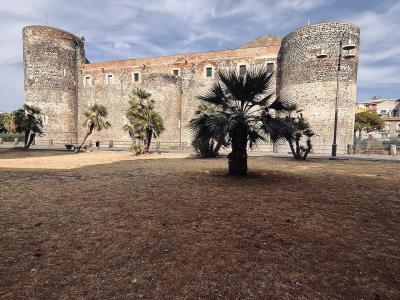
Museo Civico Castello Ursino
Medieval fortress housing diverse archaeological collections
Archaeological Museums · Castles & Fortresses
Questions people ask
Quick Facts
Best Time to Visit
Visit between April and June or September and October for mild temperatures and fewer crowds.