







- Hours
- Tuesdays, Fridays, and Saturdays
- Where
- Catania, Sicily
- Directions
- Directions
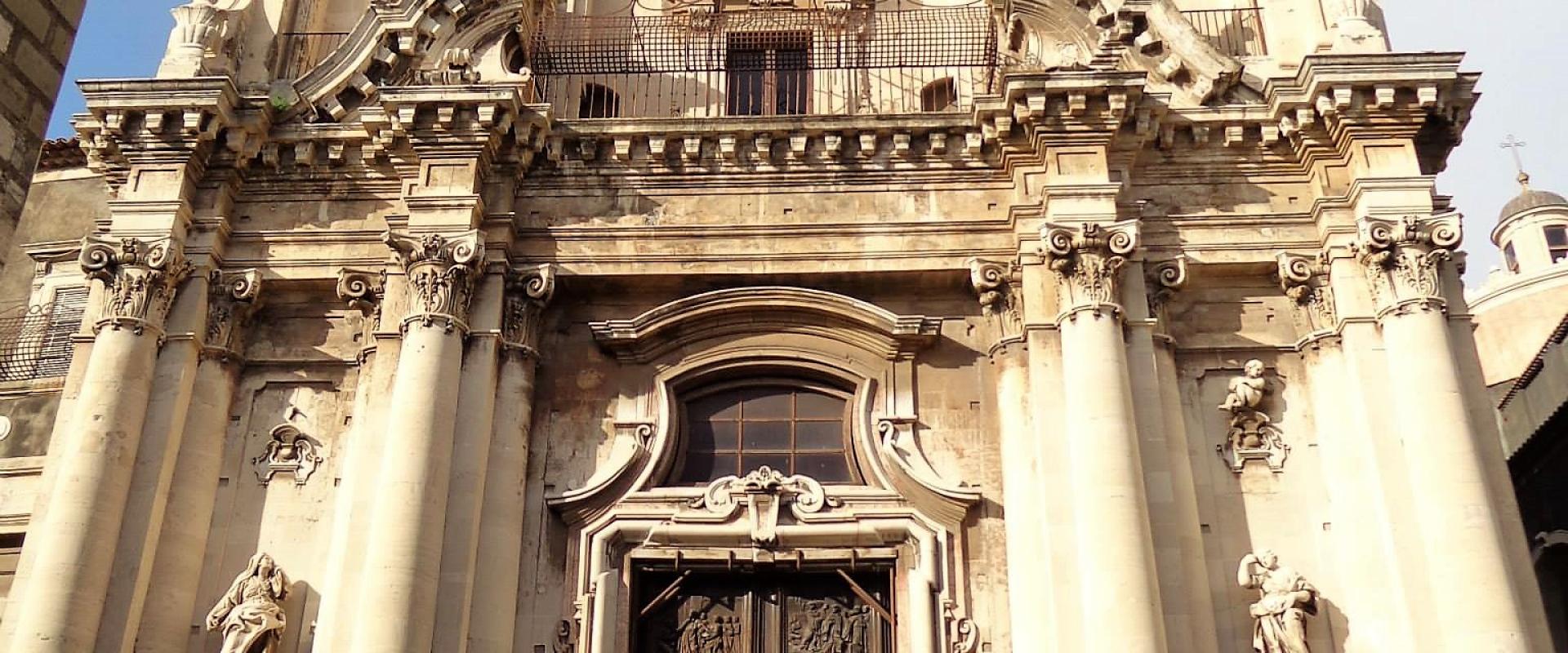
The Chiesa di San Benedetto, the Church of San Benedetto, is a Baroque church on Via Crociferi in the old centre of Catania, part of the complex of the Benedictine monastery of San Benedetto. It was built in the early eighteenth century, after the earthquake of 1693 destroyed much of eastern Sicily, and the architect is named as Alonzo Di Benedetto. Via Crociferi is one of the most striking streets of the city, lined with churches, convents and palaces of the same period, and it gives a good idea of how Catania was rebuilt in the Sicilian Baroque style.
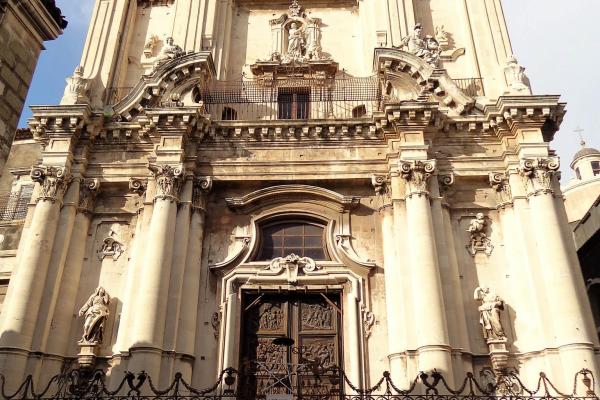
The church is known for its theatrical architecture. The facade rises in a curved, richly carved front of pale limestone and dark lava stone, a combination that is typical of Catania, where the volcanic rock of Mount Etna was used as a building material. Inside, the church is decorated with frescoes, stucco and gilding, and the ceiling paintings give an impression of space and drama. The interior reflects the height of Sicilian Baroque taste. An arch over the street connects the church to the monastery, a distinctive feature that is often photographed.
The complex of the monastery is part of the visit. Guided tours cover the church, the monastery, the parlour where the nuns spoke to visitors through a grille, a grand staircase, and a small museum, with a bookshop at the end. The tours give a detailed look at the religious and artistic life of the community. Visits are noted for specific days, including Tuesdays, Fridays and Saturdays, though schedules can change, and visitors are required to book tickets in advance, which ensures a structured visit.
It is important to respect the site's spiritual nature, with modest clothing and quiet behaviour. The church is still used for worship, and the visit is not a quick walk-through. Photography rules are explained by the guides.
The location is a major reason to come. Via Crociferi is close to the Cathedral and the Piazza del Duomo, and the street has several other Baroque churches and the Villa Cerami, so a walk along it is a short tour of Catania's historic centre. Catania’s old streets slope toward the sea, with the black lava stone pavement, and Etna is visible in the distance on clear days. Castello Ursino, the botanical garden and the fish market are all within reach on foot.
Plan about an hour for the guided tour, and check the booking arrangements online before going. Late morning is a good time, and the evening light on the street, when the facades glow, is lovely for a stroll.
Categories
More photos coming soon
Opening Hours
- Open
- Tuesdays, Fridays, and Saturdays
Hours and prices change, especially out of season. Check with the venue before you go.
Nearby Attractions
Other places to visit in Catania
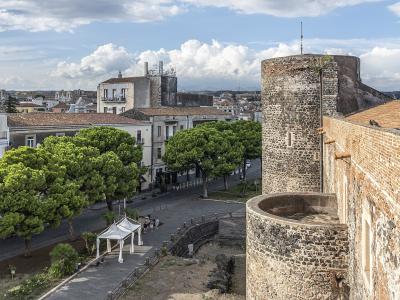
Castello Ursino
13th-century Swabian fortress and lava-surviving civic mu...
Archaeological Museums · Castles & Fortresses
Grotta del Gelo
Natural ice cave with stalactites under Etna
Cave Exploring · Geological Sites
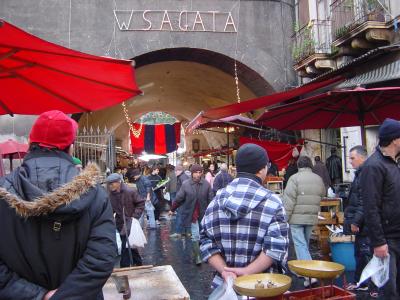
Mercato di Pesce (Fish Market)
Historic fish market with marble stalls
Free Historic Districts · Local Cuisine
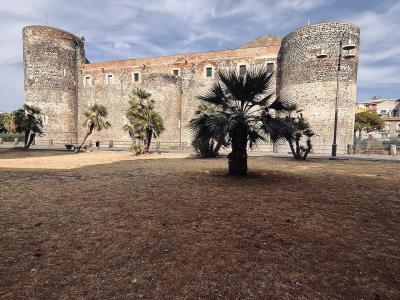
Museo Civico Castello Ursino
Medieval fortress housing diverse archaeological collections
Archaeological Museums · Castles & Fortresses
Questions people ask
Quick Facts
Best Time to Visit
Visit between April and June or September and October for mild temperatures and fewer crowds.