







- Where
- Siracusa, Sicily
- Directions
- Directions
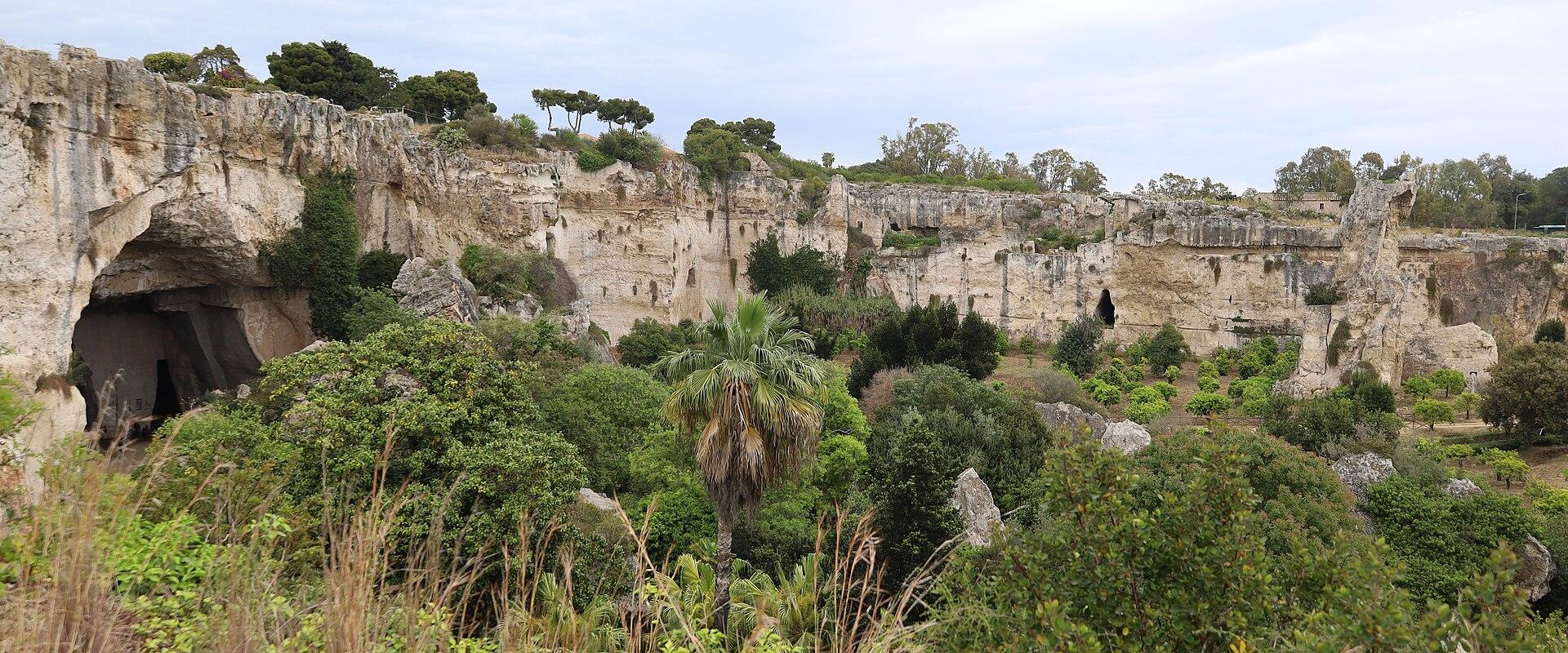
The Neapolis Archaeological Park in Syracuse is a UNESCO World Heritage site and the city’s most visited archaeological area, featuring significant remains from the ancient Greek and Roman periods. It lies on the mainland, in the northwestern part of the modern city, about two kilometers from the island of Ortygia, and it occupies the area where, in the 5th century BC, the new city, the Neapolis, expanded beyond the original settlement, when Syracuse was one of the most powerful cities in the Greek world, the rival of Athens and Carthage. The monuments sit in a landscape of limestone quarries, scrub and citrus trees.
Key monuments include the Greek Theater, the Roman Amphitheater, ancient stone quarries, the Ear of Dionysus and the Altar of Hieron. The Greek Theater, carved into the hillside, dates from the 5th century BC and was enlarged in the 3rd century BC, when it could seat about fifteen thousand spectators in rows cut from the living rock. It is among the largest and best-preserved theaters of the Greek world, and the playwright Aeschylus is said to have staged his works here, including the first performance of The Persians in Sicily. Today, classical Greek dramas are still performed there every spring, in a festival that attracts audiences from across Italy. The Roman Amphitheater, from the 3rd century AD, was used for gladiator contests and is one of the largest in Sicily, with an oval arena about 140 meters long. The Altar of Hieron II, of the 3rd century BC, was a gigantic sacrificial altar, around two hundred meters long, for the ritual slaughter of hundreds of animals at festivals.
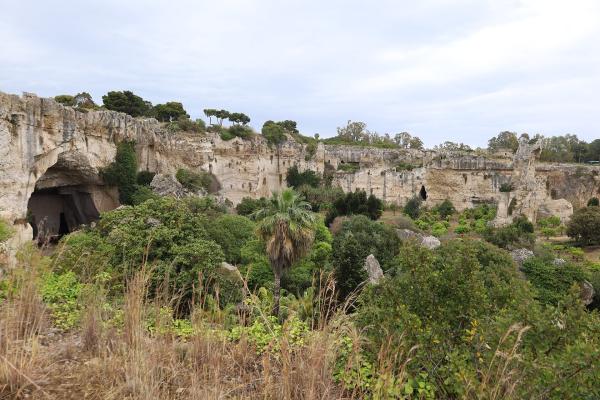
The ancient stone quarries, the latomie, are among the most atmospheric parts of the park. Tall cliffs of golden limestone, from which the stone for the city’s buildings was cut, surround a green hollow filled with citrus trees, ferns and flowers, and one of the caves cut into the cliff is the famous Ear of Dionysus, a high, curving cave about 23 meters tall, with remarkable acoustics. The painter Caravaggio, who visited Syracuse in 1608, gave the cave its name, and the legend is that the tyrant Dionysius used it as a prison and eavesdropped on his prisoners. Nearby, the Cave of the Ropemakers, where rope was twisted, is another spectacle.
A typical visit lasts approximately 1.5 hours. The best times to visit are spring and autumn; however, visitors should avoid midday in summer due to extreme heat. Early morning or late afternoon visits are recommended year-round to avoid crowds, particularly school groups in spring. Visitors can explore the park independently, join group tours or hire private guides, with booking in advance advised during peak season. Audioguides and guided tours are available to enhance the experience. The park includes souvenir and book shops, and a downloadable PDF map highlighting the main monuments is provided to assist navigation. Practical information regarding parking, opening hours and entrance fees is available for planning purposes.
Exploring the Neapolis Archaeological Park offers insight into Syracuse’s Greek and Roman heritage. It is an essential stop to appreciate the region’s archaeological legacy. The combination of historical depth and monumental scale makes it a memorable destination. It complements visits to other landmarks in Syracuse, such as the Temple of Apollo and the Grotticelli Necropolis, providing a view of the city’s identity. Visitors are advised to wear comfortable shoes suitable for walking on uneven terrain and to bring water, especially during the summer months.
Categories
More photos coming soon
Nearby Attractions
Other places to visit in Siracusa
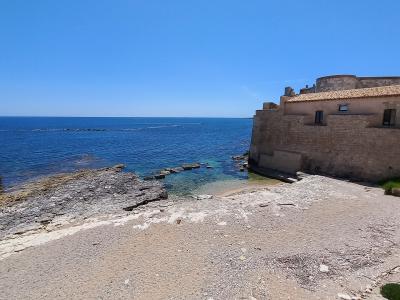
Castello Maniace
Byzantine fortress with 18m high walls
Architectural Monuments · Castles & Fortresses
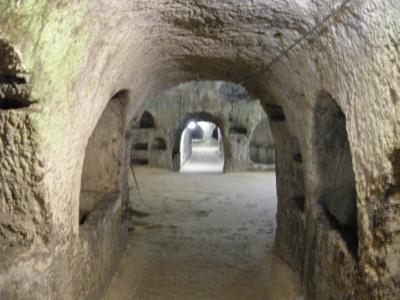
Catacombs of San Giovanni
Sicilian catacombs with monumental rotundas
Archaeological Museums · Historic Cemeteries
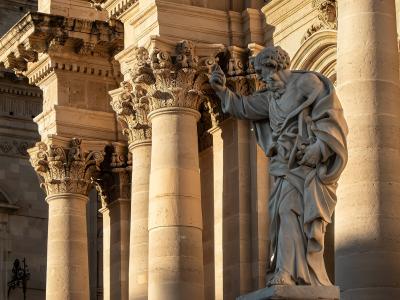
Duomo di Siracusa (Cathedral of Syracuse)
Baroque cathedral built on a Greek temple
Ancient Ruins · Architectural Monuments
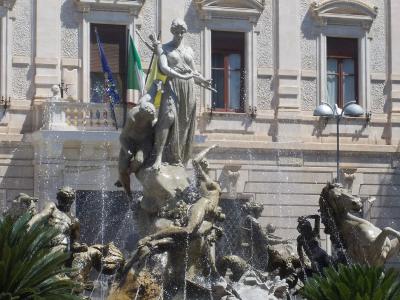
Fontana di Artemide
1907 fountain depicting Artemis and Alpheus myth
Historic Fountains · Public Statues
Questions people ask
Quick Facts
Best Time to Visit
Visit between April and June or September and October for mild temperatures and fewer crowds.