







- Admission
- Free access
- Individual attractions charge fees
- Hours
- Open at all times
- Where
- Siracusa, Sicily
- Directions
- Directions
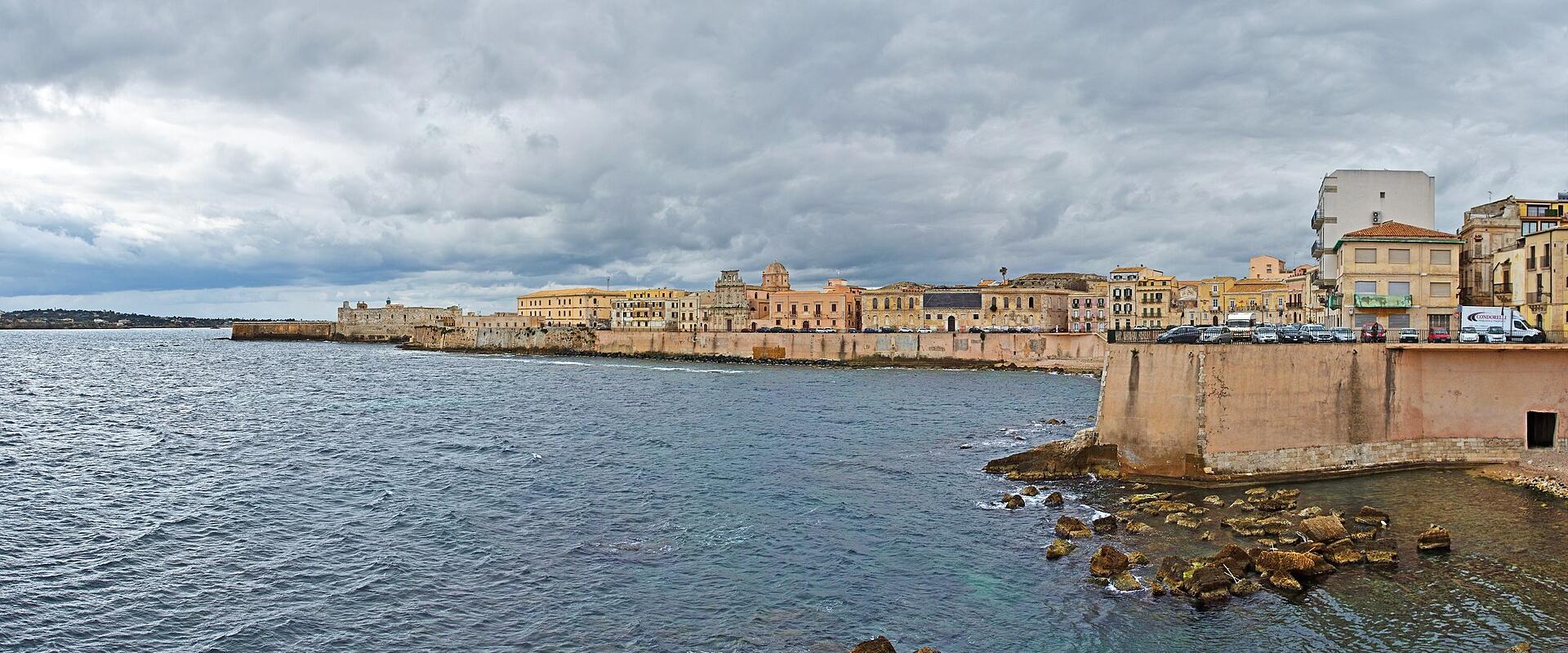
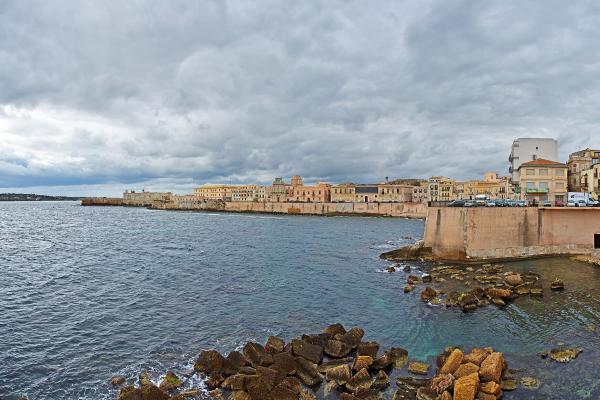
Ortygia is the historic center of Siracusa, Sicily, described by the Roman orator Cicero as the biggest and most beautiful Greek city. It is a 2,700-year-old site founded by Corinthians in 734 B.C., when settlers from Corinth chose this small island, separated from the mainland by a narrow channel and offering two natural harbors, as the site of a new colony. The island is small and easy to navigate, offering a distinct experience compared to the labyrinthine streets of other Sicilian cities, and walking from one end to the other takes about twenty minutes. Access to Ortygia as an island district is free and open at all times, and visitors do not need a ticket to walk its streets or squares.
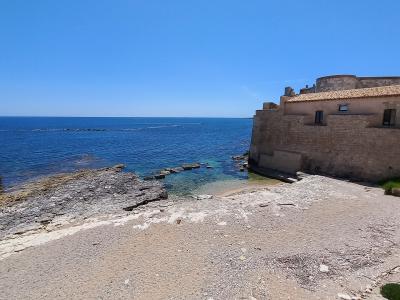
Key attractions within Ortygia include the Temple of Apollo, the Piazza Duomo featuring the Cathedral, the Fountain of Arethusa, Castello Maniace and the Jewish Ritual Baths. The Temple of Apollo, built in the 6th century BC, is the oldest Doric temple in Sicily, and its ruined columns stand at the entrance to the island. Piazza Duomo, with its Baroque palaces and the cathedral built into a Greek temple, is among the loveliest squares in Italy, and nearby is the church of Santa Lucia alla Badia, with a famous painting by Caravaggio. The Fountain of Arethusa, a freshwater spring by the sea, is surrounded by papyrus plants, which flourish here, and by ducks, and is linked in myth to the nymph Arethusa, who was pursued by the river god Alpheus and turned into a spring. At the southern tip, Castello Maniace, a fortress built by Emperor Frederick II in the 13th century, guards the entrance to the harbor. The Jewish Ritual Baths, the miqwe, are in the old Jewish quarter, in a cavernous underground space with a spring, among the oldest in Europe.
While the island itself is free to explore, individual attractions such as Castello Maniace and the Cathedral's museum areas charge separate admission fees. Visitors are advised to check each site directly for current prices before visiting. Beyond the monuments, the pleasures of Ortygia are the streets themselves: narrow lanes with balconies and washing lines, small squares with cafes, the morning market near the Temple of Apollo, with its stalls of fish, fruit, cheese and spices, and the seafront promenades, where residents walk in the evening. Siracusa is known for its seafood, almond pastries and granita, and the island has many restaurants and bars.
It is suggested to split a visit into one day for Ortygia Island and one day for the nearby Archaeological Park of Néapolis, on the mainland, which contains the Greek Theatre and the Ear of Dionysius, a limestone cave shaped like an ear, with remarkable acoustics. Exploring Ortygia offers insight into Siracusa’s Greek heritage, and the island, together with the rock-cut necropolis of Pantalica, is a UNESCO World Heritage site. It is an essential stop to appreciate the region’s ancient history. The combination of historical depth and coastal beauty makes it a memorable destination. It complements visits to other landmarks in Sicily, providing a view of the island’s identity. Visitors are advised to allocate sufficient time to wander the narrow alleys and enjoy the vibrant atmosphere of the historic center.
Categories
More photos coming soon
Hours & Fees
- Open
- Open at all times
- Admission
- Free access; individual attractions charge fees
Hours and prices change, especially out of season. Check with the venue before you go.
Nearby Attractions
Other places to visit in Siracusa
Castello Maniace
Byzantine fortress with 18m high walls
Architectural Monuments · Castles & Fortresses
Catacombs of San Giovanni
Sicilian catacombs with monumental rotundas
Archaeological Museums · Historic Cemeteries
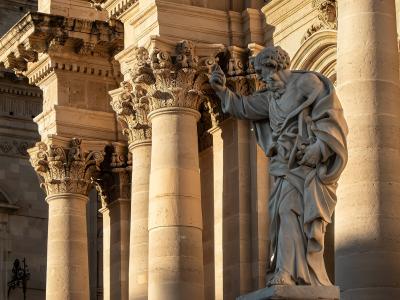
Duomo di Siracusa (Cathedral of Syracuse)
Baroque cathedral built on a Greek temple
Ancient Ruins · Architectural Monuments
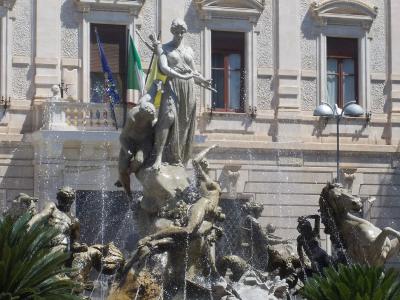
Fontana di Artemide
1907 fountain depicting Artemis and Alpheus myth
Historic Fountains · Public Statues
Questions people ask
Quick Facts
Best Time to Visit
Visit between April and June or September and October for mild temperatures and fewer crowds.