







- Admission
- Tickets available via official regional site or T
- Hours
- Open most days with seasonal variations; check official website for current hours
- Where
- Siracusa, Sicily
- Directions
- Directions
The Parco Archeologico della Neapolis is the main archaeological area of Syracuse, in south-eastern Sicily, and it lies on a hill above the modern city, on the mainland, a little north-west of the old island district of Ortygia. In the 5th century BC, Syracuse was one of the greatest cities of the Greek world, ruled by tyrants such as Gelon and Dionysius, who defeated the Carthaginians and made the city a rival to Athens, and the neighbourhood called Neapolis, the new city, was the district where the people lived, worked and gathered for entertainments. The monuments that remain in the park span the Greek and Roman periods, and together they give a vivid picture of the ancient city.
The Greek Theatre is the greatest monument. It was cut into the rock of the hillside in the 5th century BC and enlarged in the 3rd century BC under the king Hieron II, and it is one of the largest theatres of the ancient world, with a semicircular auditorium of tiers of seats carved from the limestone, which could hold well over ten thousand spectators. The great tragedian Aeschylus is said to have presented his plays here, and the theatre is still used for performances of classical drama every year in late spring, a unique setting for an ancient play. Just above the theatre, a path leads to a grotto with a nymphaeum and an artificial waterfall.
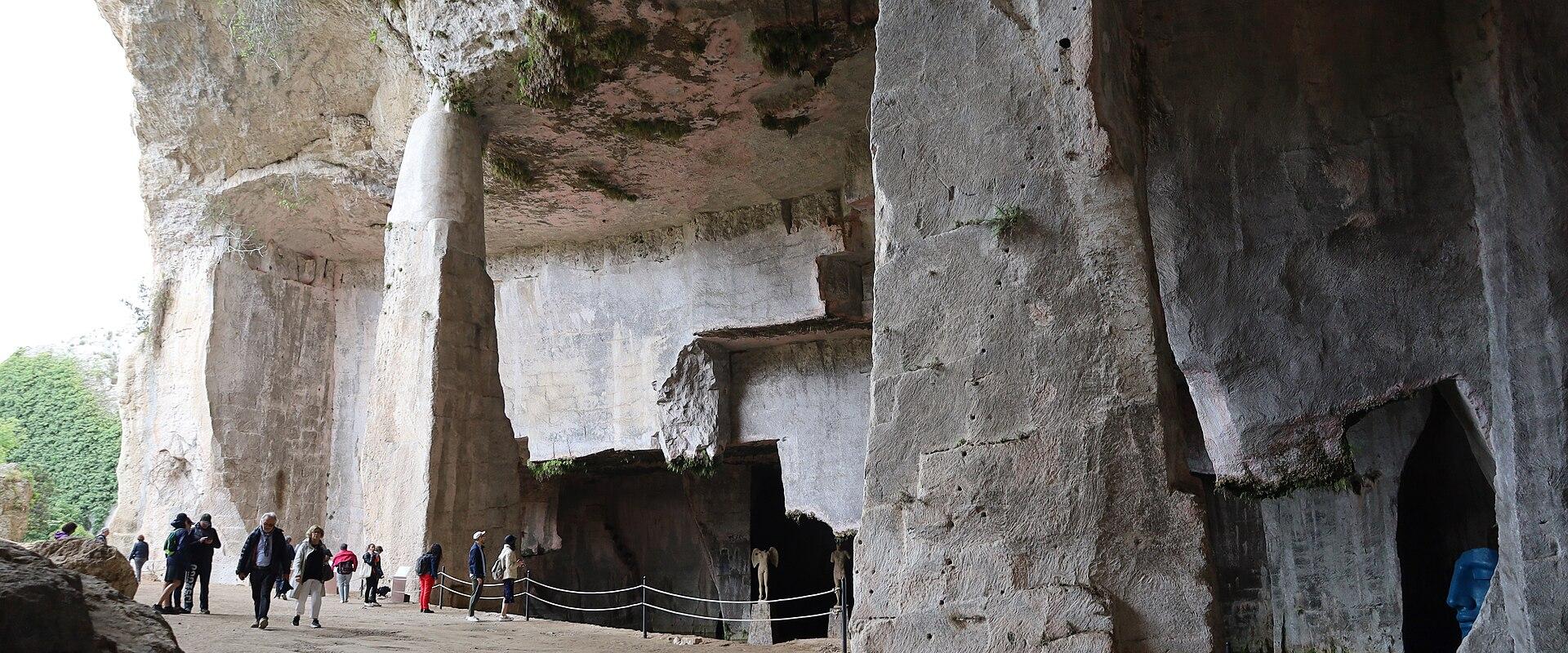
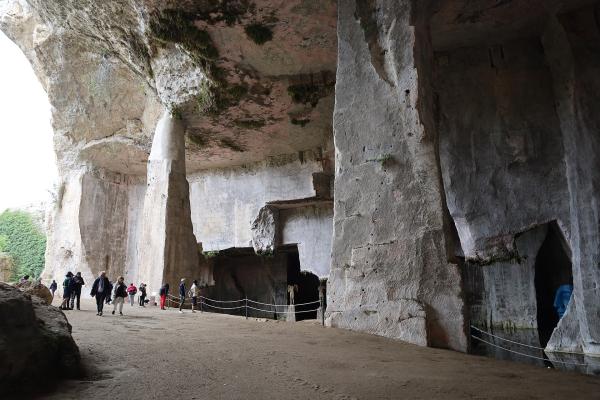
The Roman Amphitheatre, a vast oval arena of the 3rd century AD, is one of the largest in Sicily, and it was used for gladiator fights and hunts, with the seating partly cut from the rock and partly built, and a central pit below the arena. Close by is the Altar of Hieron, a monument of the 3rd century BC, a gigantic platform some two hundred metres long on which hundreds of animals could be sacrificed at once, the biggest altar ever built by the Greeks, though little of it survives above the foundations. Nearby is the Latomia del Paradiso, a huge quarry where limestone was cut for the city’s buildings, now a garden of citrus trees, with high cliffs and caves. The most famous cave is the Ear of Dionysius, a tall, narrow, S-shaped cavern about twenty metres high with remarkable acoustics, which was named by the painter Caravaggio in 1608, after the tyrant Dionysius, who was said to listen to the whispers of prisoners.
Tickets are bought at the entrance or online, and opening hours vary by season, so check the regional website for current details. The park is large and exposed, with little shade in summer, so bring water, a hat and good shoes, and go early in the day. A visit takes two to three hours. Ortigia, as Ortygia is also written, has the historic centre. The Museo Archeologico Regionale Paolo Orsi, one of the great archaeological museums of Sicily, is nearby, as is the Grotticelli Necropolis, and the island of Ortygia, with the Duomo di Siracusa, Castello Maniace and the Fontana di Artemide, lies a short drive or walk away. The park suits anyone interested in the ancient Greek world and in Sicily’s past.
Categories
More photos coming soon
Hours & Fees
- Open
- Open most days with seasonal variations; check official website for current hours
- Admission
- Tickets available via official regional site or T
Hours and prices change, especially out of season. Check with the venue before you go.
Nearby Attractions
Other places to visit in Siracusa
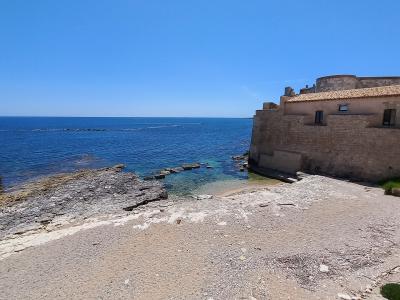
Castello Maniace
Byzantine fortress with 18m high walls
Architectural Monuments · Castles & Fortresses
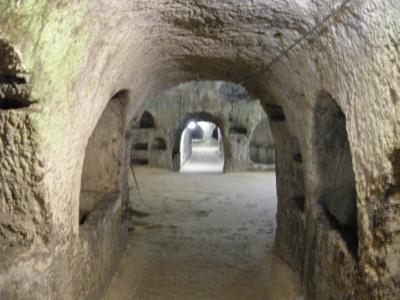
Catacombs of San Giovanni
Sicilian catacombs with monumental rotundas
Archaeological Museums · Historic Cemeteries
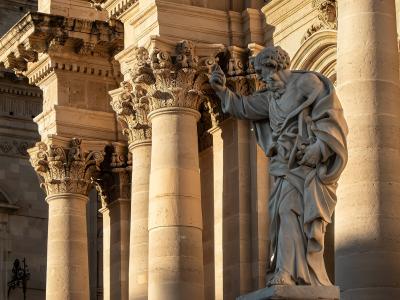
Duomo di Siracusa (Cathedral of Syracuse)
Baroque cathedral built on a Greek temple
Ancient Ruins · Architectural Monuments
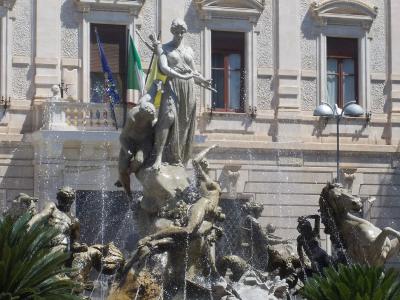
Fontana di Artemide
1907 fountain depicting Artemis and Alpheus myth
Historic Fountains · Public Statues
Questions people ask
Quick Facts
Best Time to Visit
Visit between April and June or September and October for mild temperatures and fewer crowds.