







- Where
- Siracusa, Sicily
- Directions
- Directions
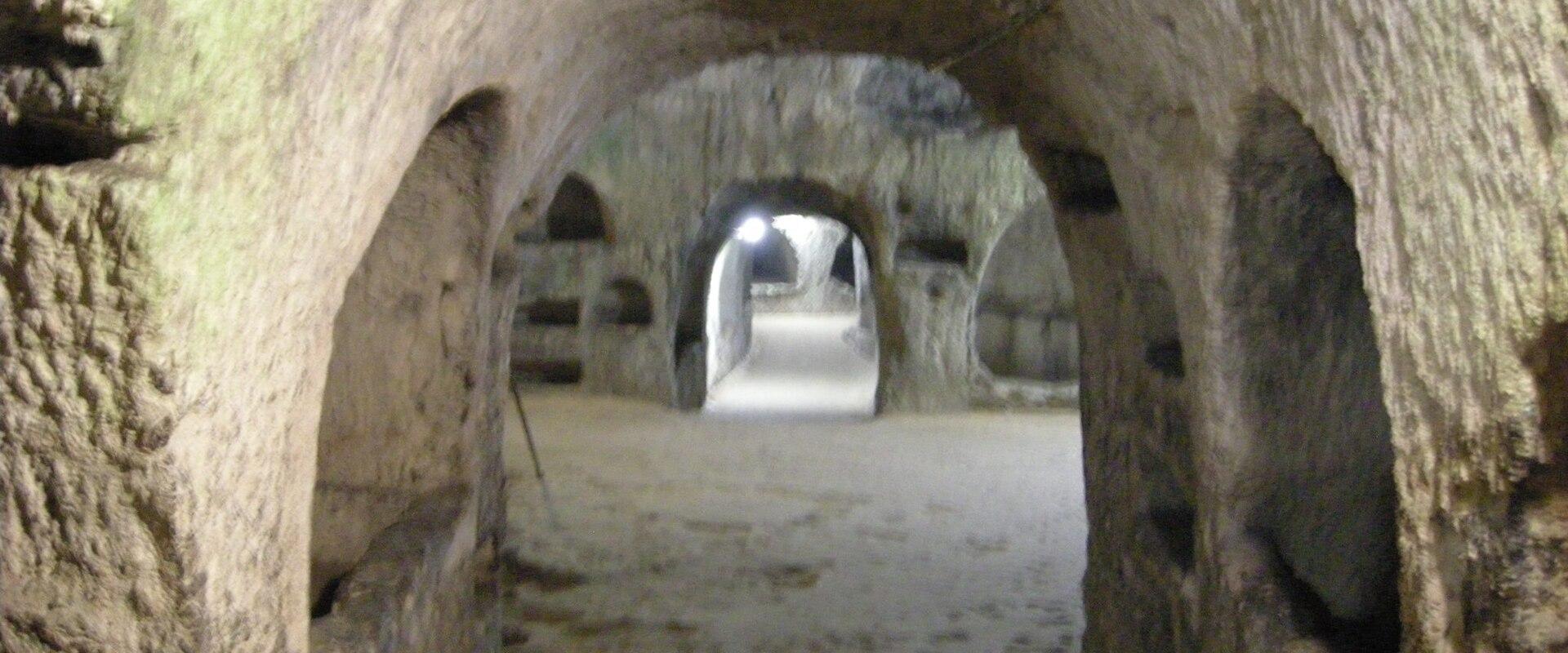
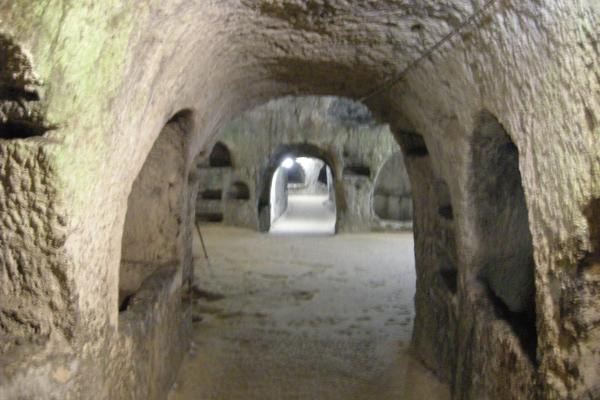
Beneath the historic Neapolis district of Siracusa, the Catacombs of San Giovanni offer a profound glimpse into the city's early Christian past. Dating from the fourth to sixth centuries AD, this extensive network of underground burial chambers is carved directly into the limestone bedrock. As one of the largest and best-preserved early Christian burial sites in Sicily, the complex reveals how the community lived and worshipped beyond the visible grandeur of above-ground temples and theatres.
Visitors are guided through corridors and rooms that were originally adapted from ancient quarries and pre-existing chambers. The layout centers around a place of worship dedicated to Saint Marcian, Syracuse's first bishop, with archaeological remains of a paleochristian basilica connecting the prayer area to the cemetery. This architectural integration highlights the seamless relationship between daily religious life and burial practices in late antiquity.
The experience is intimate and atmospheric, allowing visitors to walk through the same passages used by Syracuse's Christian community during the city's peak as a major Mediterranean hub. While the site fell into disuse and was covered over during medieval urban changes, modern systematic studies have since reconstructed its layout for public viewing. The tour provides a quiet, reflective contrast to the bustling archaeological zones above, emphasizing the hidden layers of history that define Siracusa. This site remains a significant cultural landmark, offering a tangible connection to the spiritual heritage of ancient Sicily.
Above the catacombs stand the ruins of the church of San Giovanni Evangelista, once the city's cathedral, its roofless walls and rose window rebuilt by the Normans. Below it lies the crypt of San Marciano, where, according to tradition, Saint Paul preached when he stopped at Syracuse on his way to Rome. Visits are by guided tour only, and the corridors are cool all year, a welcome relief on a summer day.
The catacombs are close to the Neapolis Archaeological Park, with its great Greek Theatre, the Roman amphitheatre and the cave known as the Ear of Dionysius, so the two sites combine well. The island of Ortigia, the historic core of the city, is a short drive or a longer walk south.
More photos coming soon
Nearby Attractions
Other places to visit in Siracusa
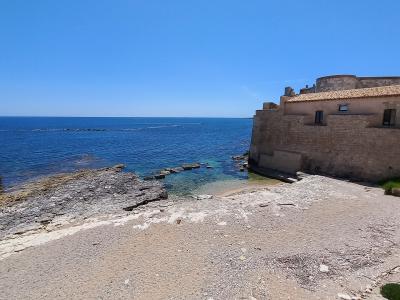
Castello Maniace
Byzantine fortress with 18m high walls
Architectural Monuments · Castles & Fortresses
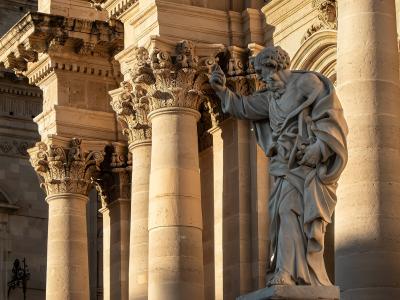
Duomo di Siracusa (Cathedral of Syracuse)
Baroque cathedral built on a Greek temple
Ancient Ruins · Architectural Monuments
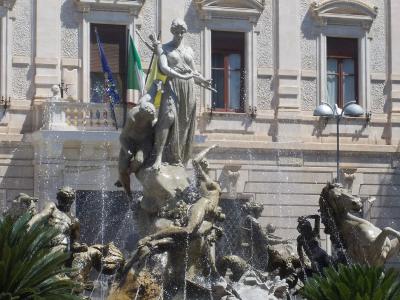
Fontana di Artemide
1907 fountain depicting Artemis and Alpheus myth
Historic Fountains · Public Statues
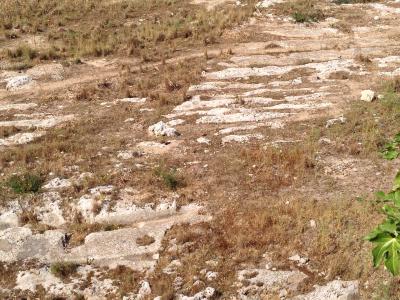
Grotticelli Necropolis
Rock-cut Greek and Roman necropolis in Siracusa
Ancient Ruins · Cultural Tours
Questions people ask
Quick Facts
Best Time to Visit
Visit between April and June or September and October for mild temperatures and fewer crowds.