







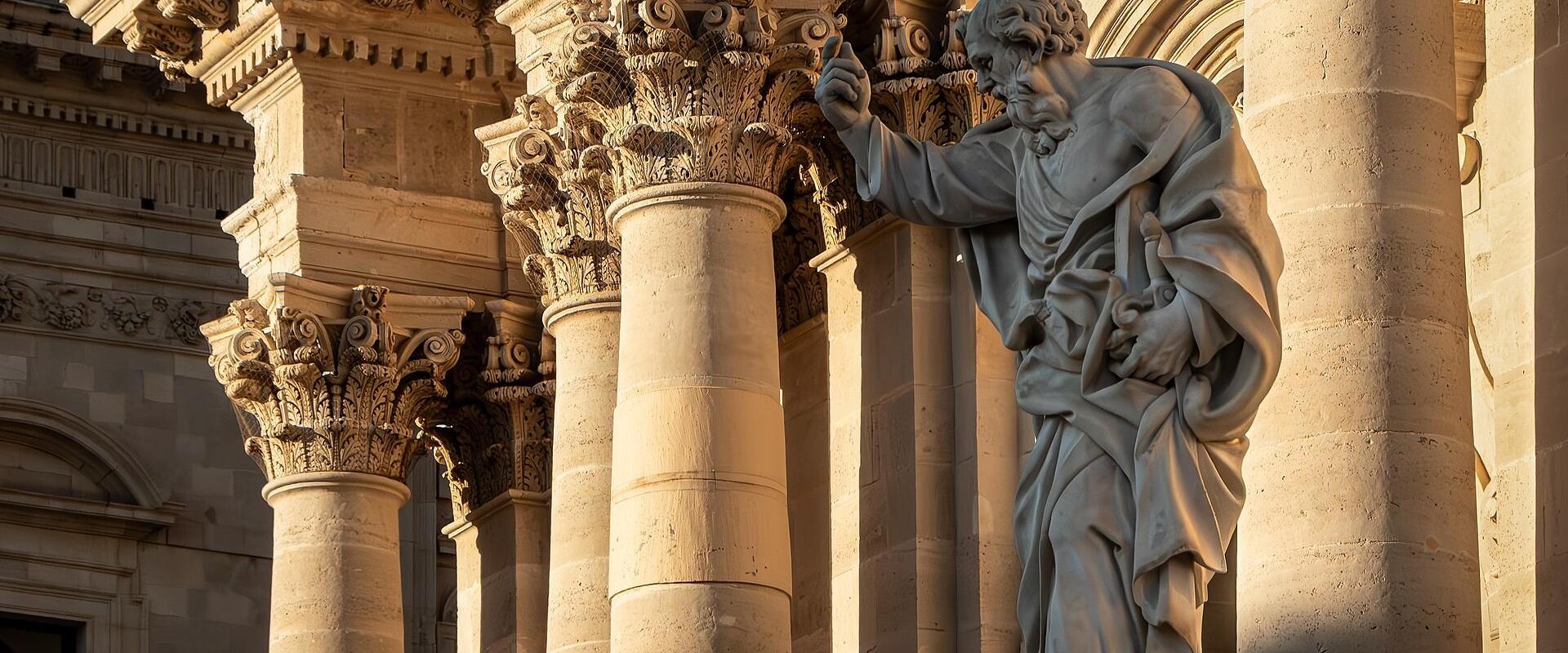
Duomo di Siracusa (Cathedral of Syracuse)
Baroque cathedral built on a Greek temple
- Hours
- Masses: Sunday and holidays at 8:00, 11:30, and 19:00.
- Where
- Siracusa, Sicily
- Directions
- Directions
The Duomo di Siracusa, or Cathedral of the Holy Nativity of Mary, is a significant landmark in Ortigia, the old island core of Syracuse, in the southeast of Sicily, renowned for its unique architectural synthesis. It stands on Piazza Duomo, a wide, elegant square of pale stone and Baroque palaces that is one of the most beautiful in Italy, and its facade looks like the front of a Baroque theater. Built upon the remains of the 5th-century B.C. Greek Temple of Athena, the structure embodies centuries of cultural layers, and it is a rare example of a building where the walls of an ancient temple were turned into the walls of a church.
The history is told in the fabric of the building. The Doric columns of the Greek temple, built to celebrate a victory over the Carthaginians, were incorporated into the walls of the church when the temple was converted for Christian worship in the early Byzantine period, and they are visible both inside, along the aisles, and outside, along the north flank, where the shape of the old colonnade can be seen. The site was converted into a Byzantine church in the early Middle Ages and possibly used as a mosque during the Arab conquest in the 9th century. The Normans renovated the building in the 11th century, though the original Norman facade and bell tower were destroyed by the 1693 earthquake. The current dramatic Baroque facade, designed by architect Andrea Palma, was built in the first half of the 18th century and is a statement of the region’s resilience and artistic evolution, with a curved front, columns, statues and strong shadows.
Visitors entering the cathedral are greeted by an interior featuring polychrome marble flooring and mosaics, reflecting the building’s complex history as a symbol of Sicily’s cultural melting pot. The juxtaposition of the ancient Greek columns within the Baroque interior offers a striking visual experience, as the massive stone shafts of the temple, with their simple capitals, rise next to the side chapels with their painted altars and decorations. The effect is one of continuity, as if the structures of different times grew into one another. Among the works inside are a silver statue of Saint Lucy, the city’s patron saint, kept in a nearby chapel, and carved wooden doors, and a project of 3D virtual tour makes it possible to explore the building online.
The cathedral is located at Piazza Duomo 5 and is accessible to the public. Masses are held on Sundays and holidays at 8:00, 11:30 and 19:00, and the interior may be closed to visitors during services. Modest dress is expected. A small fee may be charged for entry in some seasons, so it is wise to check locally.
The experience of exploring the Duomo provides a deep insight into the historical and religious heritage of Syracuse. It is a central point for understanding the city’s development from ancient Greek times through the Norman and Baroque periods. Next to the square, the church of Santa Lucia alla Badia holds a painting by Caravaggio, the Burial of Saint Lucy, and the Fountain of Arethusa, a freshwater spring by the sea, is a short walk away. For visitors, the cathedral offers a profound connection to the past, combining architectural beauty with historical significance in Ortigia.
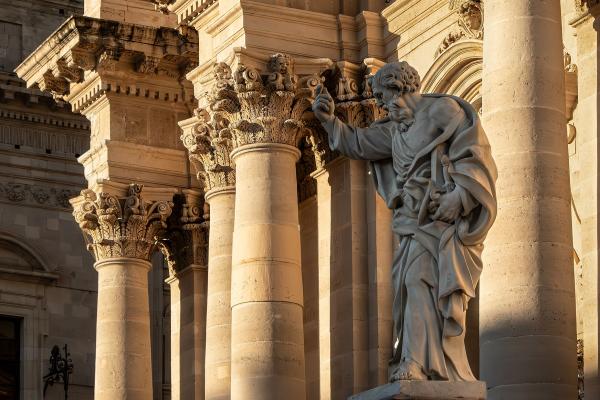
More photos coming soon
Opening Hours
- Open
- Masses: Sunday and holidays at 8:00, 11:30, and 19:00.
Hours and prices change, especially out of season. Check with the venue before you go.
Nearby Attractions
Other places to visit in Siracusa
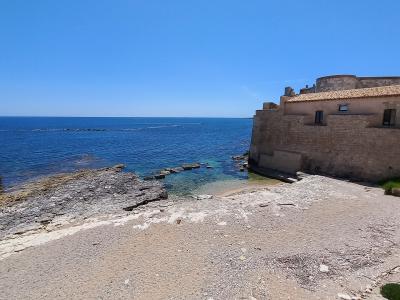
Castello Maniace
Byzantine fortress with 18m high walls
Architectural Monuments · Castles & Fortresses
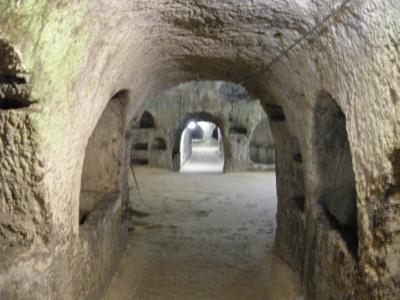
Catacombs of San Giovanni
Sicilian catacombs with monumental rotundas
Archaeological Museums · Historic Cemeteries
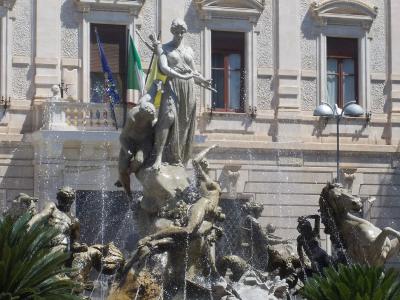
Fontana di Artemide
1907 fountain depicting Artemis and Alpheus myth
Historic Fountains · Public Statues
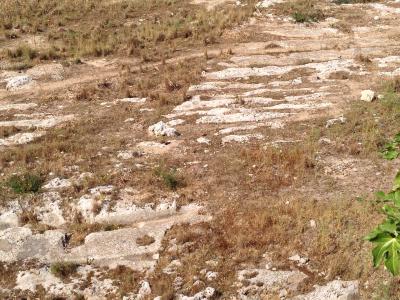
Grotticelli Necropolis
Rock-cut Greek and Roman necropolis in Siracusa
Ancient Ruins · Cultural Tours
Questions people ask
Quick Facts
Best Time to Visit
Visit between April and June or September and October for mild temperatures and fewer crowds.