







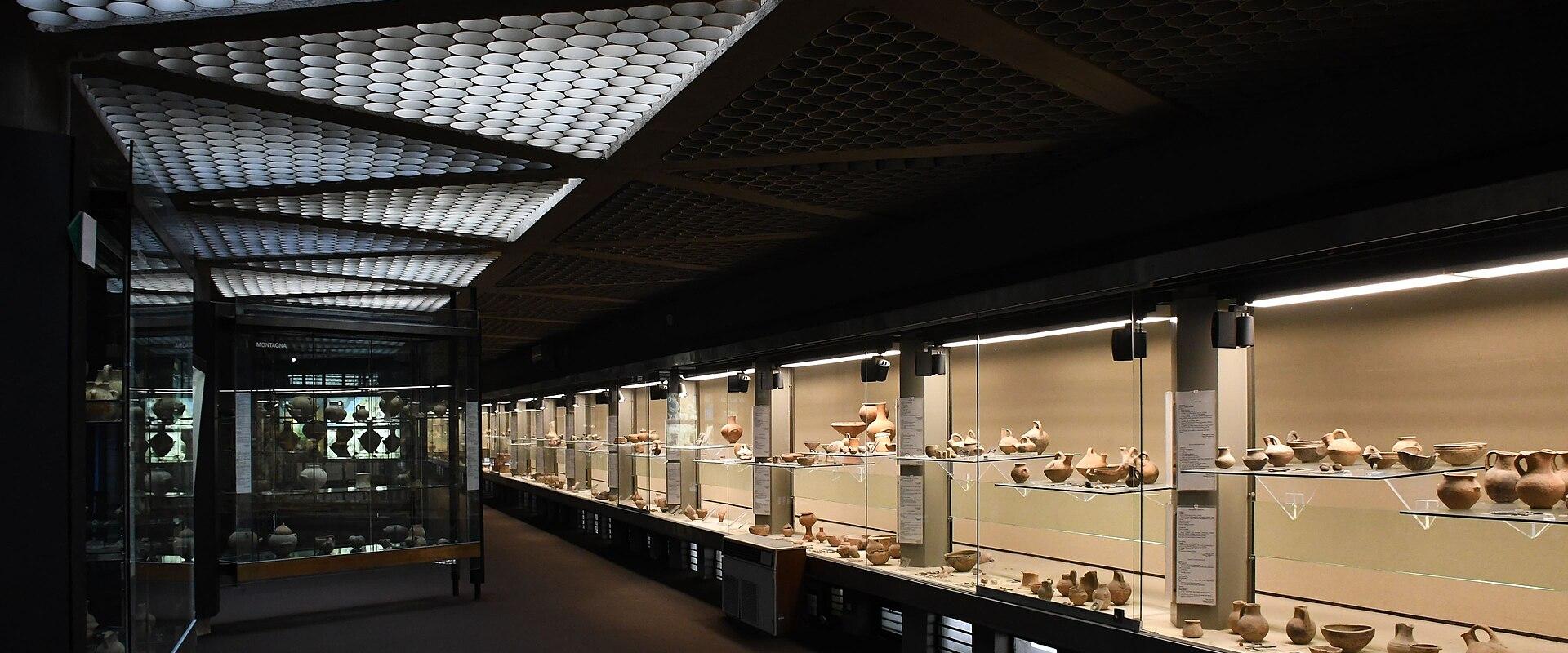
Museo Archeologico Regionale Paolo Orsi
Europe's principal archaeological museum in Siracusa
- Where
- Siracusa, Sicily
- Directions
- Directions
The Museo Archeologico Regionale Paolo Orsi in Syracuse is one of Europe’s principal archaeological museums, housing artifacts from prehistoric, Greek and Roman periods, and it is the best place to understand the long history of southeastern Sicily. It stands in the Villa Landolina park, in the Neapolis district on the mainland of Syracuse, a short walk from the Greek Theatre and the other ruins of the archaeological park, and it is named after Paolo Orsi, the great archaeologist from Trentino who directed it for almost forty years and who discovered and studied most of the sites of Sicilian prehistory and Greek colonization.
Its history dates back to 1780, evolving from the Museo del Seminario to the Museo Civico, and finally becoming the Museo Archeologico Nazionale di Siracusa in 1886. Under the direction of Paolo Orsi, from 1895 to 1934, the museum moved to its current location in the Villa Landolina garden, where the Sicilian archaeologist Saverio Landolina had once lived, and where the poet August von Platen is buried. A new space designed by Franco Minissi was inaugurated in 1988, a large modern building with galleries arranged around a central area, with subsequent expansions in 2006 and 2014 adding exhibition areas for the classical period and catacomb finds, respectively.
The collection follows the story chronologically. The prehistoric section shows the cultures of Sicily before the arrival of the Greeks, including the Sicel civilization, with the finds of Pantalica. The Greek sections cover the colonies of eastern Sicily, with Syracuse, founded by Corinthians in 734 BC, as the main city, and Megara Hyblaea, Gela and Akrai also represented. Among the great objects are early Greek vases and terracotta statuettes, a sculpture of a standing youth, a kouros, from Lentini, the archaic statue of a seated mother goddess nursing twins, from Megara Hyblaea, and the Landolina Venus, a Roman marble copy of a Greek original, in the manner of the Aphrodite. Architectural fragments from the temples of Syracuse recall the glory of the ancient city, which in the 5th century BC rivaled Athens in power and wealth.
Notably, the museum launched an interactive 360° virtual tour via Google in 2016, offering a digital experience for those unable to visit in person. The collection includes significant finds from the Greek colony of Syracuse, providing deep insights into the city’s ancient glory. The Roman and early Christian sections, with finds from the catacombs of the city, extend the story into late antiquity. It is advisable to check local tourism resources for current schedules and ticket prices.
Exploring the Museo Archeologico Regionale Paolo Orsi offers insight into Sicily’s Greek and Roman heritage. It is an essential stop to appreciate the region’s archaeological legacy. The combination of historical depth and extensive collections makes it a memorable destination. It complements visits to other landmarks in Syracuse, such as the Neapolis Archaeological Park and the Ear of Dionysius, providing a view of the city’s identity. Visitors are advised to allocate sufficient time to appreciate the extensive exhibits, which can take two to three hours, and to use the virtual tour resources if available.
Categories
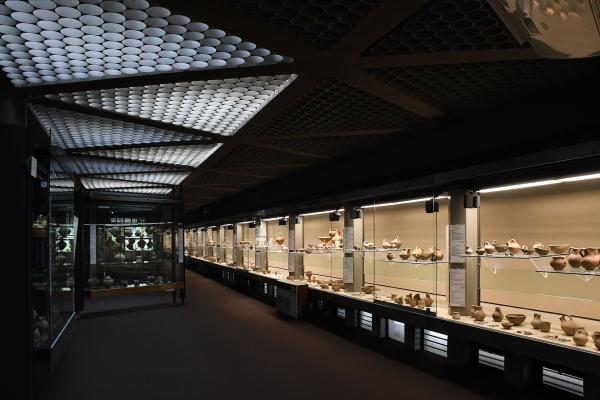
More photos coming soon
Nearby Attractions
Other places to visit in Siracusa
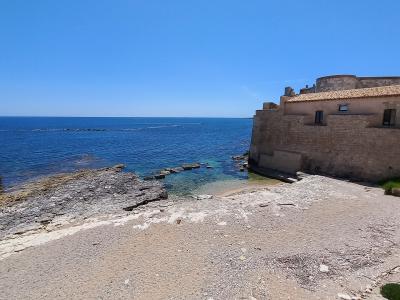
Castello Maniace
Byzantine fortress with 18m high walls
Architectural Monuments · Castles & Fortresses
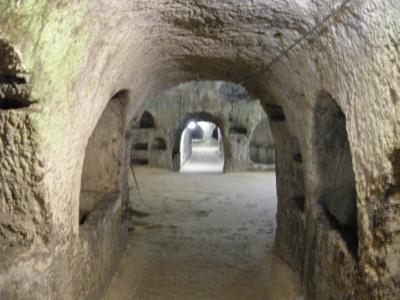
Catacombs of San Giovanni
Sicilian catacombs with monumental rotundas
Archaeological Museums · Historic Cemeteries
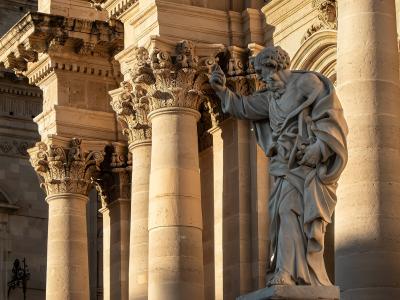
Duomo di Siracusa (Cathedral of Syracuse)
Baroque cathedral built on a Greek temple
Ancient Ruins · Architectural Monuments
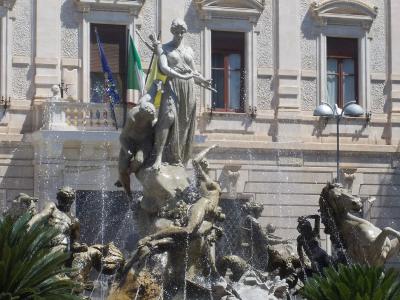
Fontana di Artemide
1907 fountain depicting Artemis and Alpheus myth
Historic Fountains · Public Statues
Questions people ask
Quick Facts
Best Time to Visit
Visit between April and June or September and October for mild temperatures and fewer crowds.