







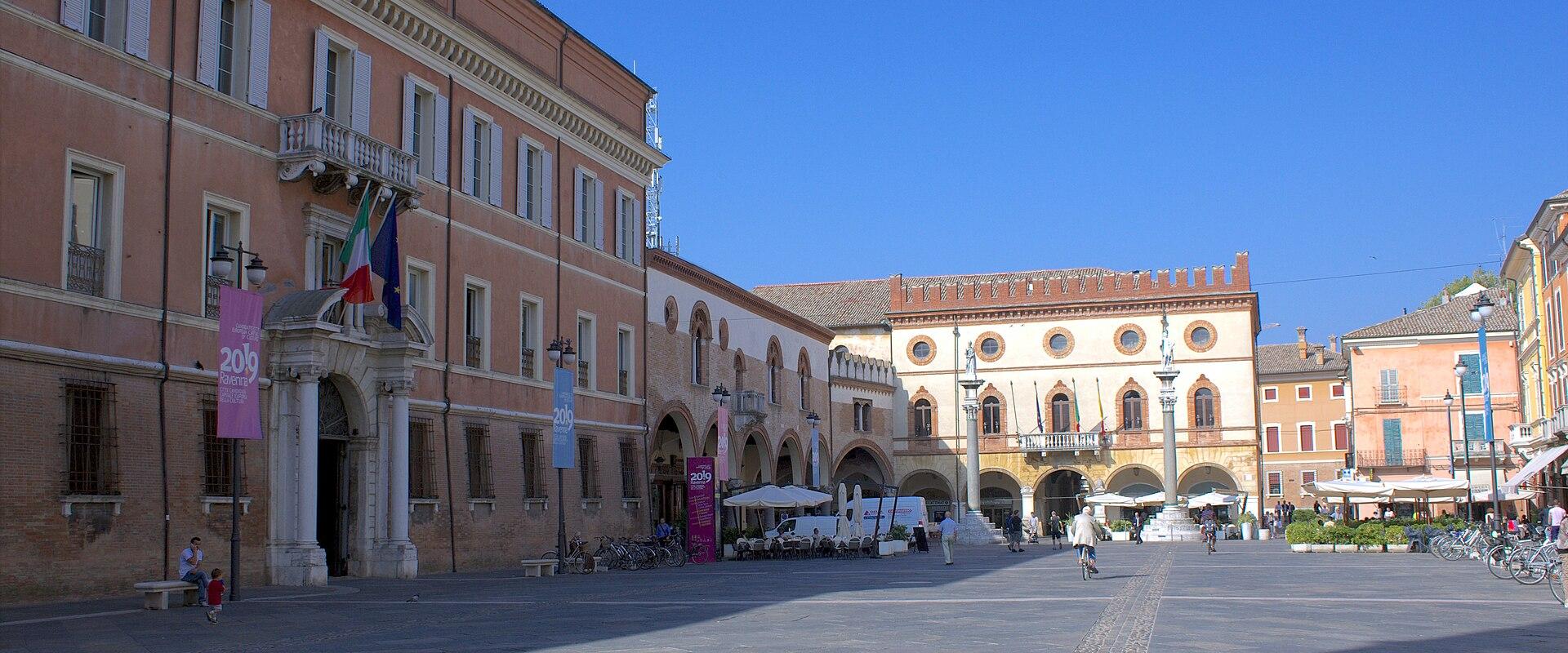
Ravenna’s history is marked by its strategic importance as a capital city. In 402 AD Emperor Honorius moved the Western Roman capital from Milan to Ravenna because of its defensible position, surrounded by marshes and reached only by sea or narrow land routes. This status continued under the Ostrogoths and later the Byzantine Exarchate, making Ravenna a centre of political and religious power. The fall of the Western Roman Empire in 476 did not reduce the city’s importance; instead it became a hub of Byzantine culture in Italy. This period saw the construction of magnificent churches and mausoleums, decorated with detailed mosaics that combined Roman, Christian, and Eastern influences. After the Byzantine period Ravenna came under the control of the Papal States, though the Venetians ruled the city for much of the 15th century, before it became part of the Kingdom of Italy in 1861. The city preserved its artistic heritage, and in 1996 eight early Christian monuments were inscribed as UNESCO World Heritage Sites.
The main attractions are its UNESCO-listed monuments, each showing masterpieces of mosaic art. The Mausoleum of Galla Placidia, built in the 5th century, is famous for its starry sky ceiling and vivid mosaics. The Basilica of San Vitale, a masterpiece of Byzantine architecture, holds the mosaics of Emperor Justinian and Empress Theodora, as well as the apse mosaic of Christ. The Neonian Baptistery, also called the Orthodox Baptistery and the oldest monument in Ravenna, has a mosaic of the Baptism of Christ in its dome. The Basilica of Sant'Apollinare Nuovo displays a long frieze of mosaics showing processions of martyrs and virgins. The Basilica of San Apollinare in Classe, near the coast, has a fine apse mosaic. The Mausoleum of Theodoric, with its huge single-stone roof, stands at the edge of town. The Tomb of Dante Alighieri, beside the Basilica of San Francesco, is a major place of pilgrimage for literature lovers. The Museo Nazionale di Ravenna, in the former Benedictine monastery beside San Vitale, shows Roman and Byzantine objects, and the Ravenna Mosaic Institute and the city’s workshops keep the art of mosaic alive, with courses and studios open to visitors. The historic centre is compact and pedestrian-friendly, with narrow streets and piazzas.
Activities in Ravenna include visiting the mosaic sites, exploring the historic centre, and enjoying the local cuisine. The city is known for traditional Emilia-Romagna dishes, including tagliatelle al ragù, tortellini, and cappelletti, along with wines such as Pignoletto and the white Albana of Romagna. Visitors can take guided tours to learn about the history and techniques of mosaic making. The nearby Lido di Ravenna offers a sandy beach and a lively promenade, and the pine woods and wetlands of the Po Delta area are good for walking and birdwatching. The city also hosts festivals, including the Ravenna Festival, which presents opera, music, and theatre in the summer. Shopping includes local ceramics, textiles, mosaics, and food products. For those interested in history, guided tours explore the Byzantine and Roman heritage of the city.
Getting to Ravenna is convenient by rail and road. The city is connected by train from Bologna, with services taking approximately 1 hour, sometimes with a change. By car, the A14 motorway provides easy access from north and south. The nearest airport is Bologna Guglielmo Marconi Airport, about 100 kilometres away, and Forlì and Rimini are also within reach.
The best time to visit Ravenna is from April to June or September to October, when the weather is mild and pleasant, ideal for outdoor attractions and historic sites. July and August are peak tourist months, with higher temperatures and larger crowds. Winter is cool but offers a quieter experience, with the city’s museums and indoor attractions providing cultural entertainment. Despite the seasonal variations, Ravenna’s rich artistic heritage and historical significance make it a rewarding destination year-round.
Best time to visit
Visit between April and June or September and October for mild temperatures and fewer crowds.
What to see in Ravenna
Our picks first.
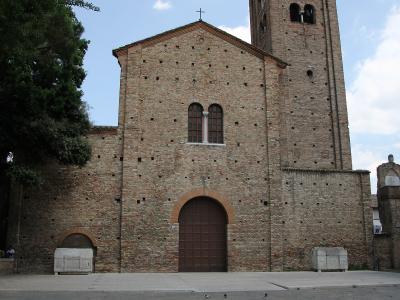
Basilica di San Francesco
5th-century basilica linked to Dante's burial
Architectural Monuments · Cultural Tours
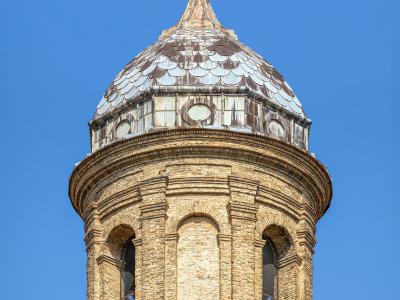
Basilica di San Vitale
UNESCO site with Byzantine mosaics
Architectural Monuments · Cultural Tours
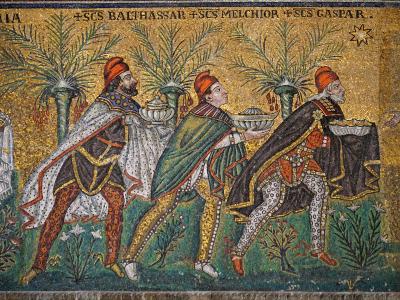
Basilica di Sant'Apollinare Nuovo
Theodoric’s basilica with 5th-century mosaics
History & Heritage · Museums & Culture
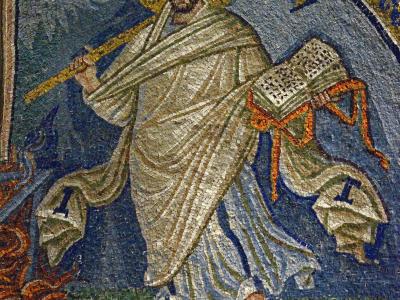
Mausoleum of Galla Placidia
5th-century UNESCO mausoleum with magical golden mosaics
Architectural Monuments · Historic Cemeteries
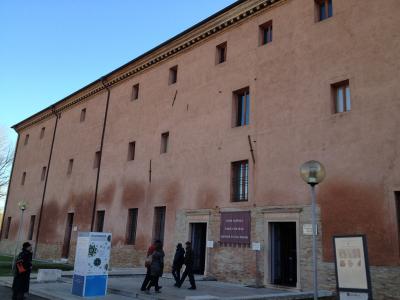
Museo Nazionale di Ravenna
19th-century museum in San Vitale monastery
Archaeological Museums · Art Museums
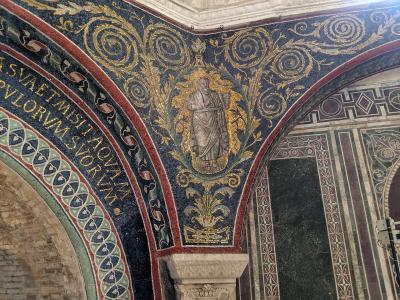
Neonian Baptistery
5th-century octagonal baptistery with renowned mosaics
Architectural Monuments · Cultural Tours
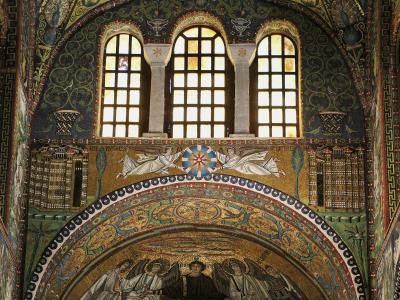
Ravenna Mosaic Institute
UNESCO-listed Byzantine mosaics in Ravenna
Art Museums · Cultural Tours
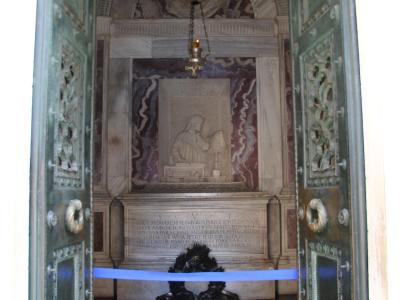
Tomb of Dante
14th-century tomb of the father of Italian literature
History & Heritage · Museums & Culture
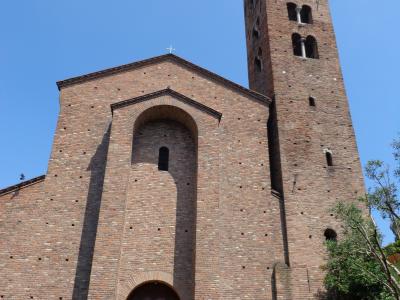
Basilica of San Giovanni Evangelista
Early Christian basilica near Ravenna's railway station
Free Historic Churches
Ravenna by interest
The same sights, grouped by what you came for.
Did you know?
Checked facts about Ravenna, each with its source.
-
History
Ravenna Was a Capital Three Times from the 5th Century
Ravenna was a capital city three times from the 5th century on: first of the Western Roman Empire, then of the Gothic kingdom of Theodoric between 493 and 526, and finally of Byzantine rule in Italy from 553 to 751. Monuments such as the Mausoleum of Galla Placidia date from these periods.
Source: Italia.it (ENIT official tourism portal) -
Record
Eight Ravenna Monuments Were UNESCO-Listed Together in 1996
Since December 1996 eight early Christian and Byzantine monuments of Ravenna have formed a single UNESCO World Heritage Site, listed for the artistry of their 5th- and 6th-century mosaics: the Basilica of San Vitale, the Mausoleum of Galla Placidia, the Arian and Neonian Baptisteries, Sant'Apollinare Nuovo, Sant'Apollinare in Classe, the Archiepiscopal Chapel and the Mausoleum of Theodoric.
Source: Ravenna Tourism (official)
Planning a visit to Ravenna
Good to know
- Currency
- EUR
- Language
- Italian
Quick Facts
Book your stay
Questions people ask
More places in Emilia-Romagna
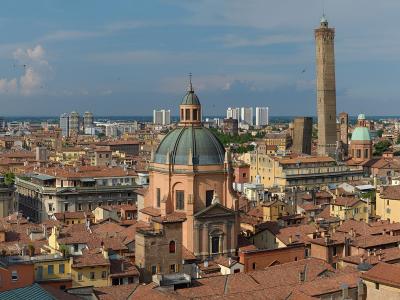
Emilia-Romagna
Bologna
Italy's culinary capital with medieval towers and the oldest university
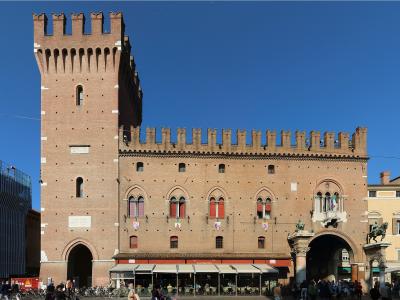
Emilia-Romagna
Ferrara
UNESCO Renaissance city with intact medieval walls and canals
Emilia-Romagna
Rimini
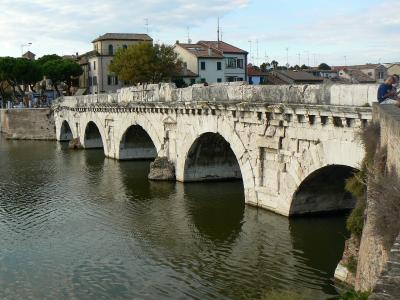
Adriatic beach resort in Emilia-Romagna with Roman ruins and nightlife
Emilia-Romagna
Comacchio
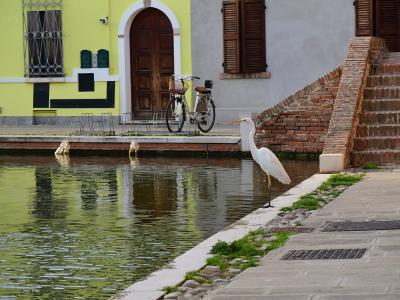
Lagoon town in Po Delta with canals, salt pans, and eel fishing traditions