
Museo Nazionale di Ravenna
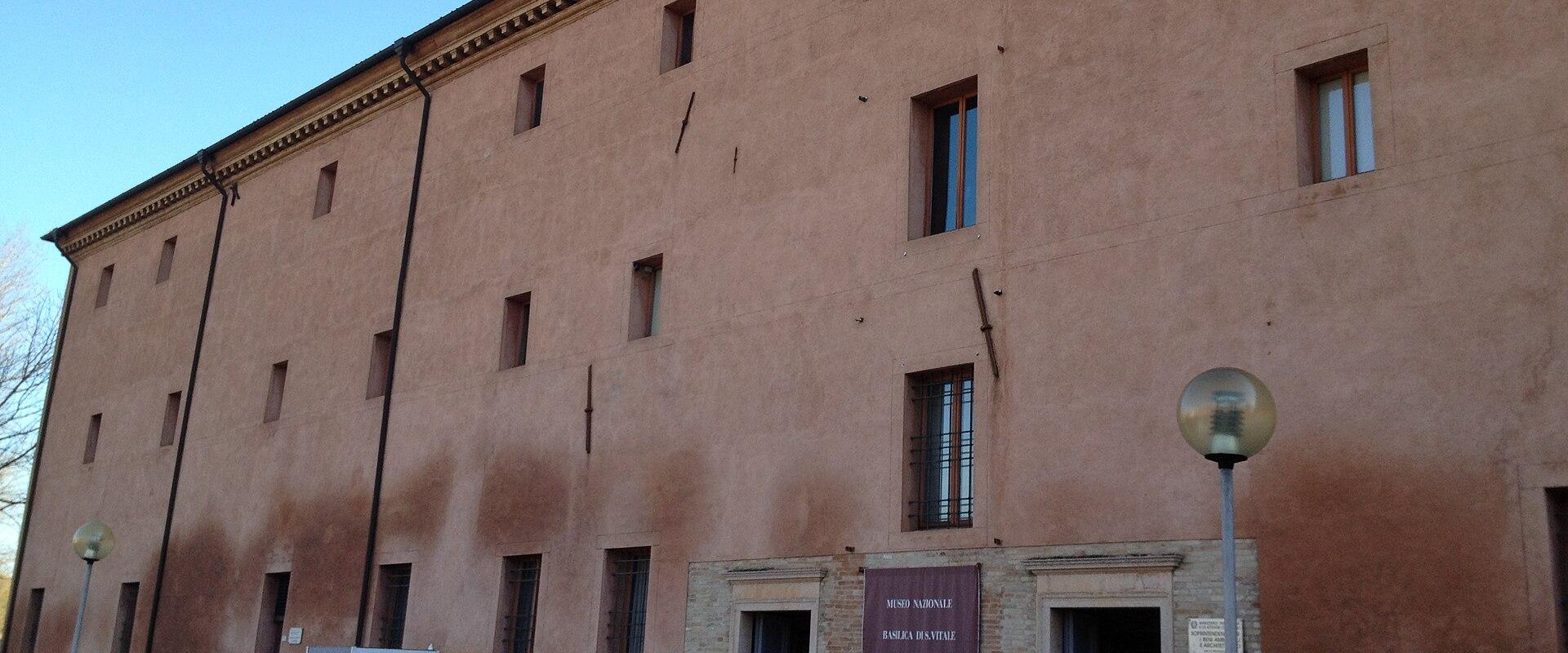
19th-century museum in San Vitale monastery
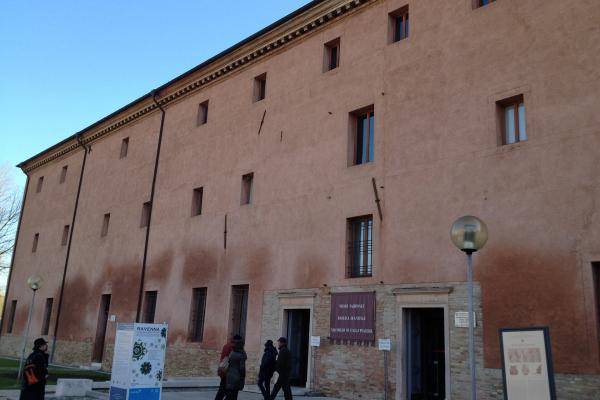
The Museo Nazionale di Ravenna is located at Via San Vitale, 17, housed within the former Benedictine monastery of San Vitale, adjacent to the 6th-century basilica. Open since 1885, the museum’s collection originated in the 18th century with artifacts gathered by Camaldolese monks. It now features significant archaeological finds, including sepulchral slabs, Byzantine sculptures, and applied arts linked to UNESCO monuments.
The exhibits are distributed across two Renaissance cloisters, offering a structured exploration of Ravenna’s artistic history. The First Cloister, dating from the 15th to 16th centuries, displays Roman lapidary relics from the 1st to 3rd centuries AD. Highlights include epigraphs, bas-reliefs, the "Apotheosis of Augustus," and ancient Greek herms found by fishermen near Ravenna. The Second Cloister features stone artifacts ranging from the 5th century AD to the Baroque age. Notable items include the Traditio Legis sarcophagus and "butterfly" column capitals from the time of Theodoric.
The museum is considered a key tourist attraction in Ravenna, offering insight into the city's historical artistic splendor through its suggestive atmosphere and diverse collections. It is advisable to check local tourism resources for current schedules. The experience of visiting the Museo Nazionale provides a deep understanding of the layers of history that define Ravenna, from its Roman roots to its Byzantine heritage. For travelers, the museum serves as an essential stop to complement visits to the city’s famous mosaic sites, providing context for the artistic achievements of the region.
Categories
More photos coming soon
Nearby Attractions
Other places to visit in Ravenna
Frequently Asked Questions
Quick Facts
Best Time to Visit
Visit between April and June or September and October for mild temperatures and fewer crowds.