







- Hours
- Peak Season (March–October): 9:00 AM to 7:00 PM; Low Season (November–February): 9:00 AM t...
- Where
- Ravenna, Emilia-Romagna
- Directions
- Directions
The Basilica di San Vitale in Ravenna is the most celebrated of the city’s early Christian monuments, and one of the most important buildings of paleochristian and Byzantine art in Italy. It is part of the UNESCO World Heritage listing for the early Christian monuments of Ravenna, together with the nearby Mausoleum of Galla Placidia, the Neonian Baptistery and the Basilica di Sant’Apollinare Nuovo. The church was begun in the year 526 under Bishop Ecclesius, while Ravenna was ruled by the Ostrogothic king Theodoric, and it was financed by a rich banker named Julianus Argentarius. It was consecrated in 547, by which time the city had been conquered by the armies of the Byzantine emperor Justinian, and the building thus belongs to the moment when the power of the Byzantine Empire returned to Italy.
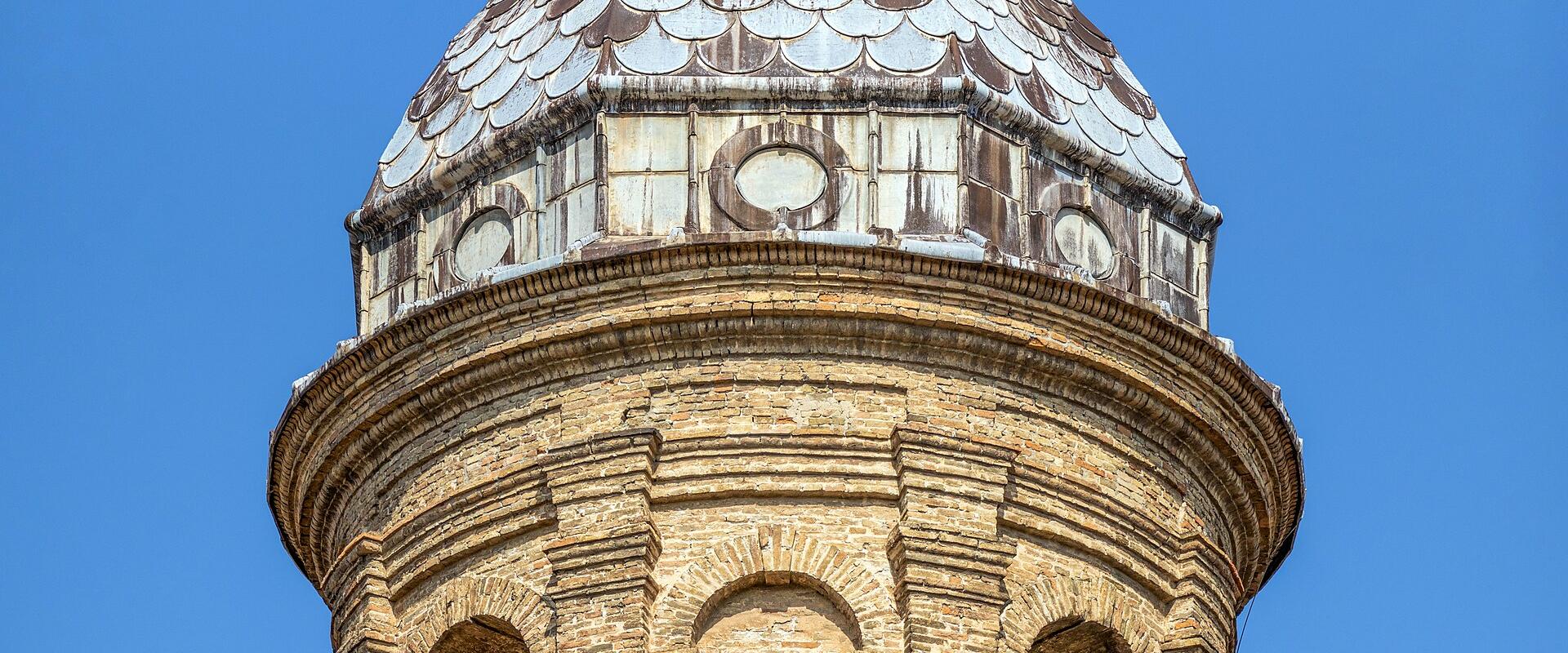
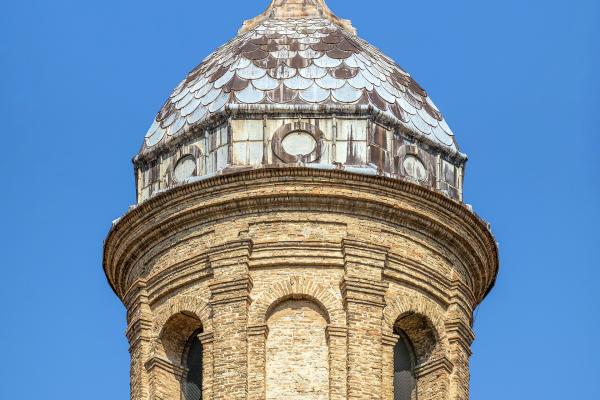
The architecture is unusual. Instead of the long rectangular plan of a typical basilica, San Vitale is built on an octagonal plan, with a central domed space surrounded by an arcaded ambulatory and a gallery above, and a deep apse to the east. It was modelled on the great churches of Constantinople, and the plain brick exterior hides a rich, light-filled interior in which every surface is decorated. Slender columns with carved capitals, marble panelling, and arches that open on to semicircular recesses give the space a sense of movement, and when sunlight enters through the high windows, it brings the gold of the mosaics to life.
The mosaics in the chancel and apse are the finest of their period. In the apse, a youthful Christ sits on a blue globe, holding the crown of martyrdom out to Saint Vitalis, while Bishop Ecclesius presents a model of the church. On the side walls, two famous panels show the emperor Justinian and the empress Theodora with their courts, in procession with bishops, soldiers and ladies, wearing jewelled robes and haloes. Neither ever visited Ravenna, so the panels are a statement of authority in a distant province, and they are among the most famous images of Byzantine art. Other mosaics show scenes from the Old Testament, such as Abraham and the three angels and the sacrifice of Isaac, as well as vine scrolls, birds and plants.
The basilica is a place of worship, and access may be restricted during religious services. Opening hours vary with the season, being longer in the summer, and tickets are usually sold as part of a combined pass for several Ravenna monuments, so check the arrangements locally. A visit takes about half an hour, but the mosaics repay a longer look, and early in the day there are fewer visitors. The Mausoleum of Galla Placidia is next door, and the Museo Nazionale di Ravenna occupies the monastery cloisters beside the church. The Basilica di San Francesco and the Tomb of Dante, and the Ravenna Mosaic Institute, are within a short walk. San Vitale suits anyone interested in art history and in the late Roman and Byzantine world.
More photos coming soon
Opening Hours
- Open
- Peak Season (March–October): 9:00 AM to 7:00 PM; Low Season (November–February): 9:00 AM to 5:00 PM
Hours and prices change, especially out of season. Check with the venue before you go.
Nearby Attractions
Other places to visit in Ravenna
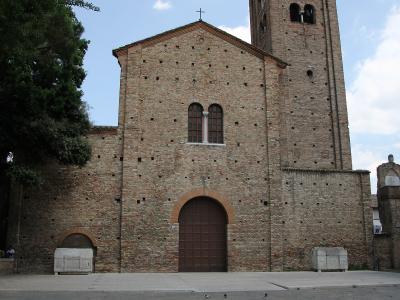
Basilica di San Francesco
5th-century basilica linked to Dante's burial
Architectural Monuments · Cultural Tours
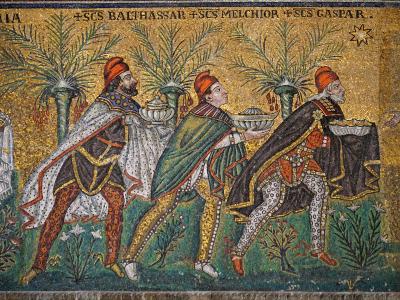
Basilica di Sant'Apollinare Nuovo
Theodoric’s basilica with 5th-century mosaics
History & Heritage · Museums & Culture
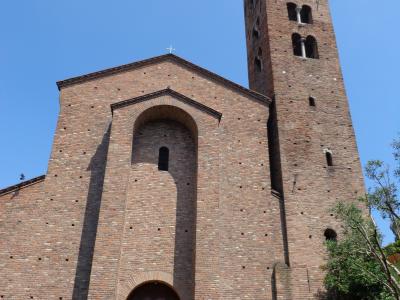
Basilica of San Giovanni Evangelista
Early Christian basilica near Ravenna's railway station
Free Historic Churches
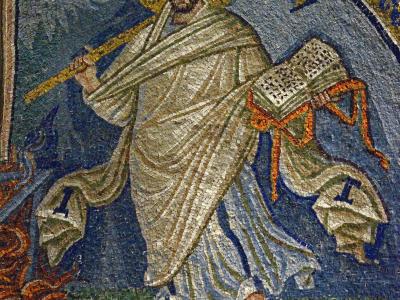
Mausoleum of Galla Placidia
5th-century UNESCO mausoleum with magical golden mosaics
Architectural Monuments · Historic Cemeteries
Questions people ask
Quick Facts
Best Time to Visit
Visit between April and June or September and October for mild temperatures and fewer crowds.