







- Where
- Ravenna, Emilia-Romagna
- Directions
- Directions
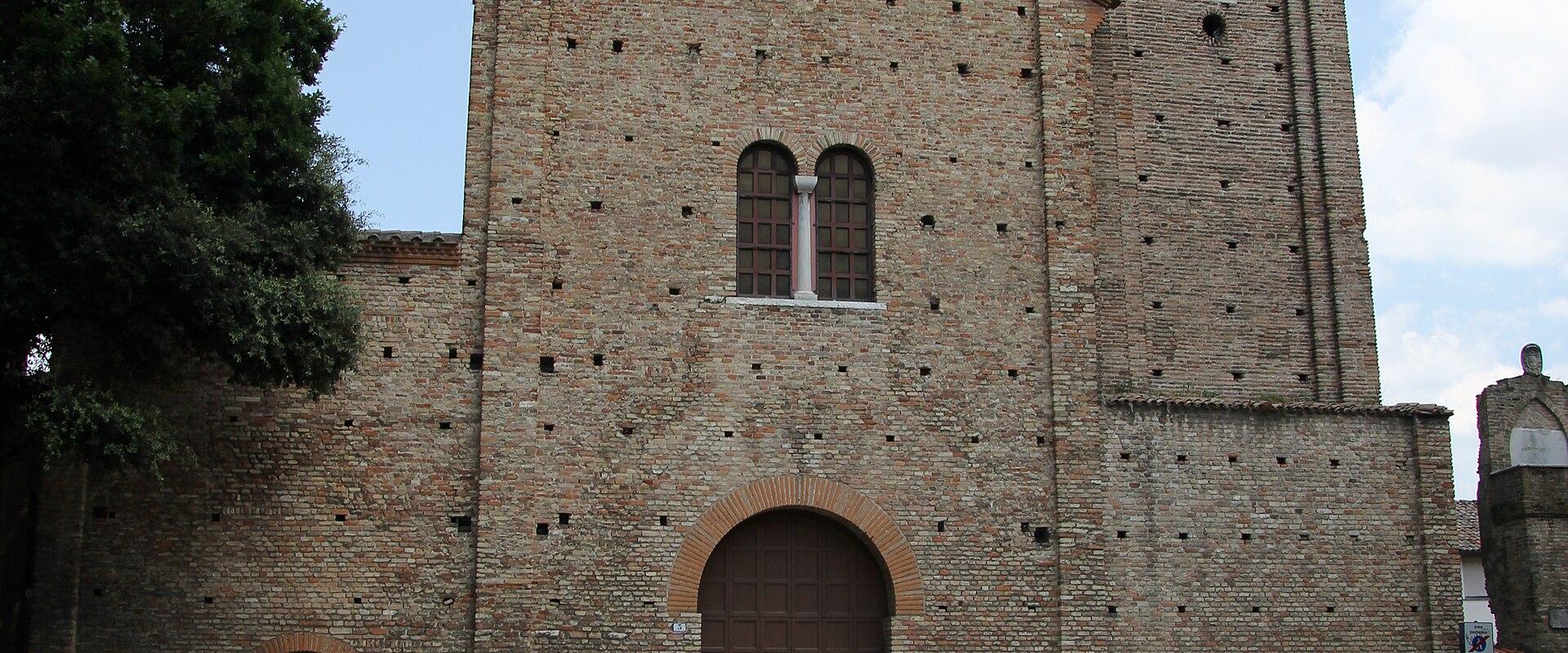
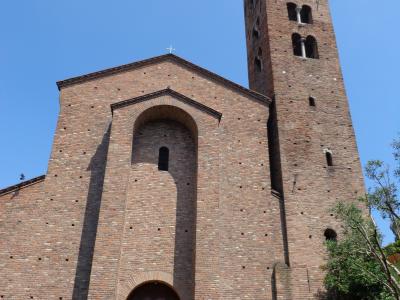
The Basilica di San Francesco in Ravenna is a church with very deep roots, founded in the middle of the 5th century when Ravenna was the capital of the Western Roman Empire. It was first consecrated to the Holy Apostles and later to Saint Peter, and it kept the name San Pier Maggiore until the Franciscans took it over in the 13th century and it became San Francesco. Despite what its name might suggest to visitors, the relics of Saint Francis are not here: he is buried in Assisi. The Ravenna church is a different story, bound up with the city’s early Christian past and its most famous exile.
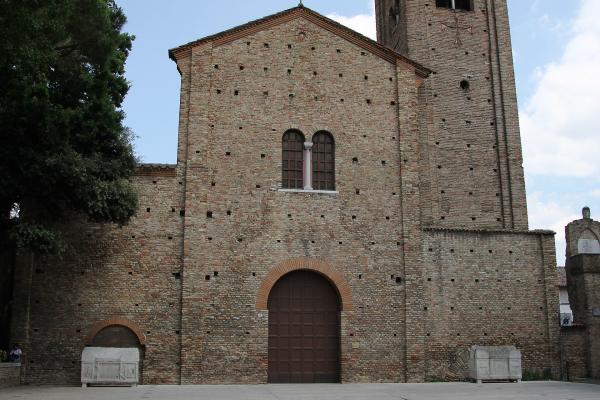
Little or nothing remains of the original 5th-century building, which was repeatedly restored over the centuries. The present church is a mostly 10th-century structure with later changes, and major restorations were carried out in the 18th century and again in the 20th century after wartime damage. Inside, it is a basilica with three aisles divided by columns, plain and spacious, and quite unlike the mosaic-covered interiors of the city’s famous churches.
The church’s most unusual feature is the crypt below the apse. It has a 10th-century structure, and because Ravenna lies on low ground with a high water table, the crypt is regularly flooded, so that visitors see its columns and fragments of mosaic floor standing in a shallow pool of clear water. Goldfish swim in the water, a gentle and slightly surreal touch. The crypt is viewed from the church by a small viewing platform or glazed opening, and its mosaic floor is protected beneath the water.
The basilica also has a link to the poet Dante Alighieri, who died in Ravenna in 1321 while in exile from Florence. His funeral was held in this church, and the Tomb of Dante, a small neoclassical shrine, stands a few steps from the basilica’s door, along with a quiet garden and a cloister. This connection brings many literary pilgrims to the area, and the church is part of the Dante zone of the city.
Located in the historic center, the basilica offers a quiet contrast to the more famous UNESCO World Heritage sites in Ravenna, such as the Basilica of San Vitale and the Mausoleum of Galla Placidia, with their glittering Byzantine mosaics. Check the official Ravenna Turismo website or local tourism resources for current schedules and any restrictions during religious services, since the church is in active use. It adds to Ravenna’s continuous layering of history. It suits visitors who enjoy quieter churches, the story behind Dante’s burial and the unusual flooded crypt, and it fits easily into a walking route through the old town.
More photos coming soon
Nearby Attractions
Other places to visit in Ravenna
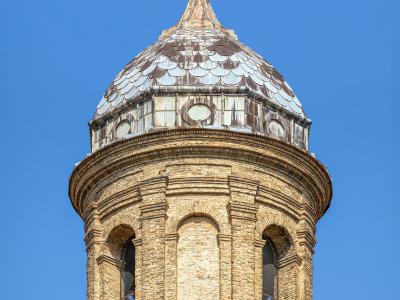
Basilica di San Vitale
UNESCO site with Byzantine mosaics
Architectural Monuments · Cultural Tours
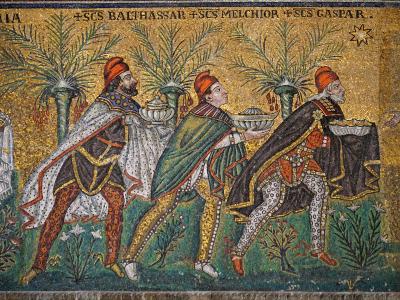
Basilica di Sant'Apollinare Nuovo
Theodoric’s basilica with 5th-century mosaics
History & Heritage · Museums & Culture
Basilica of San Giovanni Evangelista
Early Christian basilica near Ravenna's railway station
Free Historic Churches
Mausoleum of Galla Placidia
5th-century UNESCO mausoleum with magical golden mosaics
Architectural Monuments · Historic Cemeteries
Questions people ask
Quick Facts
Best Time to Visit
Visit between April and June or September and October for mild temperatures and fewer crowds.