







- Hours
- Refer to 'Visiting UNESCO-Listed Churches and Mosaics in Ravenna' for up.
- Where
- Ravenna, Emilia-Romagna
- Directions
- Directions
The Neonian Baptistery, also known as the Orthodox Baptistery, is a UNESCO-listed World Heritage monument in Ravenna, in Italy, and it stands next to the Cathedral in Piazza Duomo. It is an octagonal building of plain brick, partly sunk below the modern street level, and it hides one of the finest mosaic interiors of the early Christian world. It is part of the group of Ravenna’s early Christian monuments that UNESCO listed in 1996, and it is considered the best preserved early Christian baptistery of the fourth and fifth centuries, retaining its original architectural and ornamental appearance despite the subsidence of the ground.
The baptistery was begun in the early fifth century, at the time of Bishop Ursus, who built the cathedral beside it, and it underwent significant restoration under Bishop Neon, who ruled from about 450 to 475 AD. Neon added the dome and the current inner decorations, and the building is named for him. It was called the Orthodox Baptistery to distinguish it from the nearby Arian Baptistery, built by the Ostrogoths who followed the Arian form of Christianity, which Ravenna also preserves. Subsidence has lowered the ground level by several metres since the fifth century, so the original doors are now underground, and the visitor enters at a higher level.
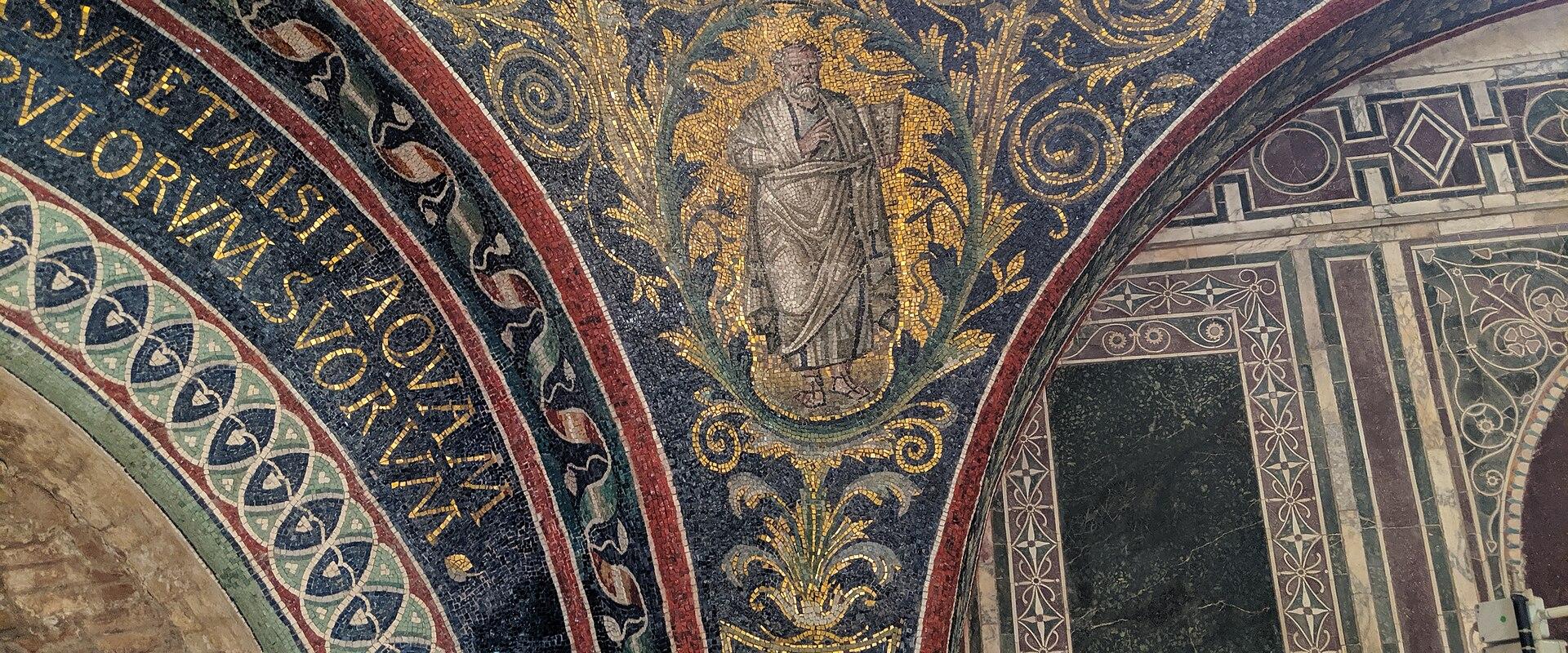
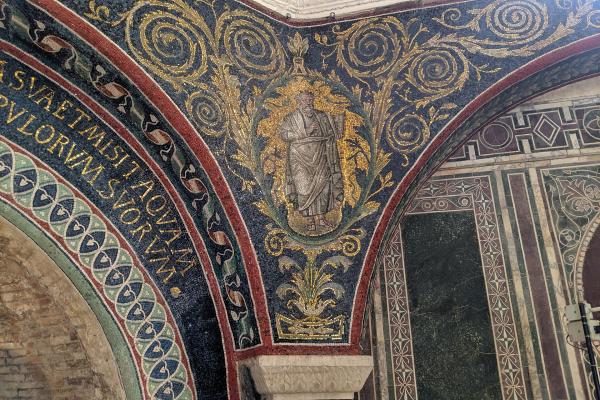
The building has an octagonal plan with bare brick walls and round-arched windows. The interior is embellished with three layers of decoration: marbles at the lower level, stuccoes in the middle, and mosaics at the top, which have a Greek-Roman influence. The mosaics are renowned for their brilliance. In the centre of the dome is the Baptism of Christ in the river Jordan, in which John the Baptist pours water on Christ's head as the river god, shown as an old man with crab-claw horns, watches. Around this scene runs a ring of the twelve apostles, in white robes against a gold and blue ground, walking toward the centre and carrying crowns, with a background of acanthus and ornament in gold. The colours seem to glow, and the effect is of a heavenly space above the font.
The psychologist Carl Gustav Jung, who visited Ravenna in the early twentieth century, wrote about the mosaics in his memoirs, which has added to the reputation of the monument. Access to the Neonian Baptistery is limited to a short stay to preserve the fragile mosaics, and it is usually included in a combined ticket with other monuments of Ravenna, among them the Mausoleum of Galla Placidia, the Basilica di San Vitale and the archiepiscopal museum, so check current arrangements with the local tourism office.
The visit is short, about ten minutes, and the best preparation is to look carefully at the dome from the centre. The baptistery is a few minutes' walk from San Vitale and Galla Placidia, and Ravenna’s flat centre is easy to explore on foot or by bicycle. The best time to visit is in the morning, when the light is bright and the lines are shorter.
More photos coming soon
Opening Hours
- Open
- Refer to 'Visiting UNESCO-Listed Churches and Mosaics in Ravenna' for up.
Hours and prices change, especially out of season. Check with the venue before you go.
Nearby Attractions
Other places to visit in Ravenna
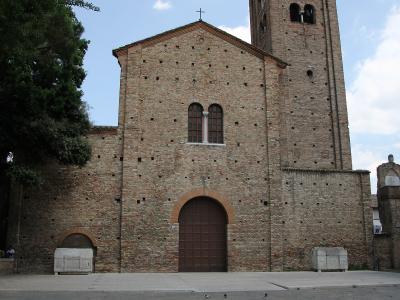
Basilica di San Francesco
5th-century basilica linked to Dante's burial
Architectural Monuments · Cultural Tours
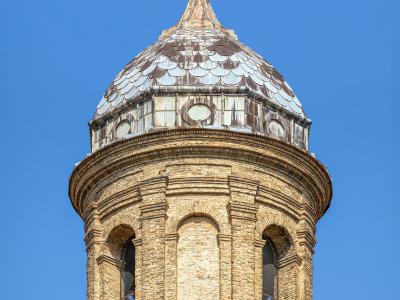
Basilica di San Vitale
UNESCO site with Byzantine mosaics
Architectural Monuments · Cultural Tours
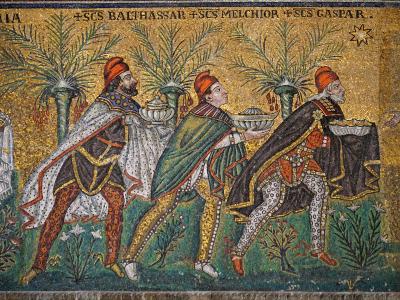
Basilica di Sant'Apollinare Nuovo
Theodoric’s basilica with 5th-century mosaics
History & Heritage · Museums & Culture
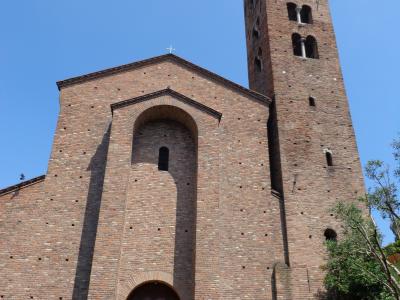
Basilica of San Giovanni Evangelista
Early Christian basilica near Ravenna's railway station
Free Historic Churches
Questions people ask
Quick Facts
Best Time to Visit
Visit between April and June or September and October for mild temperatures and fewer crowds.