







Rimini’s history goes back to 268 BC, when it was founded as a Roman colony named Ariminum. It became a crucial strategic point thanks to its position at the meeting of the Via Flaminia and the Via Aemilia, two major Roman roads. The city flourished as a commercial and military hub, leaving behind significant architectural remains. During the Middle Ages Rimini was ruled by various families, including the Malatesta, who left their mark on the city’s fortifications and churches, most famously in the Tempio Malatestiano, remodelled by Leon Battista Alberti. In the 19th and 20th centuries Rimini changed from a fishing village into a major international tourist destination, pioneering the concept of organized beach holidays in Italy. Today the city preserves its Roman heritage alongside its modern infrastructure, offering a blend of antiquity and contemporary leisure.
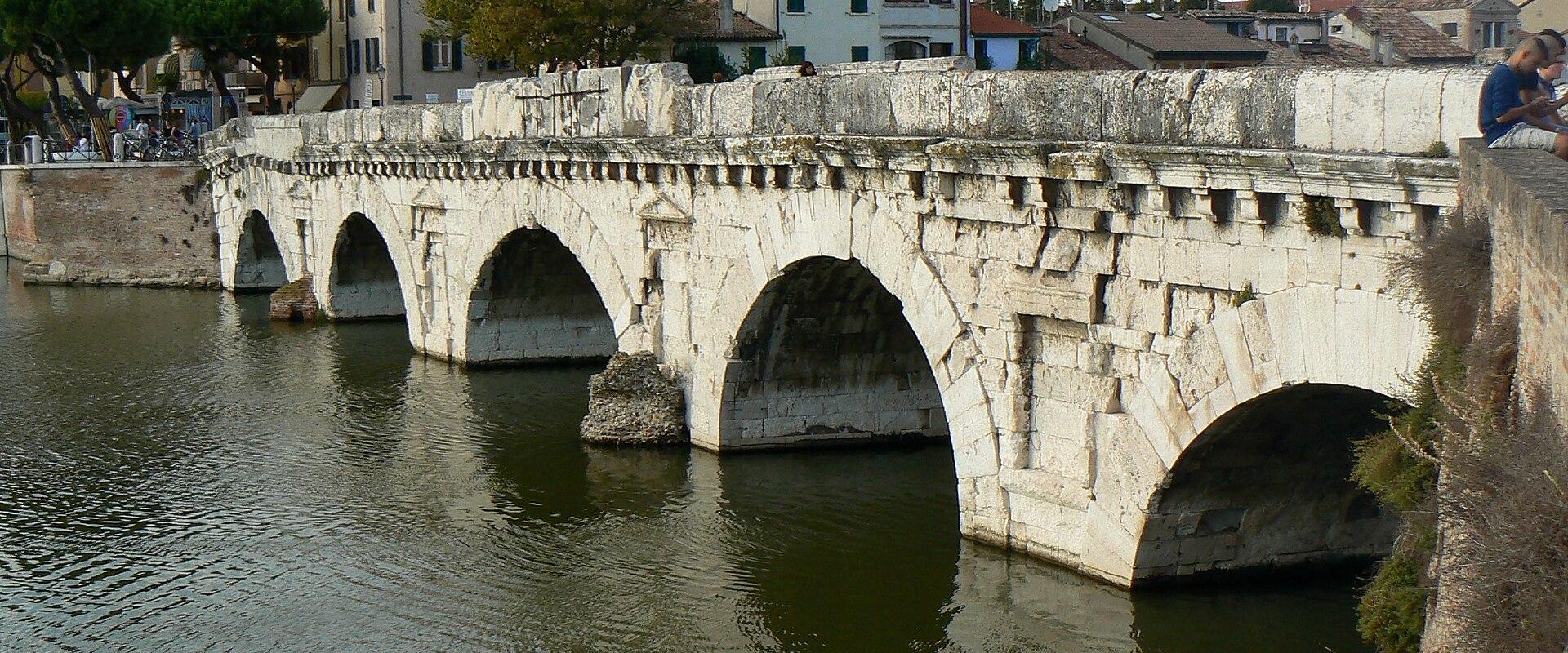
The main attractions are centred on the Roman monuments and the coastal amenities. The Arch of Augustus, built in 27 BC, is among the oldest surviving Roman arches and a symbol of the city. The Tiberius Bridge, the Bridge of Tiberius (Ponte di Tiberio), is a well-preserved Roman bridge that still carries traffic today. The Cassero and Rocca di Rimini, known as Castel Sismondo, is a 15th-century fortress built for the Malatesta family. The historic centre features the Piazza Cavour, the Duomo, and the Church of San Gaudenzio. The colourful fishermen's quarter of Borgo San Giuliano has murals and small trattorias.
The city’s beach is lined with lidos, restaurants, and entertainment venues, and the Lungomare is a long promenade. The Marecchia River promenade, the Fiume Marecchia Park, is a popular place for evening walks. Rimini also hosts the Rimini Fiera, one of Italy’s largest exhibition centres, which holds trade fairs and conferences. Giovanni Pascoli's Garden, the Villa Torlonia poetry park, lies nearby in the neighbouring town where the poet lived.
Activities in Rimini include swimming, sunbathing, and water sports such as windsurfing and sailing. The city is known for its lively nightlife, with bars, clubs, and live music venues. Visitors can explore the historical sites, visit museums, and enjoy the local cuisine, which includes seafood and traditional Emilia-Romagna dishes such as tagliatelle and piadina, the thin flatbread of the region. The surrounding area gives access to the San Marino Republic, a short drive away. Rimini also hosts festivals, including the San Valentino Music Festival and the Rimini Comedy Festival. Shopping includes local ceramics, textiles, and souvenirs. For those interested in history, guided tours explore the Roman and medieval heritage of the city.
Getting to Rimini is convenient by rail and road. The city is well connected by train from Bologna, Milan, and Rome, with frequent services to Rimini station. By car, the A14 motorway provides easy access from north and south. The nearest airport is Rimini Airport, about 5 kilometres from the city centre, with seasonal flights to various European destinations.
The best time to visit Rimini is from June to September for beach activities and nightlife, or April to May and September to October for milder weather and fewer crowds. July and August are peak tourist months, with higher temperatures and larger crowds. Winter is cool but offers a quieter experience, with the city’s museums and indoor attractions providing cultural entertainment. Despite the seasonal variations, Rimini’s rich history and vibrant atmosphere make it a rewarding destination year-round.
Best time to visit
Visit between June and September for beach activities or April to May for milder weather.
What to see in Rimini
Our picks first.
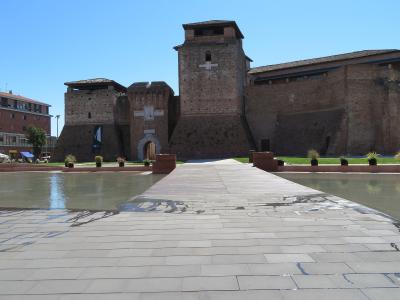
Cassero and Rocca di Rimini
15th-century Malatesta fortress housing the Fellini Museum
Architectural Monuments · Castles & Fortresses
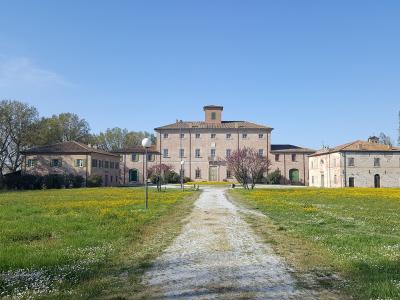
Giovanni Pascoli's Garden
Historic villa and poetry park dedicated to Giovanni Pascoli
History & Heritage · Museums & Culture
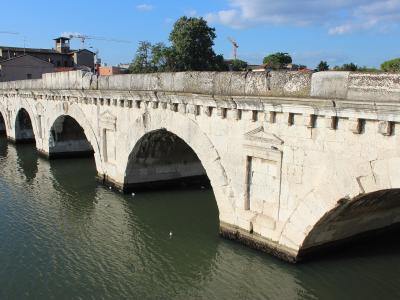
Bridge of Tiberius
Oldest surviving Roman bridge with Greek orders
Free Ancient Ruins · Architectural Monuments
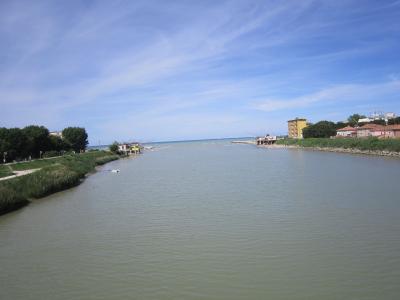
Fiume Marecchia Park
Rimini park along the Marecchia River
Cycling Routes · Hiking Trails
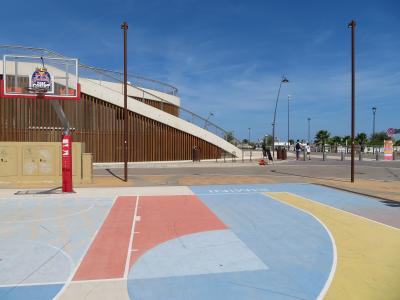
Lungomare
Historic Roman arch and bridge in Rimini's historic centre
Ancient Ruins · City Promenades
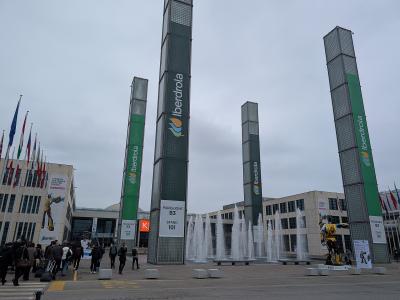
Rimini Fiera
129,000 m² exhibition space in Rimini
Museums & Culture · Urban Exploration
Rimini by interest
The same sights, grouped by what you came for.
Did you know?
Checked facts about Rimini, each with its source.
-
History
Rimini's Roman Tiberius Bridge Still Carries Traffic
Rimini's Tiberius Bridge was begun under Emperor Augustus and completed under Tiberius, probably built between AD 14 and 21. Two thousand years on it is still open to pedestrians and cars, though not to heavy goods vehicles.
Source: History Hit
Planning a visit to Rimini
Good to know
- Currency
- EUR
- Language
- Italian
Quick Facts
Book your stay
Questions people ask
More places in Emilia-Romagna
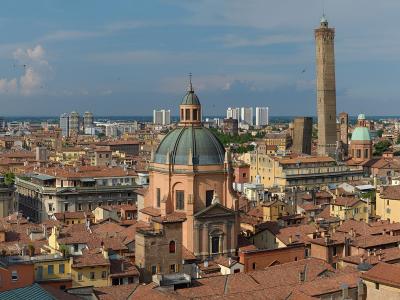
Emilia-Romagna
Bologna
Italy's culinary capital with medieval towers and the oldest university
Emilia-Romagna
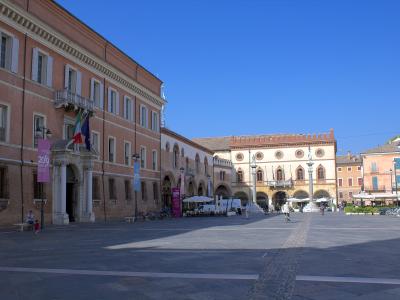
Ravenna
UNESCO city in Emilia-Romagna famous for Byzantine mosaics and Dante
Emilia-Romagna
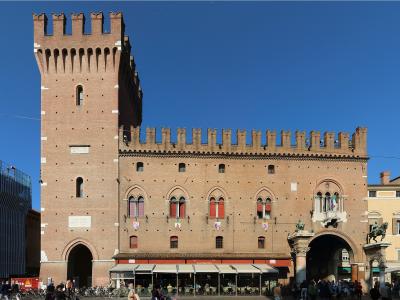
Ferrara
UNESCO Renaissance city with intact medieval walls and canals
Emilia-Romagna
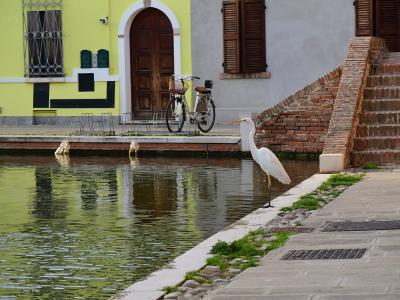
Comacchio
Lagoon town in Po Delta with canals, salt pans, and eel fishing traditions