







Mausoleum of Galla Placidia
5th-century UNESCO mausoleum with magical golden mosaics
- Where
- Ravenna, Emilia-Romagna
- Directions
- Directions
The Mausoleum of Galla Placidia is a tiny brick building behind the Basilica di San Vitale in Ravenna, and it holds some of the oldest and best preserved Christian mosaics in the world. It stands on Via San Vitale, and from the outside it is plain: a compact structure in a Latin cross plan with bare brick walls and a low square tower that hides the dome. Nothing prepares you for the interior. Visitors who step through the narrow door find themselves in a dim chamber glowing with blue, gold and green.
The building dates from the first half of the fifth century, and it is traditionally linked with Empress Galla Placidia, the daughter of the Roman emperor Theodosius, who ruled the Western Empire as regent for her son and lived in Ravenna. She seems to have meant it as a burial place, but she died in Rome in 450, and it is generally thought that she was never buried here. The floor level has sunk by more than a metre over the centuries, because Ravenna's ground is soft and the city slowly subsides, so the building once stood higher than it does today.
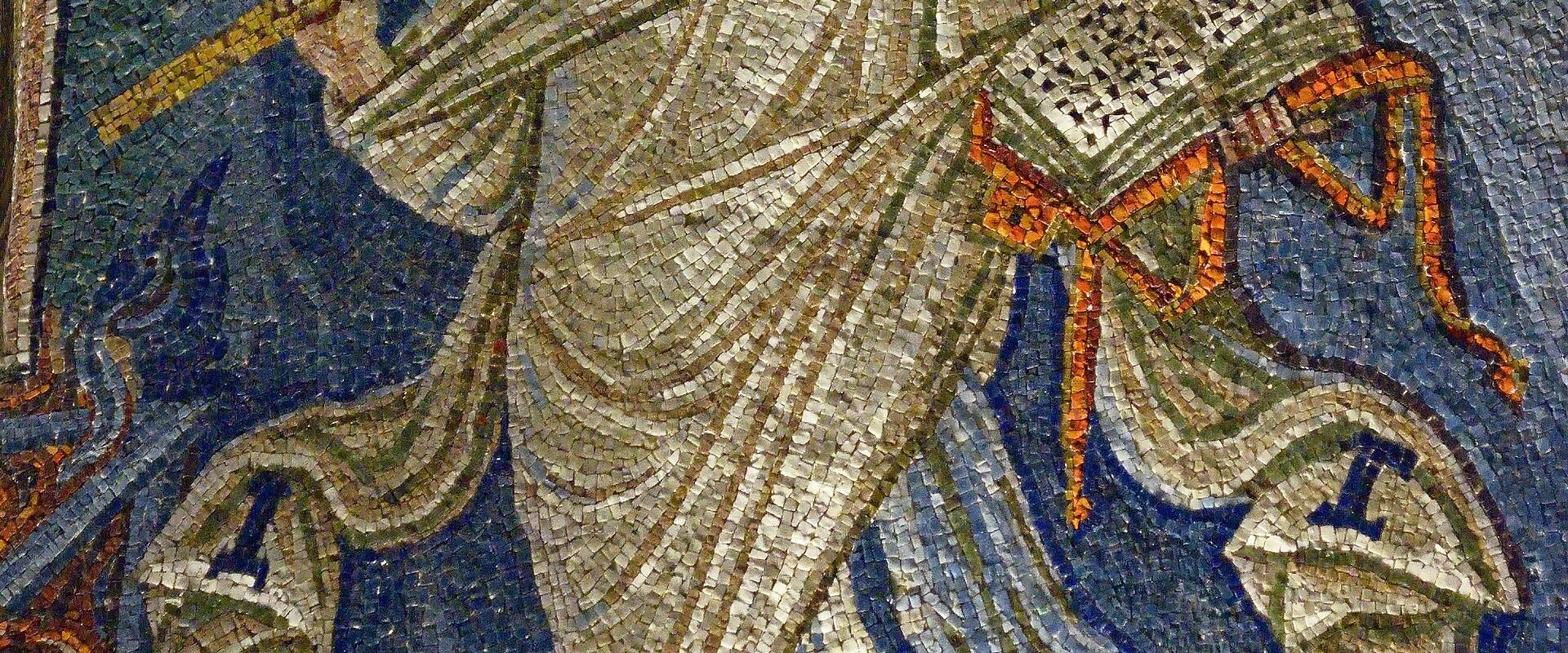
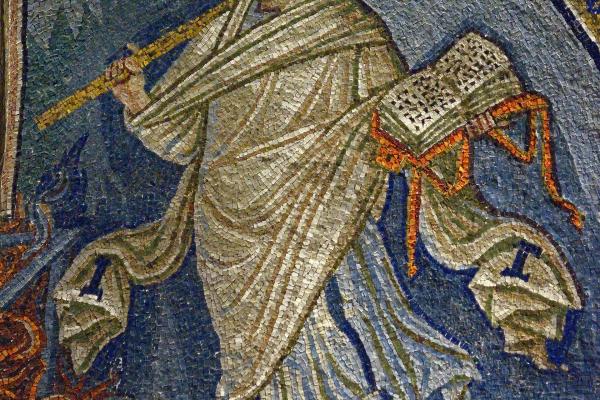
The mosaics cover the vaults, lunettes and walls. In the dome, a night sky of deep blue is scattered with hundreds of golden stars around a gold cross, and the four evangelist symbols appear in the corners. Over the entrance is the Good Shepherd, shown as a young, beardless figure in a golden robe seated among sheep in a green landscape, a very early and charming image of Christ. Other lunettes show deer drinking at a fountain, recalling a psalm, and Saint Lawrence walking toward a gridiron, with an open cabinet of the gospels beside him. The wall surfaces below are clad in marble. Thin slabs of alabaster in the windows let in a soft, yellow light, which is why the room seems to glow.
The mausoleum is part of the Early Christian Monuments of Ravenna, which UNESCO named a World Heritage Site in 1996, together with several other buildings in the city. The Neonian Baptistery, the Basilica di San Vitale and Sant'Apollinare Nuovo are all within a short walk. Together they show Ravenna’s importance: Ravenna, as capital of the Western Empire and later of the Ostrogoths and Byzantines, became one of the great centres of mosaic art.
Located in a small garden courtyard, the building is usually visited with a timed ticket, often combined with other monuments, and only a few people are allowed in at a time. Visits are short, around ten or fifteen minutes, so it is worth looking at the dome first and then the lunettes. Check current ticket arrangements before you go, and try to visit on a quiet day outside the peak season.
More photos coming soon
Nearby Attractions
Other places to visit in Ravenna
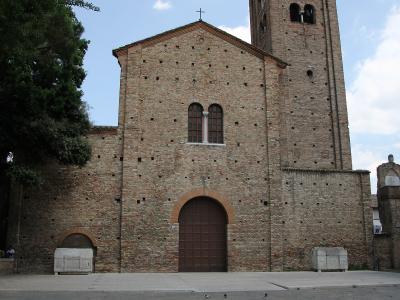
Basilica di San Francesco
5th-century basilica linked to Dante's burial
Architectural Monuments · Cultural Tours
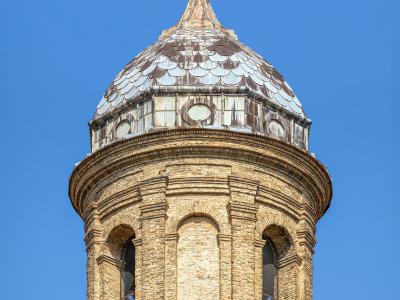
Basilica di San Vitale
UNESCO site with Byzantine mosaics
Architectural Monuments · Cultural Tours
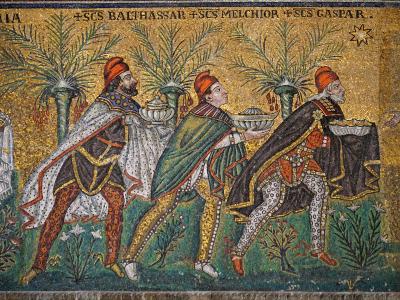
Basilica di Sant'Apollinare Nuovo
Theodoric’s basilica with 5th-century mosaics
History & Heritage · Museums & Culture
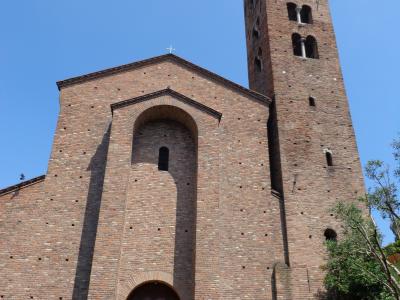
Basilica of San Giovanni Evangelista
Early Christian basilica near Ravenna's railway station
Free Historic Churches
Questions people ask
Quick Facts
Best Time to Visit
Visit between April and June or September and October for mild temperatures and fewer crowds.