







- Where
- Ravenna, Emilia-Romagna
- Directions
- Directions
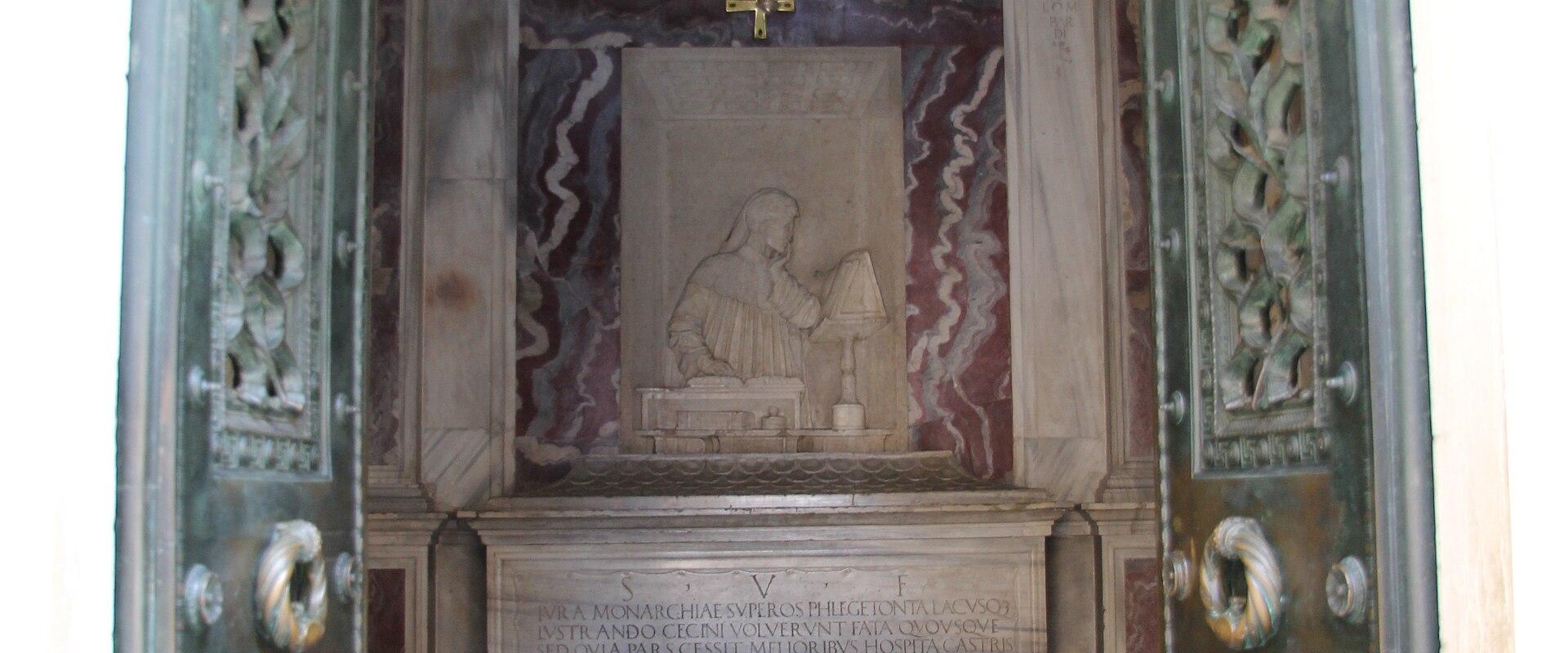
The Tomb of Dante is a small neoclassical shrine in the old centre of Ravenna, beside the Basilica di San Francesco, where the poet Dante Alighieri lies buried. Dante, the author of the Divine Comedy and the father of the Italian language, died in Ravenna in September 1321. He had been exiled from his native Florence in 1302 after political struggles, and he spent his final years wandering from one court to another. In Ravenna he found a patron in Guido Novello da Polenta, the lord of the city, and he completed the Paradiso in the last years of his life, in this quiet city by the Adriatic.
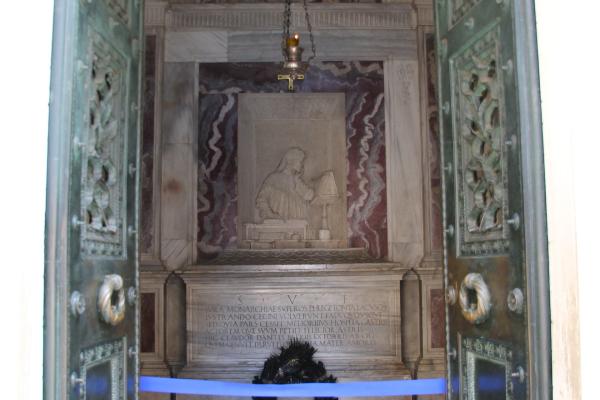
After his death he was buried in the church of San Francesco, in a simple sarcophagus. The present tomb is not medieval, despite the tagline that dates it to the fourteenth century. The small domed building that you see today was designed in 1780 by the architect Camillo Morigia, in a restrained neoclassical style, to replace an earlier monument. The sarcophagus inside carries a Latin epitaph, and a lamp burns before it, fuelled by oil that is given each year by the city of Florence, a gesture of reconciliation.
The site is the centre of a centuries-long contention between Ravenna and Florence over Dante's remains. Florence, which had condemned him, later regretted its action and wanted the body back, and it built a monument in Santa Croce, but the Ravennate people refused to give him up. In the sixteenth century, when the Medici pope Leo X authorised the transfer, the Franciscan friars are said to have opened the tomb from behind and removed the bones, hiding them in the monastery. They were found again by chance in 1865, during building work, and were returned to the tomb. The Florentine tomb in Santa Croce remains empty, a cenotaph. The story underlines the deep significance of the site to both cities, and to the nation.
The tomb is a humble yet powerful tribute to the poet, and it is a place of quiet pilgrimage for anyone who has read his work. The nearby Dante Museum, in the cloisters of the Franciscan complex, and the Dante Zone, the lanes around the tomb, give more context.
Check the official Ravenna tourism website or local sources for current schedules and ticket information, especially if you visit as part of a combined ticket for monuments. The tomb itself is free to view from outside. Ravenna’s mosaics, part of a UNESCO World Heritage listing, including those in the Basilica di San Vitale and the Mausoleum of Galla Placidia, are within a short walk, so it fits easily into a day. Allow about twenty minutes.
Categories
More photos coming soon
Nearby Attractions
Other places to visit in Ravenna
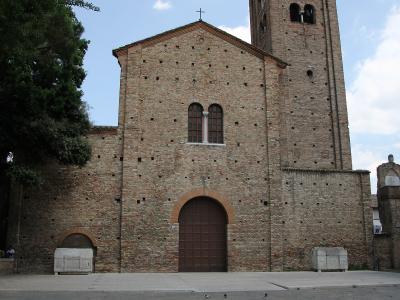
Basilica di San Francesco
5th-century basilica linked to Dante's burial
Architectural Monuments · Cultural Tours
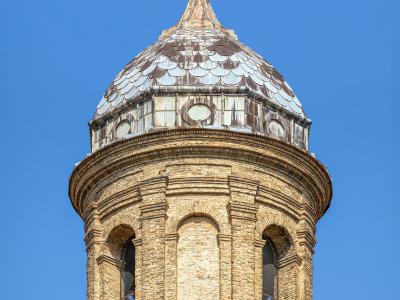
Basilica di San Vitale
UNESCO site with Byzantine mosaics
Architectural Monuments · Cultural Tours
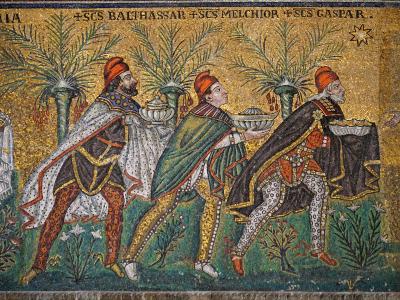
Basilica di Sant'Apollinare Nuovo
Theodoric’s basilica with 5th-century mosaics
History & Heritage · Museums & Culture
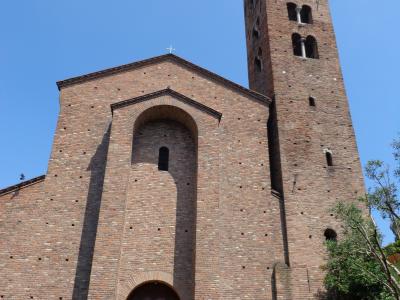
Basilica of San Giovanni Evangelista
Early Christian basilica near Ravenna's railway station
Free Historic Churches
Questions people ask
Quick Facts
Best Time to Visit
Visit between April and June or September and October for mild temperatures and fewer crowds.