







- Where
- Ravenna, Emilia-Romagna
- Directions
- Directions
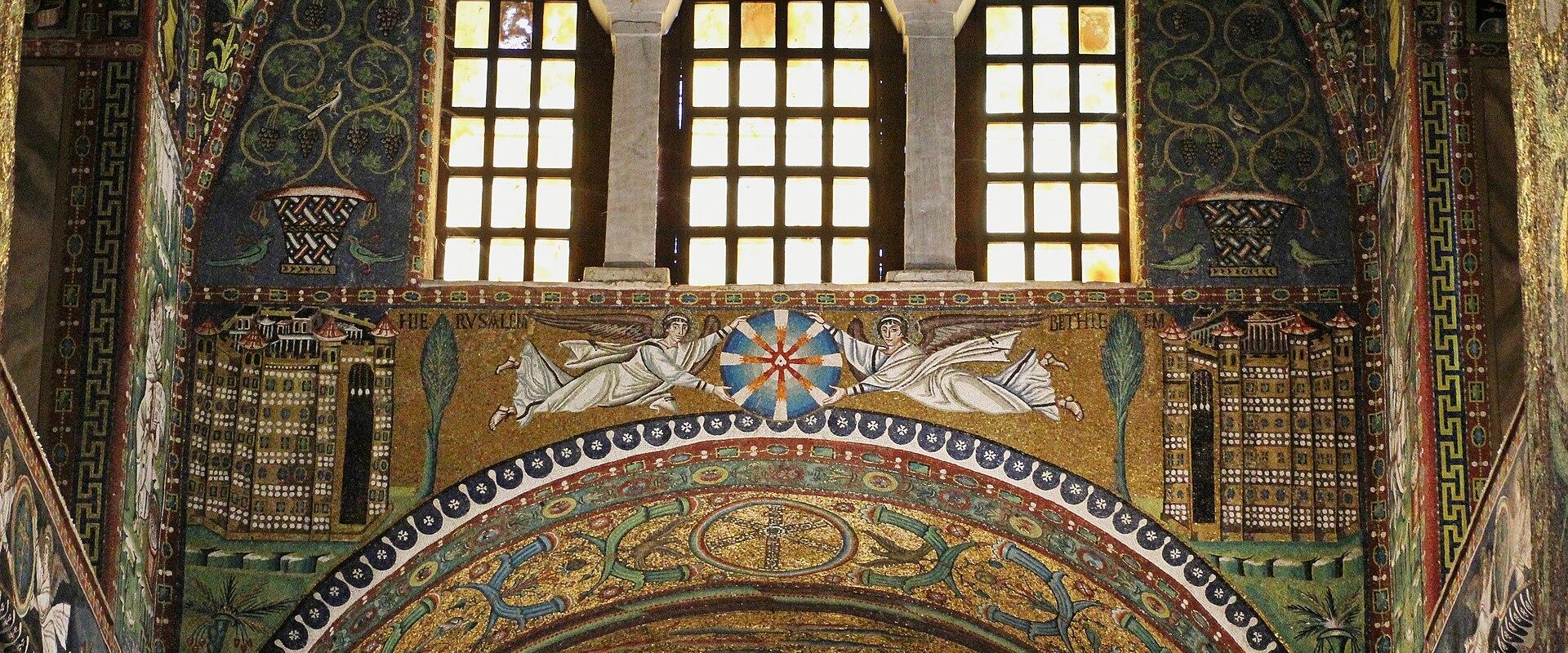
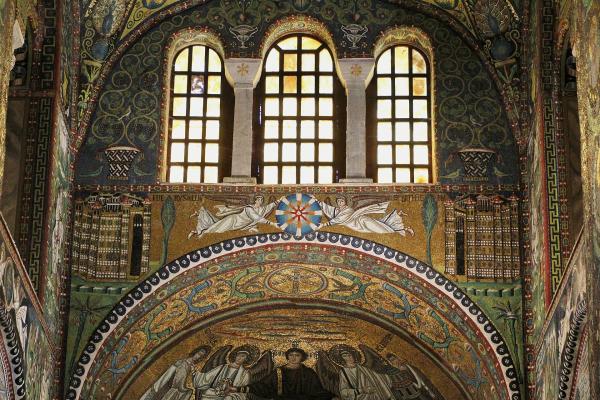
Ravenna is renowned for its exceptional collection of early Christian and Byzantine mosaics, a legacy recognised by its UNESCO World Heritage status. The mosaics belong to a group of eight monuments, among them the Basilica di San Vitale, the Basilica of Sant'Apollinare Nuovo, the Neonian Baptistery and the Mausoleum of Galla Placidia, which were inscribed on the UNESCO World Heritage list in 1996. Ravenna is also a living centre of mosaic work, with a school and workshops where artists continue the craft.
The mosaics date mostly from the fifth and sixth centuries, when Ravenna was the capital of the Western Roman Empire, then of the Ostrogothic kingdom, and then the Byzantine foothold in Italy. The artists used small cubes of glass, stone and gold leaf, called tesserae, set at slight angles so that they catch the light, and the result is surfaces that shimmer. The monuments offer visitors an immersive experience of the art of Late Antiquity, with intricate tile work that has survived for more than a millennium. Different buildings show different moods. The Mausoleum of Galla Placidia has a deep blue starry dome, the Neonian Baptistery shows the baptism of Christ in a ring of apostles, San Vitale has the famous panels of the emperor Justinian and the empress Theodora in glittering robes, and Sant'Apollinare Nuovo has long processions of saints and martyrs along the nave walls.
Opening hours vary by site and by season, and they change from one year to the next, so check the current arrangements. In general, the summer schedule runs from spring to autumn, with longer hours, and the winter schedule is shorter, and all the sites are closed on Christmas Day and New Year’s Day. Access to the smallest monuments, the Mausoleum of Galla Placidia and the Neonian Baptistery, is strictly limited to a short stay of a few minutes in order to preserve the fragile mosaics, and visitors queue to enter in small groups.
Ticketing options typically include a combined ticket that covers several of the monuments, which is the most economical way to see them. For anyone interested in mosaics, it is worth planning a full day, with a break for lunch, and allowing time for the Museo Nazionale and the Tomb of Dante, which are close by.
The sites are all within walking distance of each other in the flat old town, so Ravenna is easy to explore on foot or by bicycle. Visit in the morning to see the light entering through the windows, and avoid the middle of the day in summer. Visitors who want to try their own hand can take a short course in mosaic making at a local workshop. A guide helps in understanding the iconography.
Categories
More photos coming soon
Nearby Attractions
Other places to visit in Ravenna
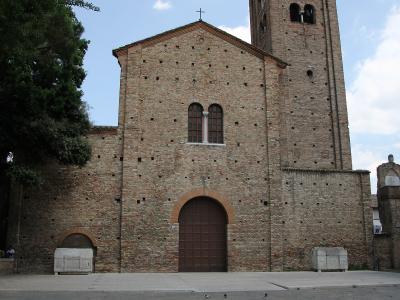
Basilica di San Francesco
5th-century basilica linked to Dante's burial
Architectural Monuments · Cultural Tours
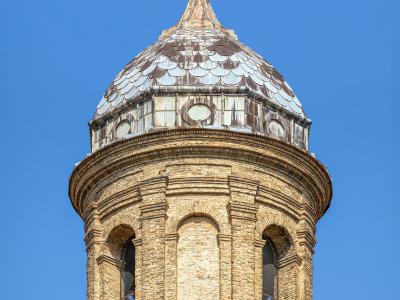
Basilica di San Vitale
UNESCO site with Byzantine mosaics
Architectural Monuments · Cultural Tours
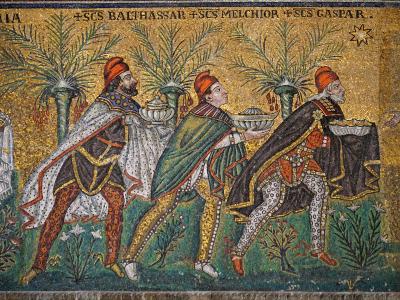
Basilica di Sant'Apollinare Nuovo
Theodoric’s basilica with 5th-century mosaics
History & Heritage · Museums & Culture
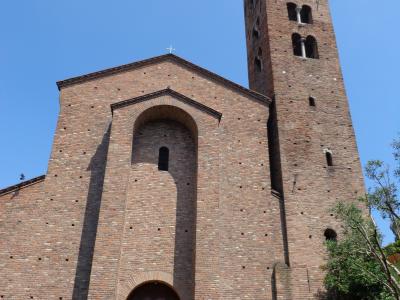
Basilica of San Giovanni Evangelista
Early Christian basilica near Ravenna's railway station
Free Historic Churches
Questions people ask
Quick Facts
Best Time to Visit
Visit between April and June or September and October for mild temperatures and fewer crowds.