Ferrara
UNESCO Renaissance city with intact medieval walls and canals
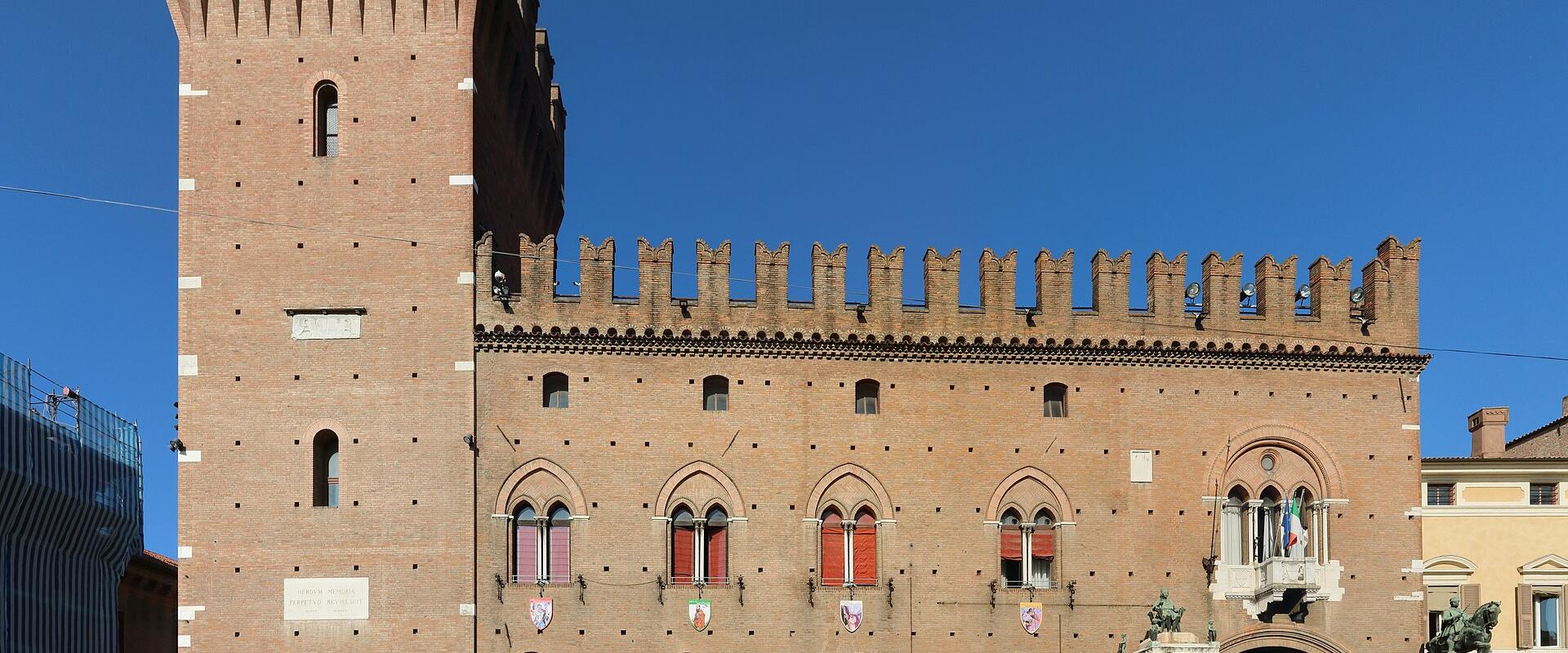
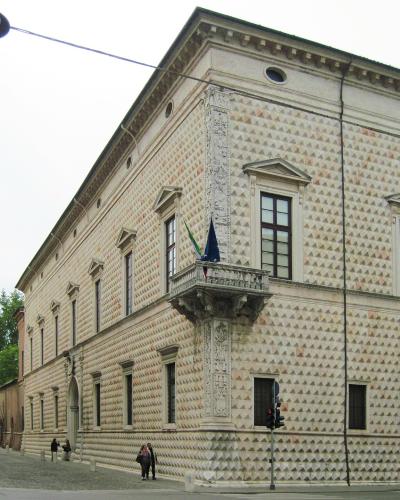
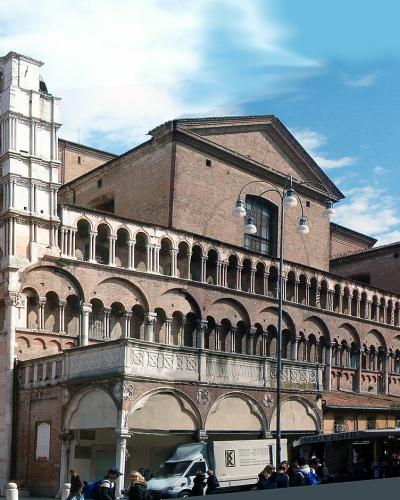
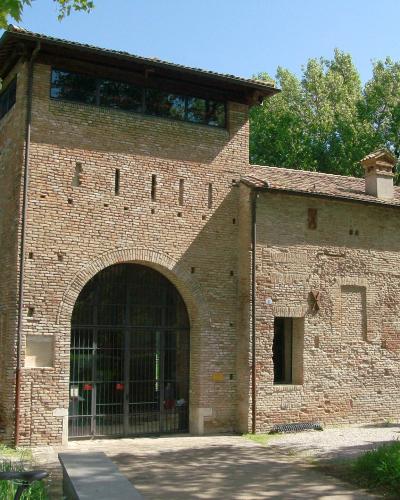
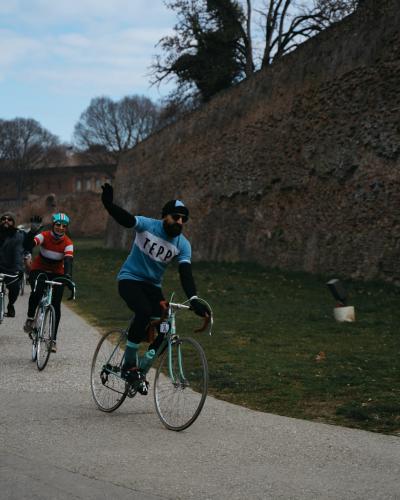
Ferrara, the capital of the province in Emilia-Romagna, stands as a testament to the power and artistic vision of the Este family, who ruled the city for over four centuries. The city's history is deeply intertwined with the Renaissance, a period during which it became one of the most important cultural centers in Europe. In 1492, Duke Ercole I d'Este commissioned the expansion of the city beyond its medieval walls, creating the 'Addizione Erculea,' a perfect example of Renaissance urban planning with straight streets and uniform facades. This expansion, along with the existing medieval core, forms the heart of the UNESCO World Heritage Site. The Este family were great patrons of the arts, attracting poets, musicians, and architects to their court. The city's architecture reflects this legacy, with notable examples including the Palazzo dei Diamanti, so named for its facade of 8,500 diamond-shaped marble blocks. This palace now houses the National Museum of Ferrara, featuring works by Titian and Correggio. Another key landmark is the Castello Estense, a massive brick fortress built in the 14th century, which served as the residence of the Este dukes and later as a prison. The Ferrara Cathedral, with its Romanesque and Gothic elements, and the Church of San Giorgio, with its distinctive bell tower, are also significant religious sites. Ferrara is famously known as the city of Ariosto, the poet who wrote 'Orlando Furioso' while in the service of the Este family. The city celebrates this literary heritage through various cultural events and the Ariostea Museum. Activities in Ferrara include cycling, as the city is flat and has an extensive network of bike paths, making it one of the most bike-friendly cities in Italy. Visitors can explore the historic center on foot, visit the numerous museums, or take boat tours along the city's canals. The nearby Po Delta Regional Park offers opportunities for birdwatching and nature walks, showcasing the region's unique wetland ecosystem. Getting to Ferrara is convenient via train, with direct connections from Bologna (approximately 40 minutes) and Milan. The city is also accessible by car via the A13 motorway. Once in Ferrara, the historic center is largely pedestrianized, and the best way to explore is by walking or renting a bicycle. The best time to visit Ferrara is from April to June and September to October. During these months, the weather is mild and pleasant, ideal for cycling and outdoor exploration. Summer can be hot and humid, while winter is cold and foggy, typical of the Po Valley. Spring offers blooming gardens, and autumn provides harvest festivals and clear skies for viewing the surrounding countryside.
Best Time to Visit
Visit in April to June or September to October for mild weather and fewer crowds.
Did you know?
Interesting, verified facts about Ferrara
Ferrara Preserves Medieval Heritage
HistoryThe city is characterized by its well-preserved medieval walls, which enclose a grid-like historic center, and its network of canals.
Source: Idrovia Ferrarese - WikipediaFerrara Has Another Verifiable Detail
HistoryUnlike many Italian cities, Ferrara retains a tranquil atmosphere, with wide boulevards and elegant palaces reflecting its past grandeur.
Source: Ferrara - WikipediaPlan Your Visit to Ferrara
Essential travel tips and information for your trip to Ferrara.
Suggested Itineraries
One Day in Ferrara
1 dayRenaissance Ferrara: Este heritage and medieval architecture
View ItineraryFerrara Cultural Heritage
2 daysUNESCO Renaissance heritage and Este history in 2 days
View ItineraryExtended Ferrara Experience
3 days3-day Ferrara itinerary covering Este Castle, palazzi, and local cu...
View ItineraryTravel Tips
Currency
EUR • Cards widely accepted
Language
Italian • English in tourist areas
WiFi
Free WiFi in cafes and hotels
Explore Ferrara by Interest
Discover attractions and experiences in Ferrara organized by your interests and travel preferences.
All attractions in Ferrara
Sorted by our recommendation score
Quick Facts
Book your stay
Frequently Asked Questions
More destinations in Emilia-Romagna
Explore other amazing places in the Emilia-Romagna region