







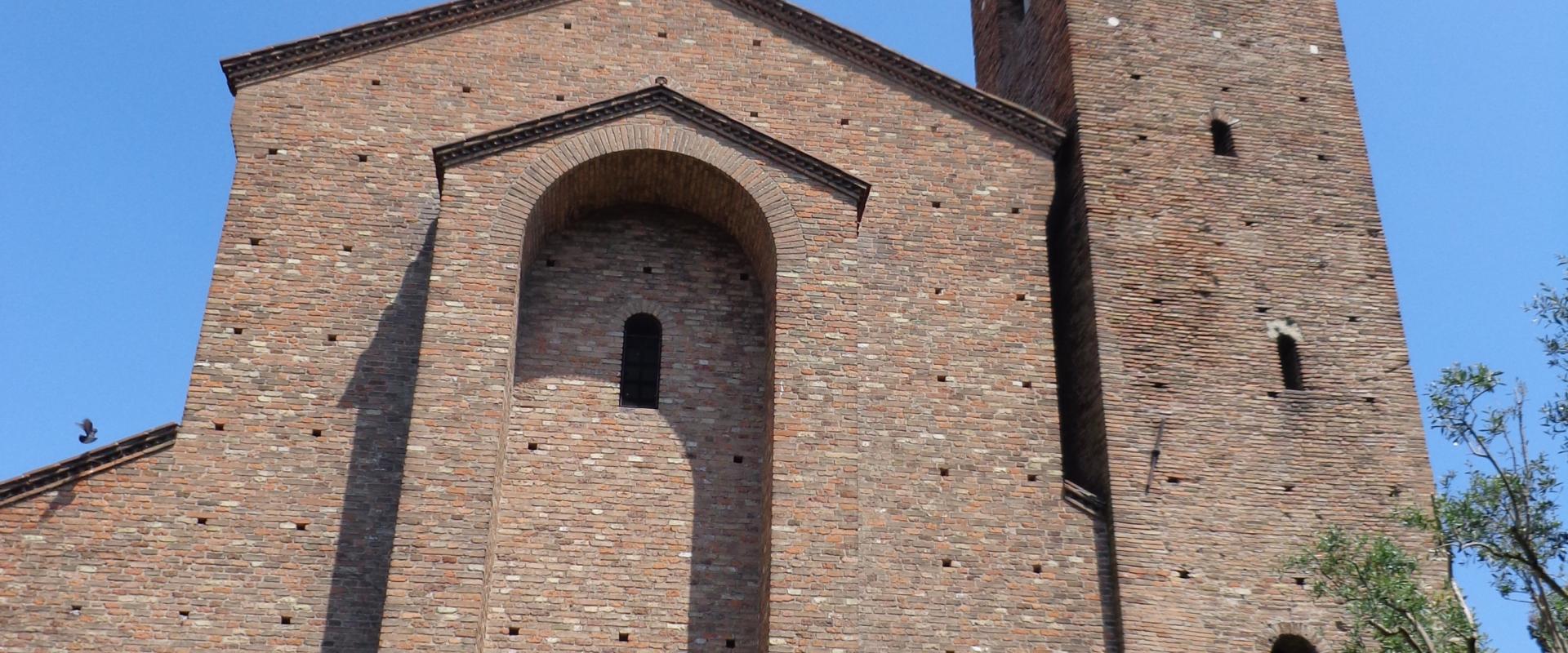
Basilica of San Giovanni Evangelista
Early Christian basilica near Ravenna's railway station
- Admission
- Free entry
- Where
- Ravenna, Emilia-Romagna
- Directions
- Directions
The Basilica of San Giovanni Evangelista is a serene historical landmark in Ravenna, Italy. Located near Viale Farini, a few steps from the railway station, this early Christian basilica offers a quiet retreat from the bustling city center. The structure is historically significant, having been commissioned by Empress Galla Placidia in the fifth century as a thank-offering for surviving a storm. This historical context adds depth to the visit, connecting modern visitors to the region's ancient past.
Visitors are drawn to the building's striking architectural details, particularly the unique white marble portal of Gothic art located at the entrance. This feature contrasts beautifully with the building's original exposed brick construction, reflecting the layered history of the site. The interior is equally compelling, featuring ancient columns and medieval artifacts that highlight the evolution of the space over centuries. Despite the passage of time and the impact of historical events, including World War II, the basilica retains its essential character and structural integrity.
The site is easily accessible, located just a short walk from the train station, making it a convenient stop when exploring Ravenna's rich cultural heritage. While the interior is open to visitors, the atmosphere remains reverent, offering a peaceful contrast to the more famous nearby attractions like the Basilica of San Vitale. The combination of historical significance, architectural beauty, and tranquil ambiance makes this basilica a meaningful destination for those interested in the religious and artistic history of the region.
The basilica is one of the oldest churches in Ravenna, built in the early fifth century when the city was the capital of the Western Roman Empire. It was badly damaged by bombing in 1944 and rebuilt in the following years. Inside, fragments of a thirteenth-century floor mosaic are displayed on the walls, with scenes that include episodes from the Fourth Crusade, unusual images that show fantastic animals and knights in battle.
Ravenna has eight early Christian and Byzantine monuments listed together as a UNESCO World Heritage site, among them the Basilica of San Vitale, the Mausoleum of Galla Placidia and Sant'Apollinare Nuovo, all famous for their mosaics. A combined ticket covers several of them. The poet Dante Alighieri died in Ravenna in 1321 and his tomb stands in the city centre, a short walk from this church.
Categories
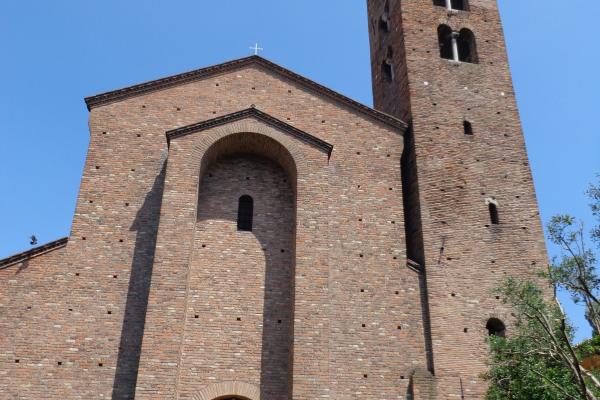
More photos coming soon
Admission Fees
- Admission
- Free entry
Hours and prices change, especially out of season. Check with the venue before you go.
Nearby Attractions
Other places to visit in Ravenna
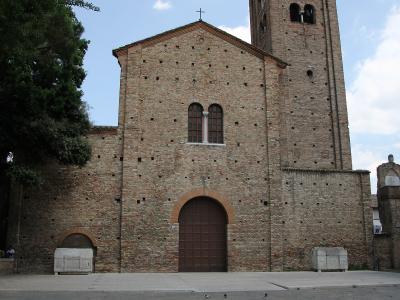
Basilica di San Francesco
5th-century basilica linked to Dante's burial
Architectural Monuments · Cultural Tours
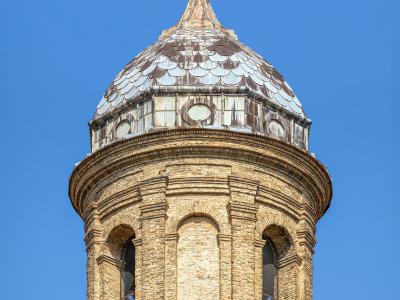
Basilica di San Vitale
UNESCO site with Byzantine mosaics
Architectural Monuments · Cultural Tours
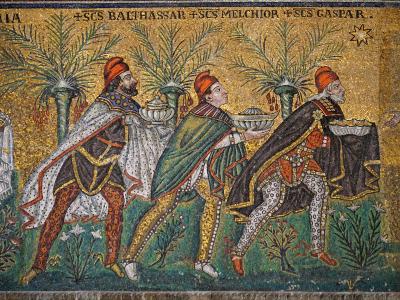
Basilica di Sant'Apollinare Nuovo
Theodoric’s basilica with 5th-century mosaics
History & Heritage · Museums & Culture
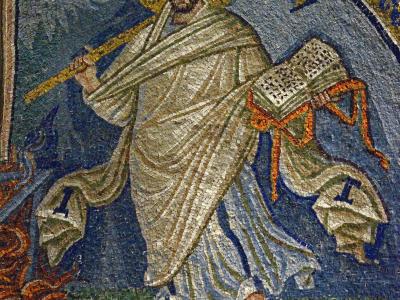
Mausoleum of Galla Placidia
5th-century UNESCO mausoleum with magical golden mosaics
Architectural Monuments · Historic Cemeteries
Questions people ask
Quick Facts
Best Time to Visit
Visit between April and June or September and October for mild temperatures and fewer crowds.